© 2025 - Day Studio Inc
© 2025 - Day Studio Inc

Project
-
Splitgate 2 is a free-to-play first-person shooter developed and published by 1047 Games. Expanding on its signature portal-based combat, the sequel evolves into a broader competitive ecosystem with new modes, layered progression, and scalable live content.
Introduction
-
On Splitgate 2, I built and scaled the UI discipline at 1047 Games, establishing the foundation of the UI systems hands-on before expanding the team. I defined the game’s interface architecture across HUD and front-end frameworks, shaping its hierarchy, readability model, and visual direction for high-speed competitive play. As the team grew, I set motion targets, structured production pipelines, and led cross-functional collaboration to ensure cohesive Unreal implementation.
Client
1047 Games Inc.
Roles
UI/UX Director
Year
2025
Project
-
Splitgate 2 is a free-to-play first-person shooter developed and published by 1047 Games. Expanding on its signature portal-based combat, the sequel evolves into a broader competitive ecosystem with new modes, layered progression, and scalable live content.
Introduction
-
On Splitgate 2, I built and scaled the UI discipline at 1047 Games, establishing the foundation of the UI systems hands-on before expanding the team. I defined the game’s interface architecture across HUD and front-end frameworks, shaping its hierarchy, readability model, and visual direction for high-speed competitive play. As the team grew, I set motion targets, structured production pipelines, and led cross-functional collaboration to ensure cohesive Unreal implementation.
Client
1047 Games Inc.
Roles
UI/UX Director
Year
2025
Style Guide
-
/01
The User Interface Art Direction
-
Built for speed. Tuned for clarity.
A focused visual system designed to prioritize readability, hierarchy, and production scalability.
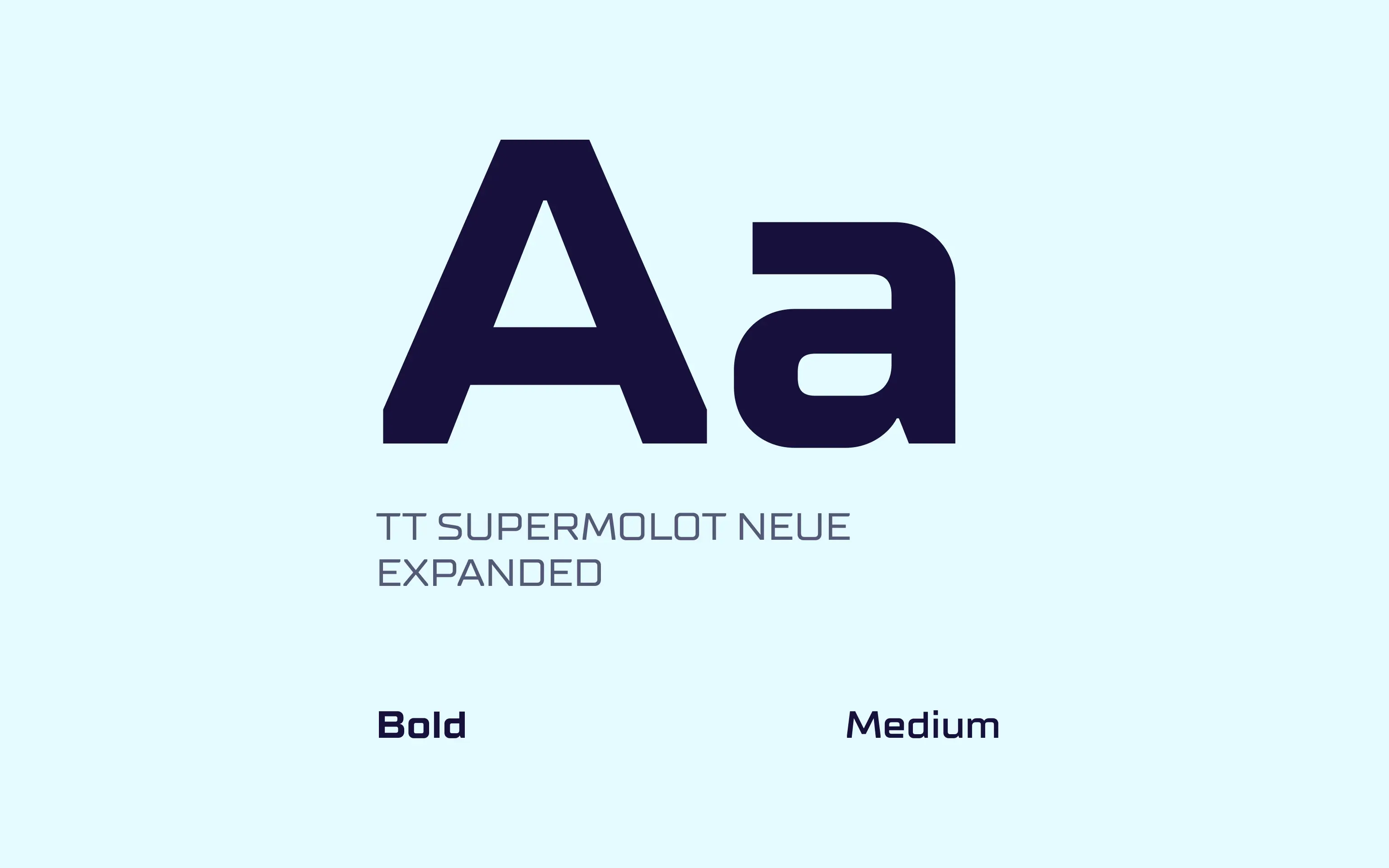
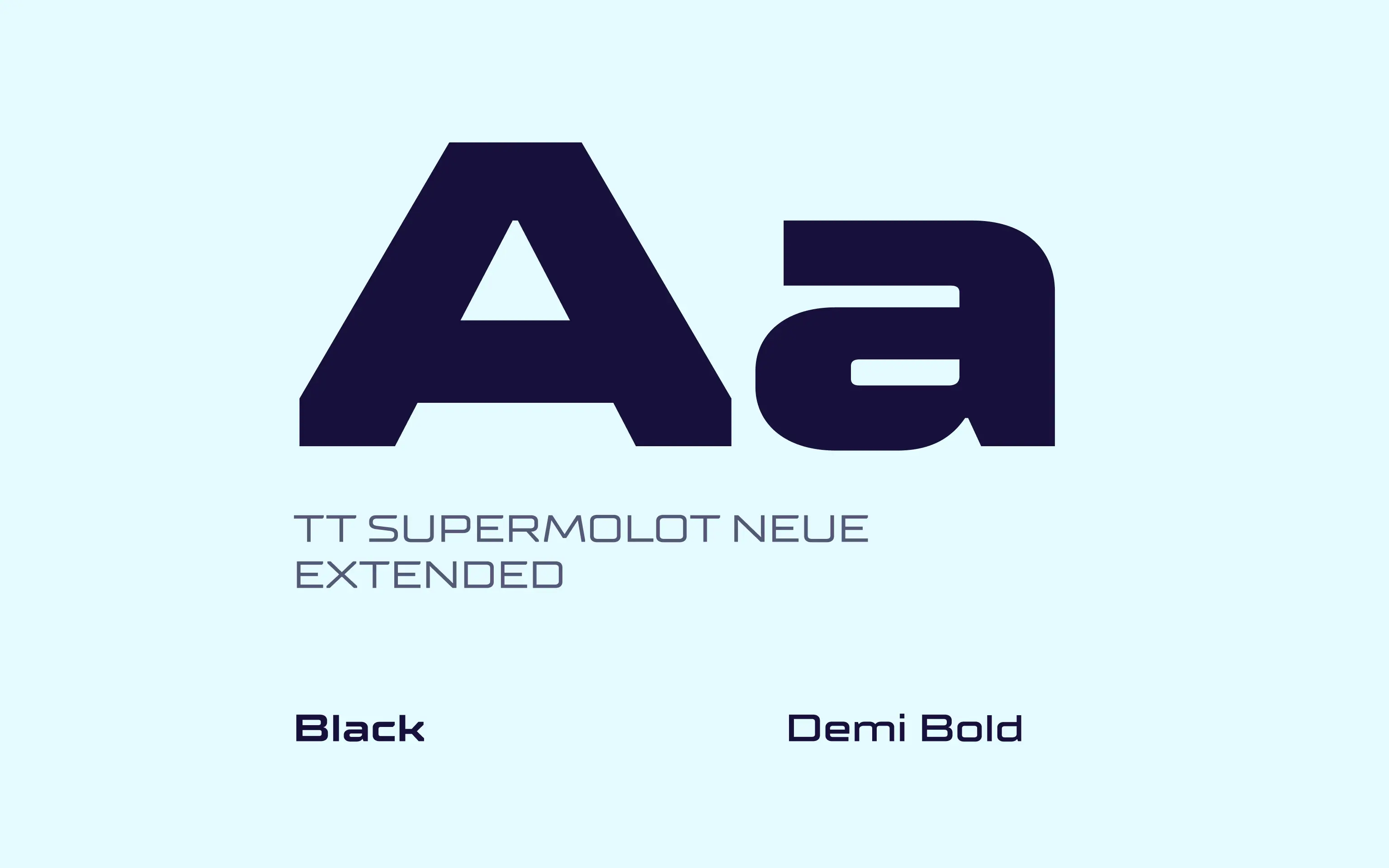
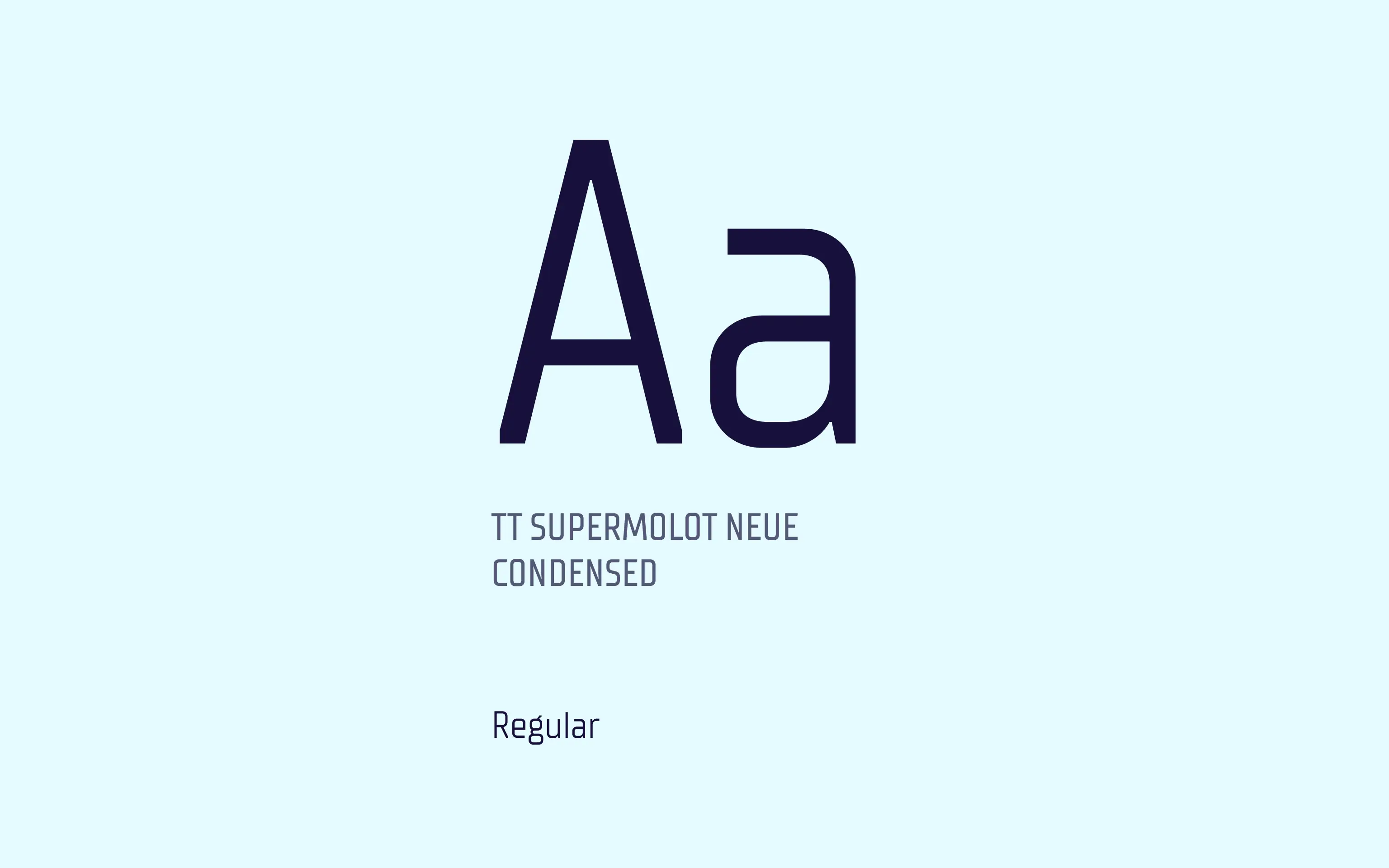
Typography
-
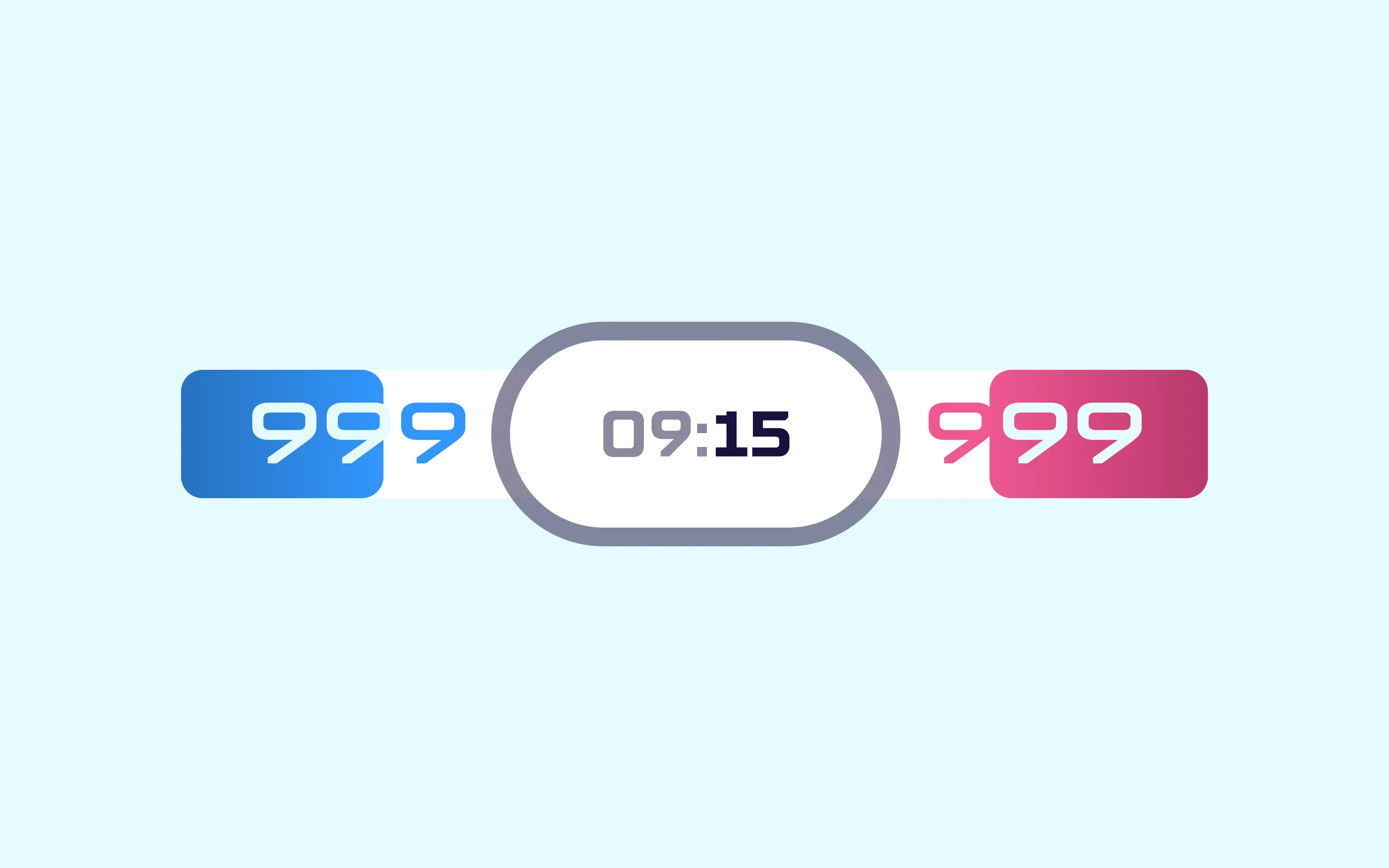
Typography was structured to maintain competitive readability at speed, ensuring information hierarchy remained intact during high-pressure gameplay.
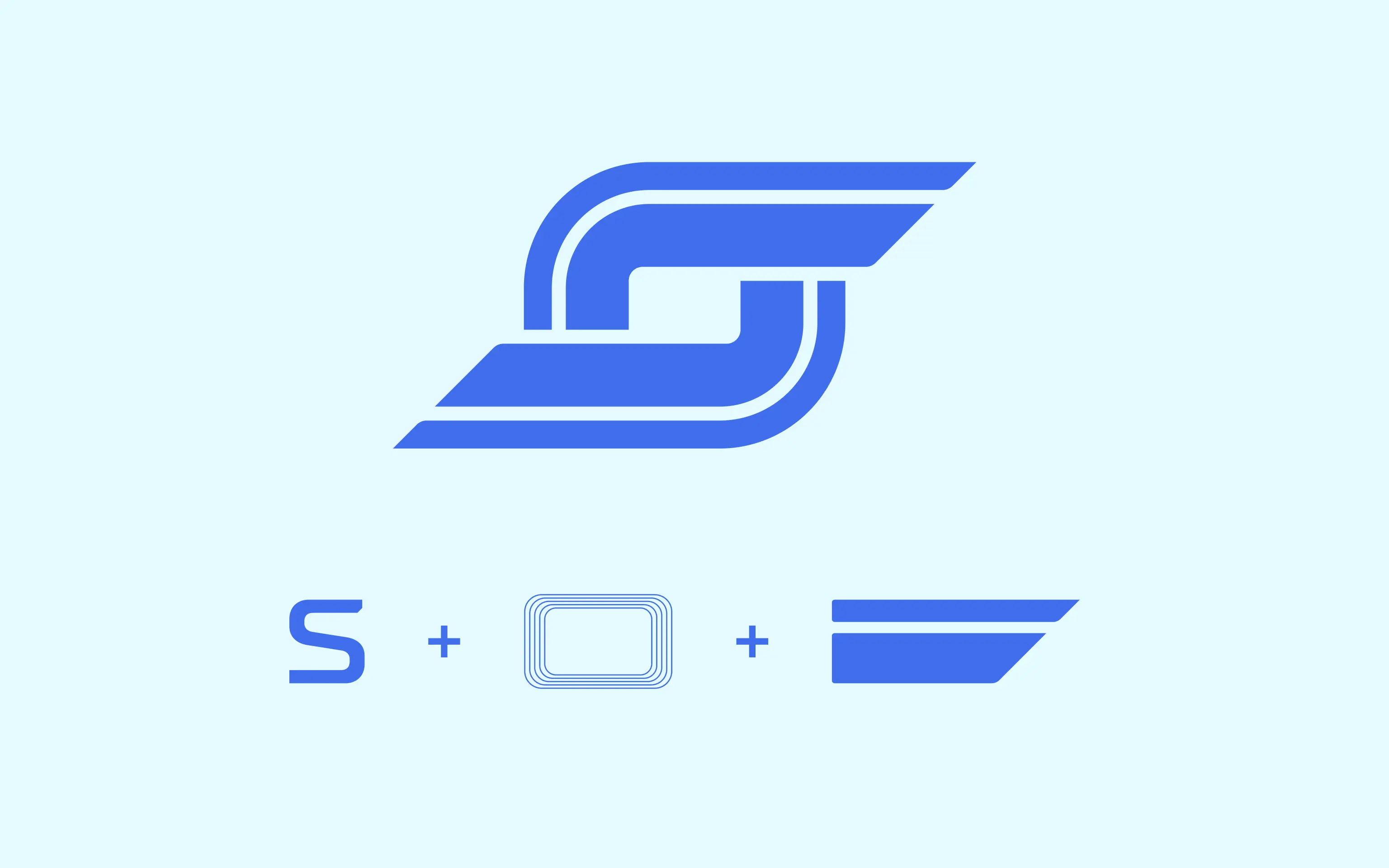
Branding Elements
-
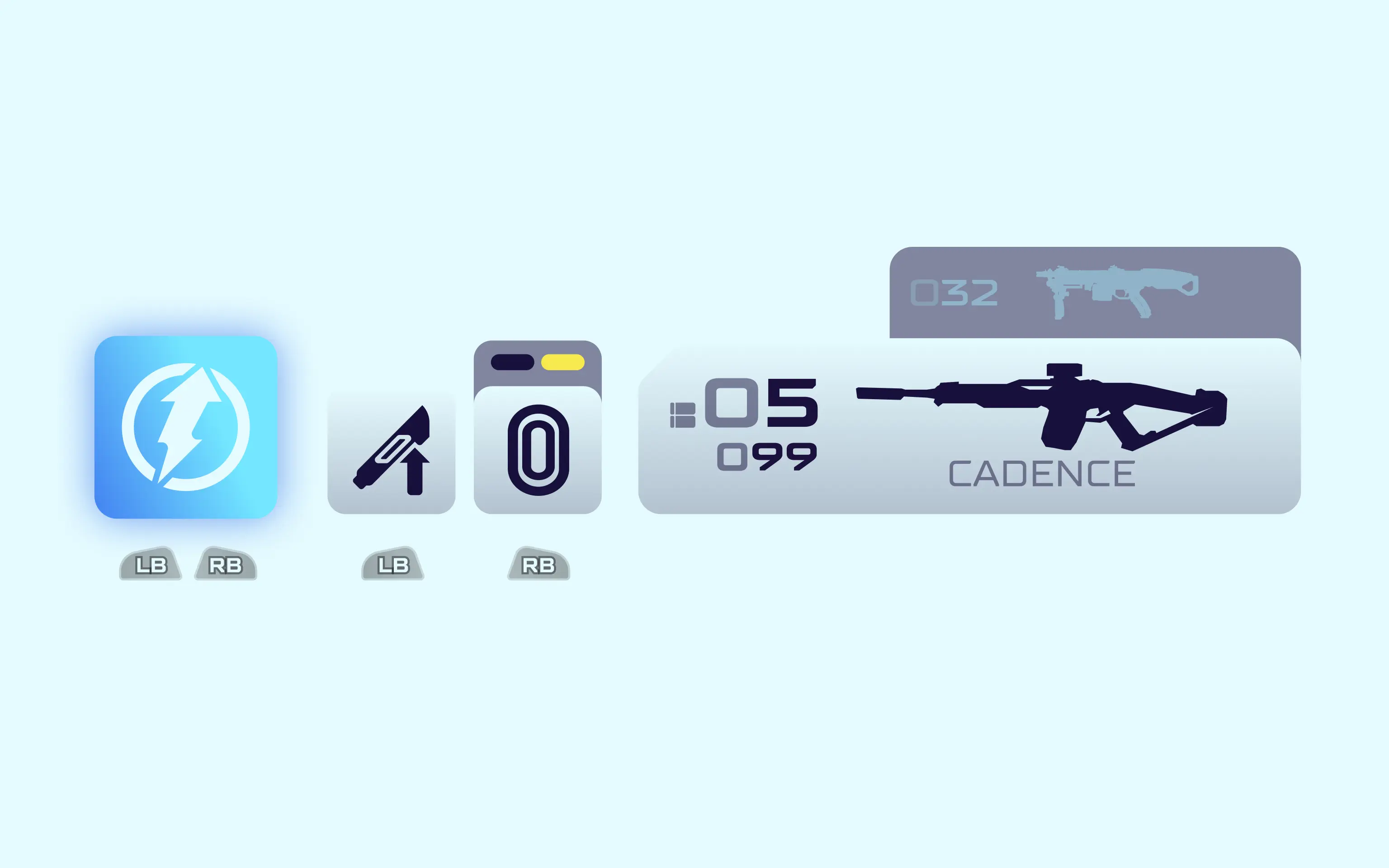
The UI is built around a small set of core shapes. The S-Curve and partner forms establish a consistent visual rhythm across every screen.
Building Blocks
-
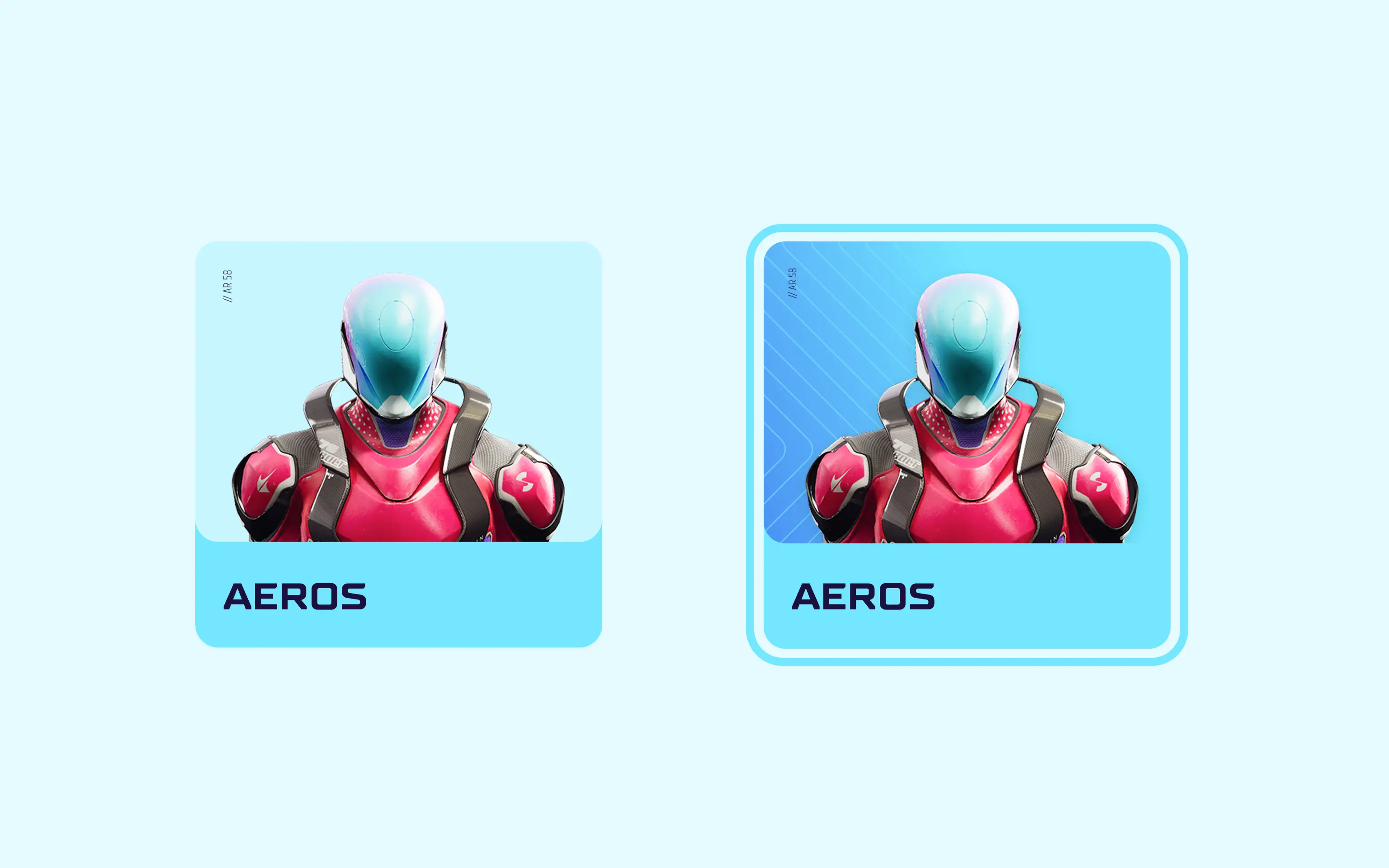
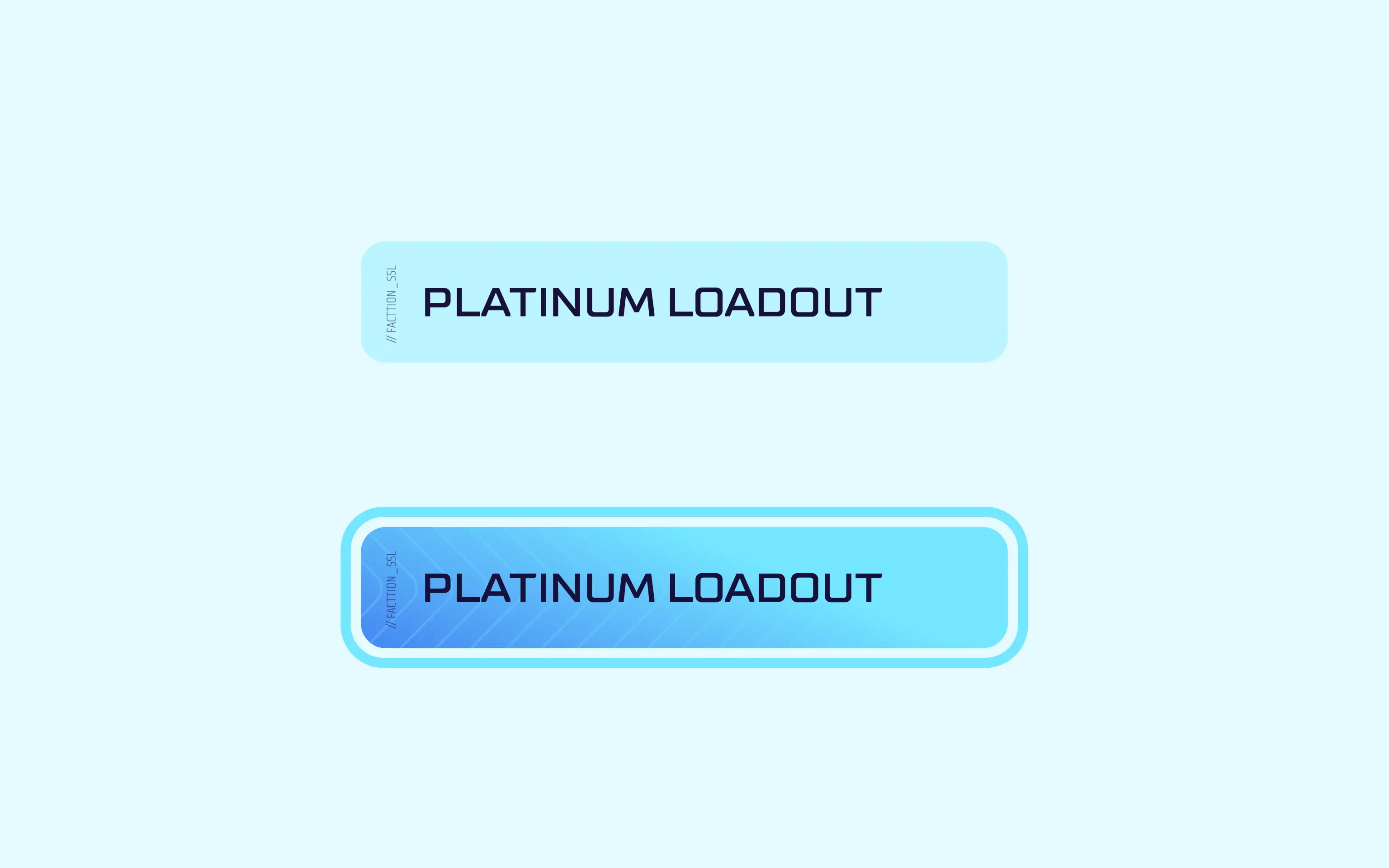
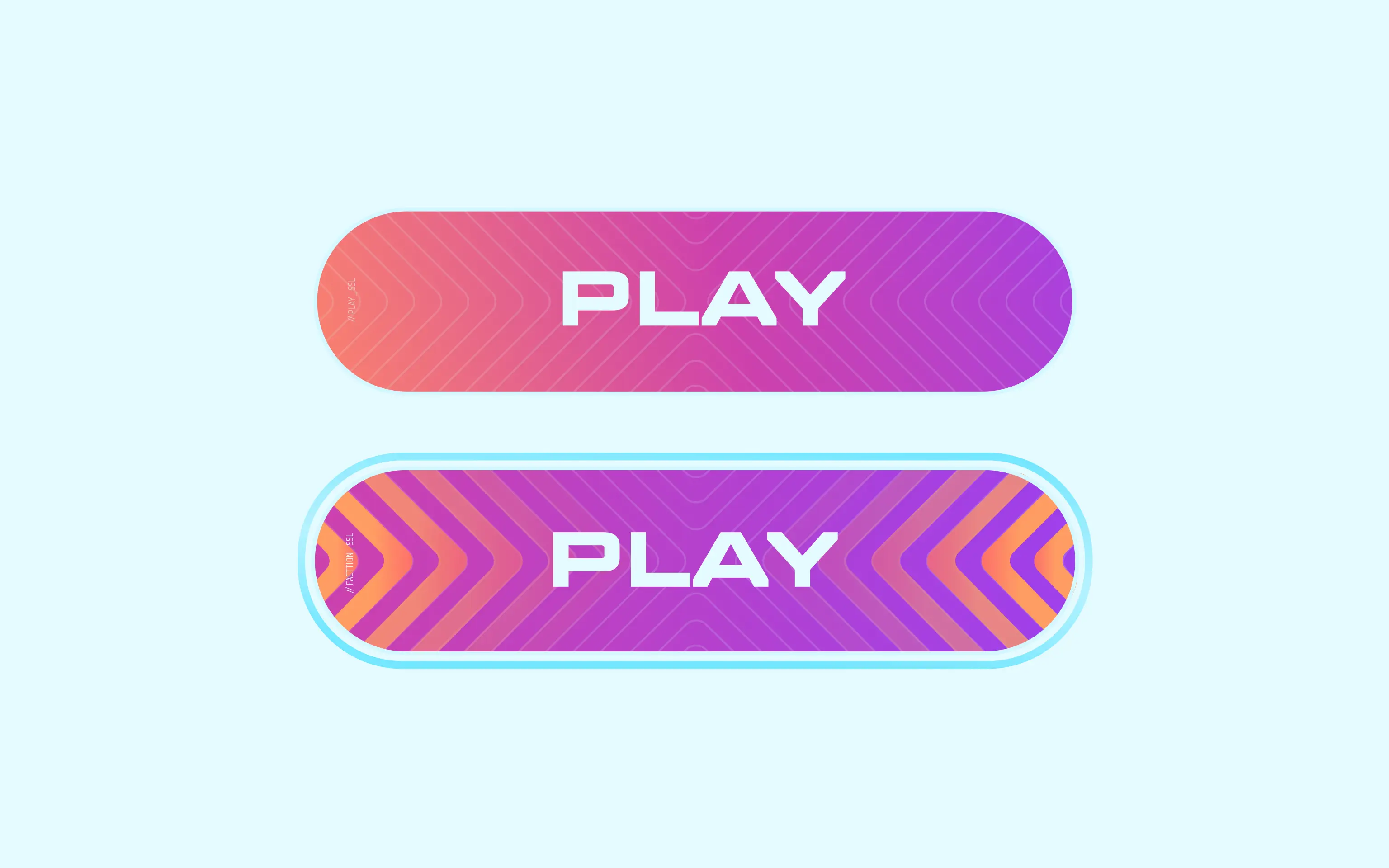
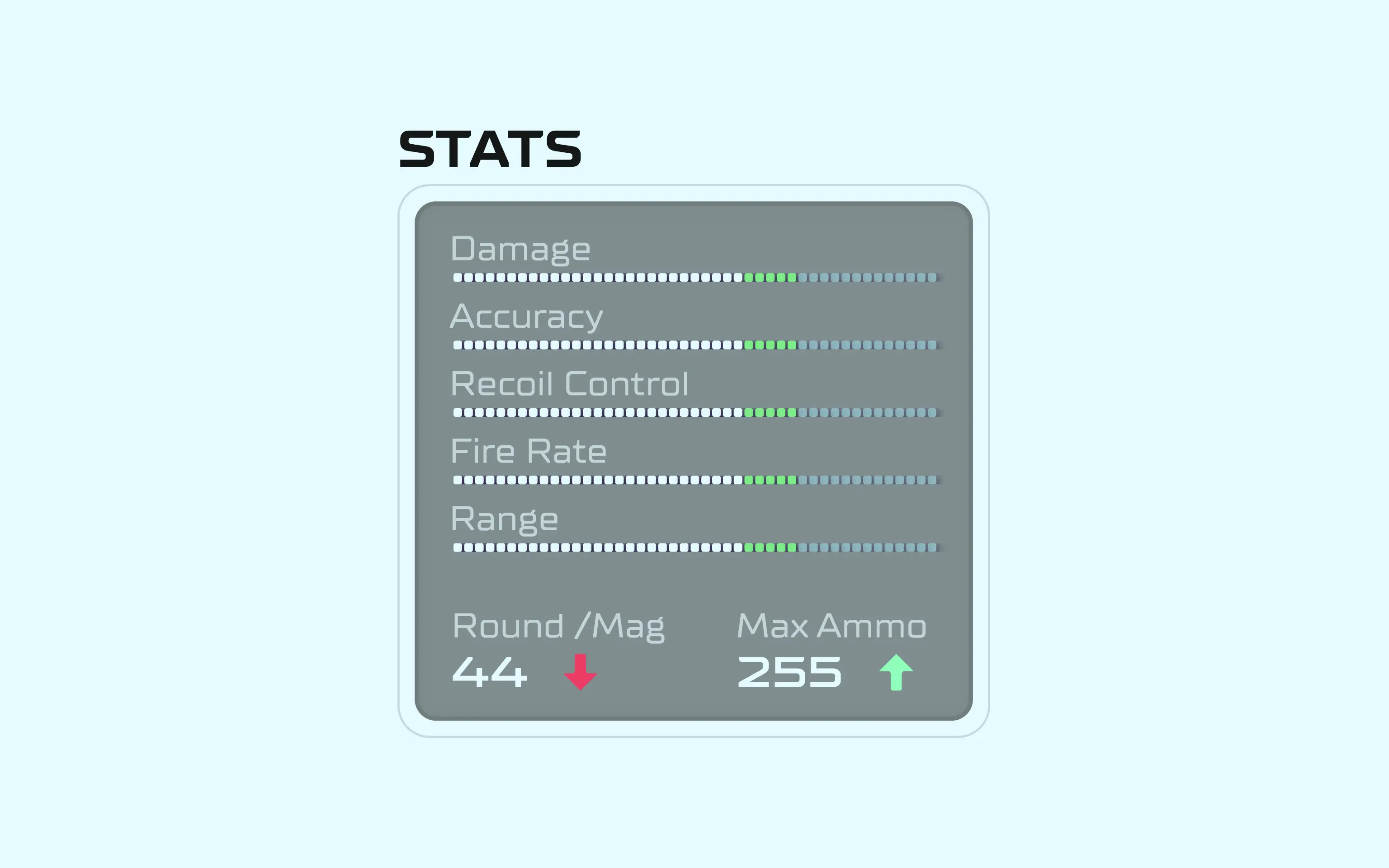
Brand-derived primitives applied to real content, forming scalable UI components and HUD systems.
Building Blocks + Content
-
Structured foundations used across layouts, ensuring consistency between brand language and gameplay information.
Style Guide
-
/01
The User Interface Art Direction
-
Built for speed. Tuned for clarity.
A focused visual system designed to prioritize readability, hierarchy, and production scalability.
Typography
-
Typography was structured to maintain competitive readability at speed, ensuring information hierarchy remained intact during high-pressure gameplay.
Branding Elements
-
The UI is built around a small set of core shapes. The S-Curve and partner forms establish a consistent visual rhythm across every screen.
Building Blocks
-
Brand-derived primitives applied to real content, forming scalable UI components and HUD systems.
Building Blocks + Content
-
Structured foundations used across layouts, ensuring consistency between brand language and gameplay information.
Style Guide
-
/01
The User Interface Art Direction
-
Built for speed. Tuned for clarity.
A focused visual system designed to prioritize readability, hierarchy, and production scalability.
Typography
-
Typography was structured to maintain competitive readability at speed, ensuring information hierarchy remained intact during high-pressure gameplay.
Branding Elements
-
The UI is built around a small set of core shapes. The S-Curve and partner forms establish a consistent visual rhythm across every screen.
Building Blocks
-
Brand-derived primitives applied to real content, forming scalable UI components and HUD systems.
Building Blocks + Content
-
Structured foundations used across layouts, ensuring consistency between brand language and gameplay information.
(check CMS context / gallery slot)
Typography
Branding Elements



(check CMS context / gallery slot)



(check CMS context / gallery slot)
Building Blocks
Building Blocks + Content
(check CMS context / gallery slot)
(check CMS context / gallery slot)
All systems operating at scale, built for clarity, speed, and readability.
For Splitgate 2, we defined a focused visual framework balancing personality with production discipline.
Clear hierarchy, readable numerics, and a distinct visual voice designed to scale cleanly across modes and ship efficiently.
-
/01
The User Interface Art Direction
All systems operating at scale, built for clarity, speed, and readability.
For Splitgate 2, we defined a focused visual framework balancing personality with production discipline.
Clear hierarchy, readable numerics, and a distinct visual voice designed to scale cleanly across modes and ship efficiently.
-
/01
The User Interface Art Direction
Game Play
-
/02
Arena Shooter
-
Built for clarity at speed.
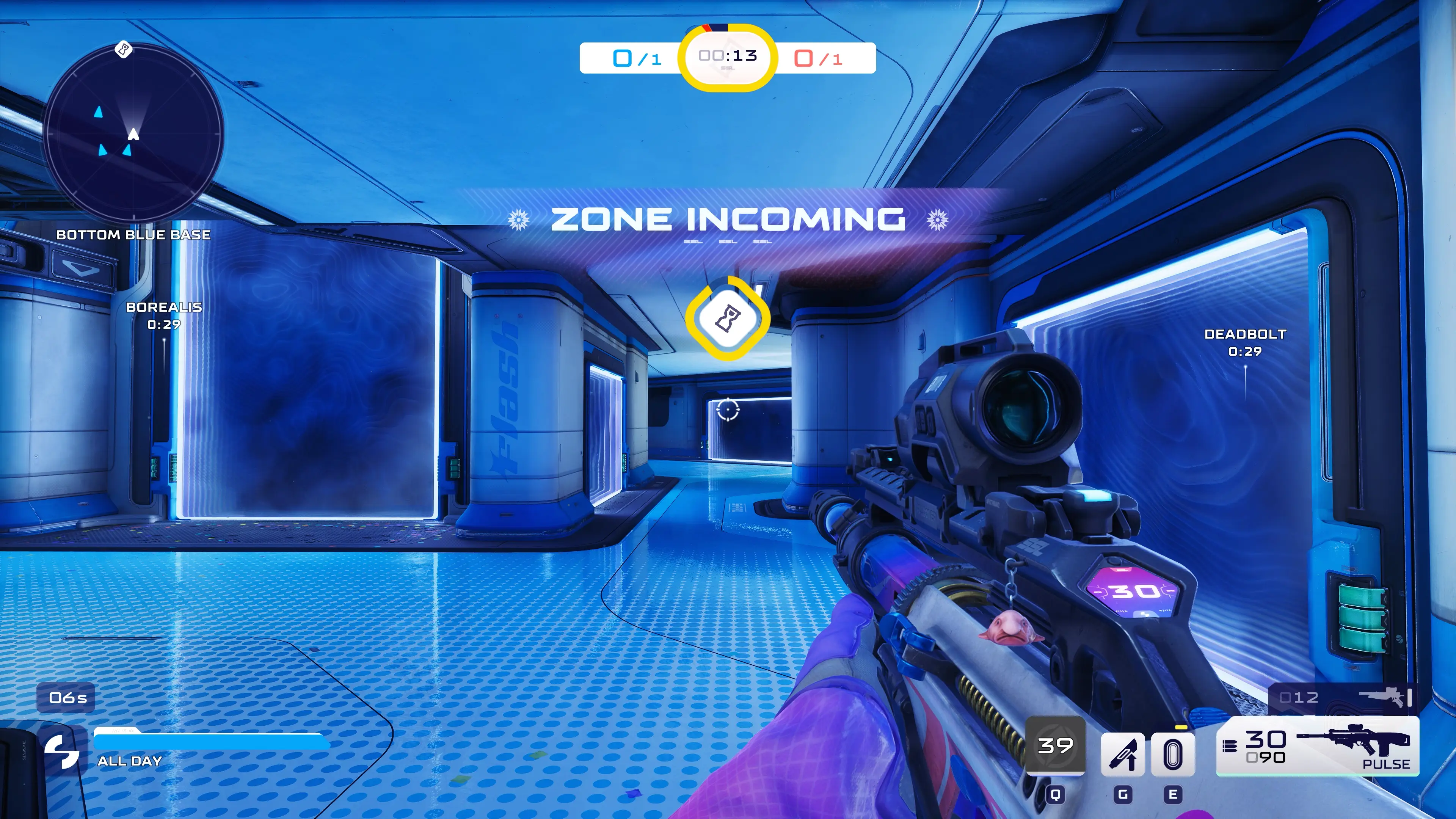
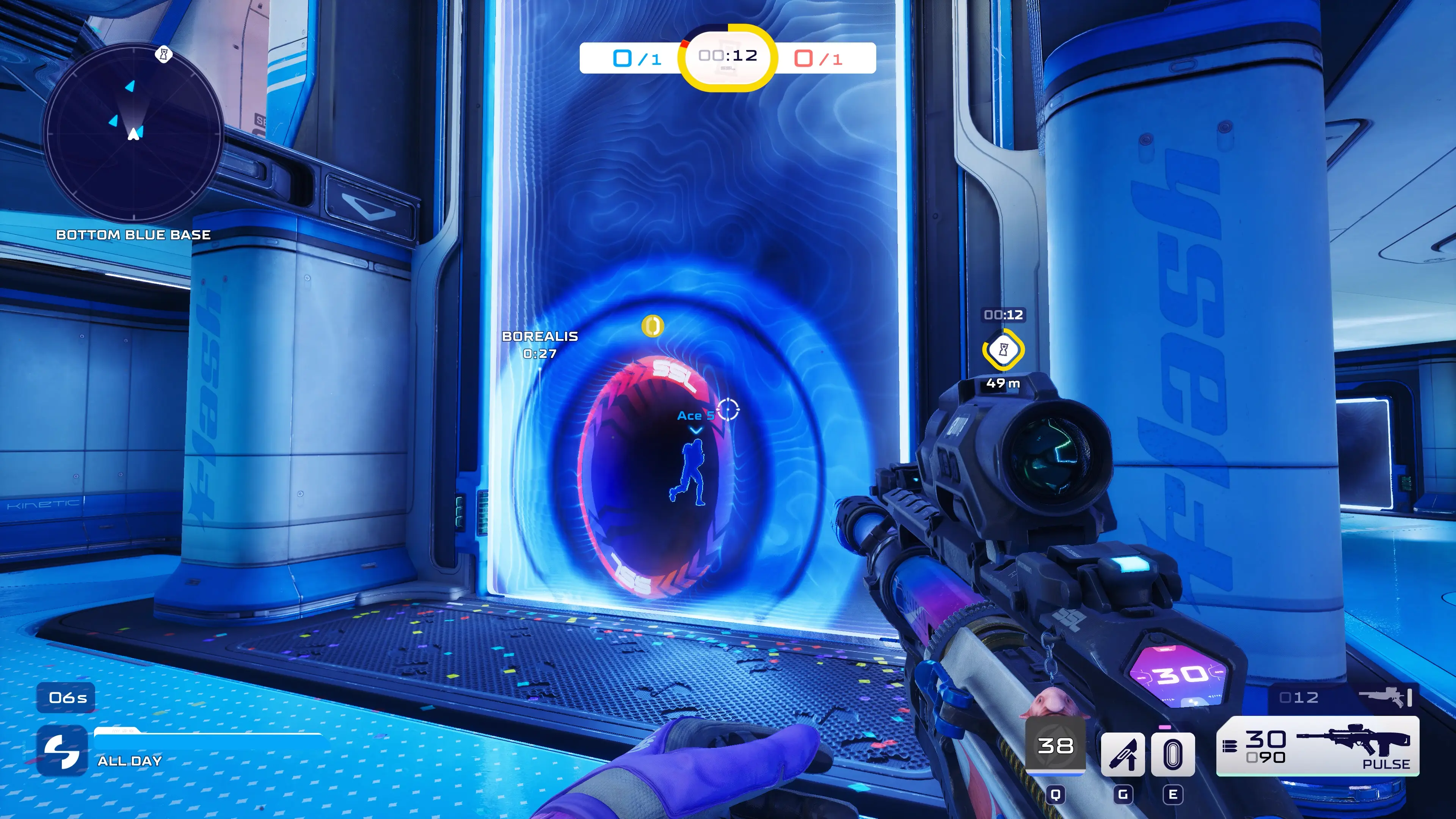
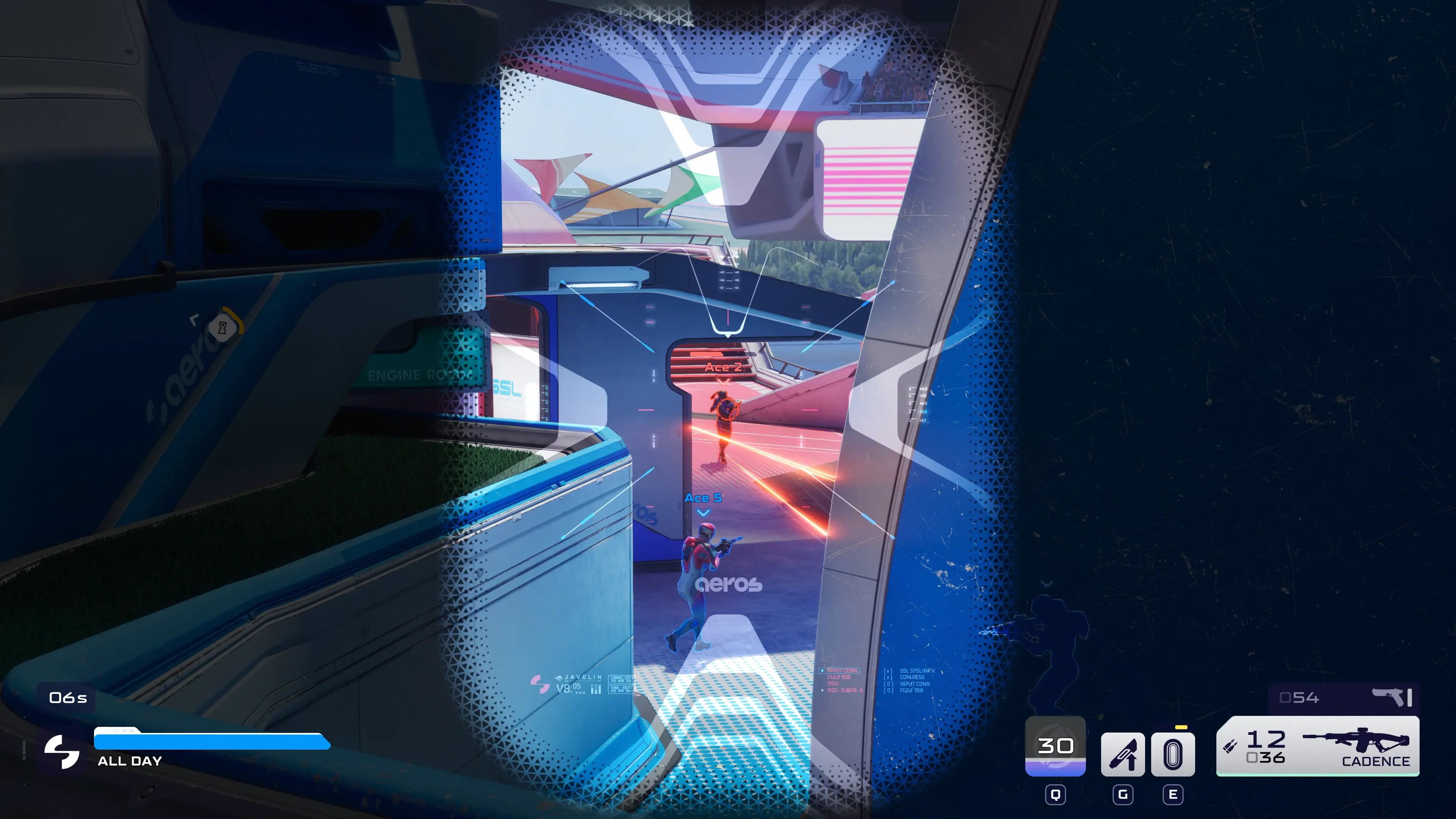
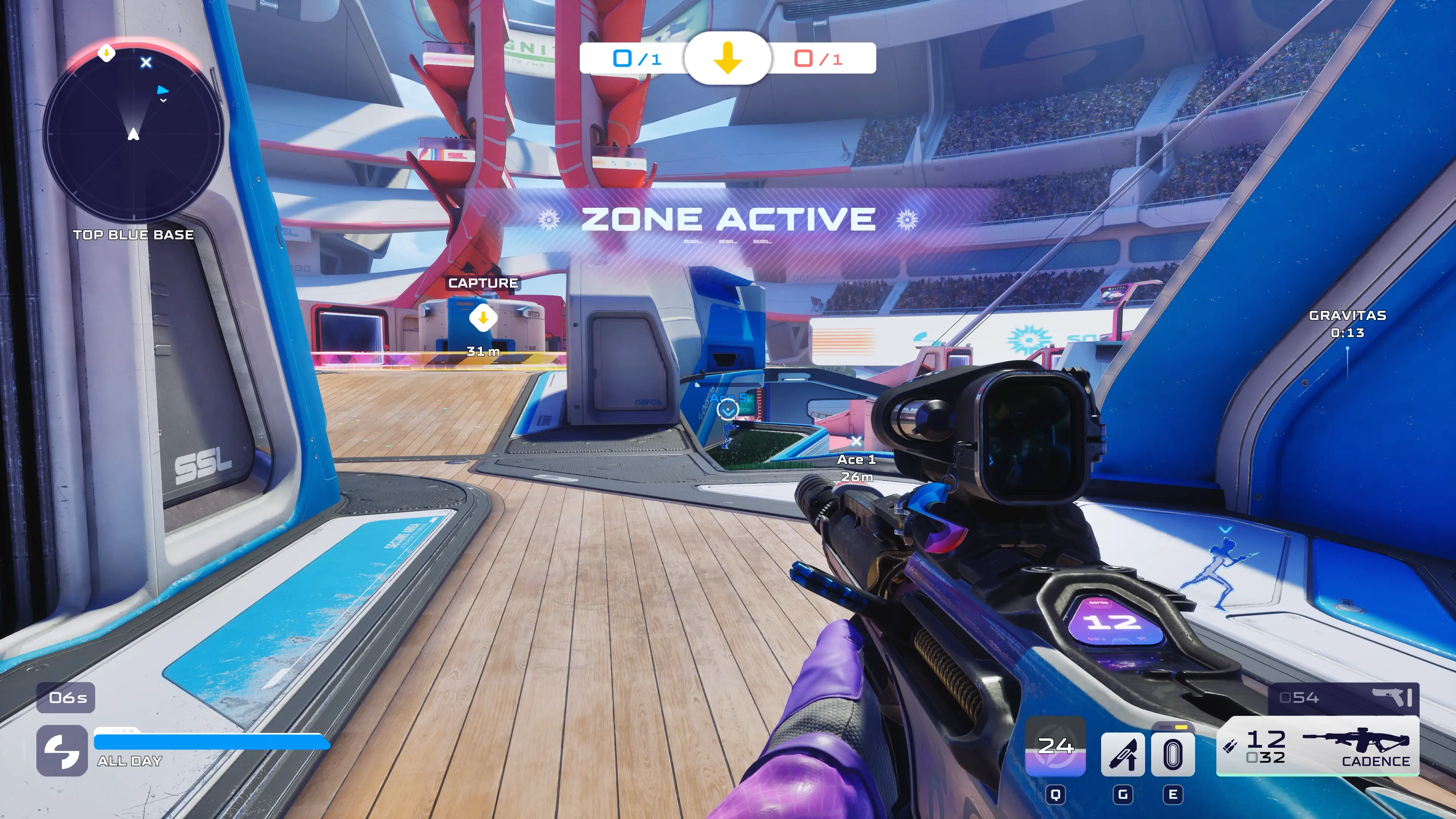
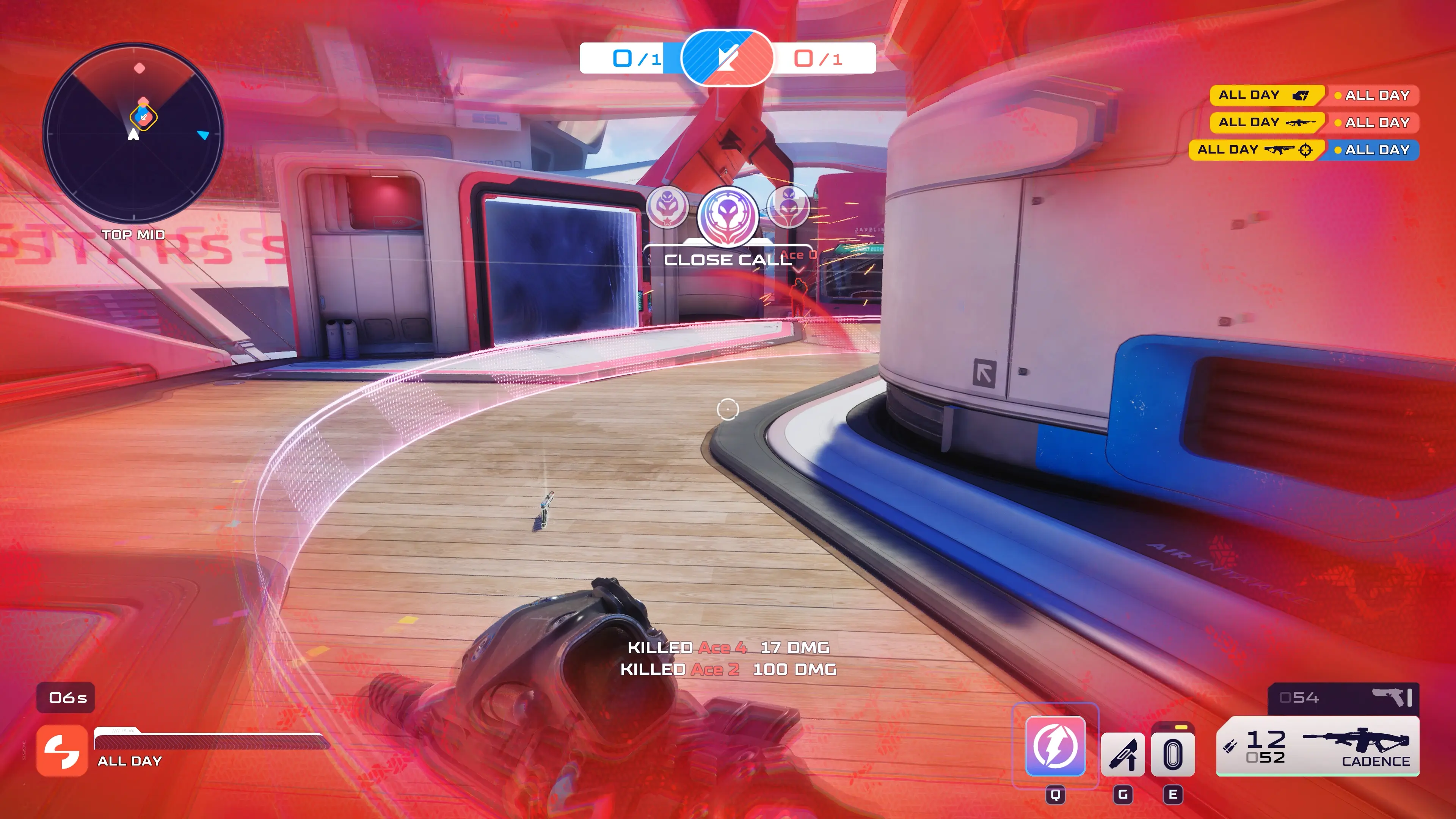
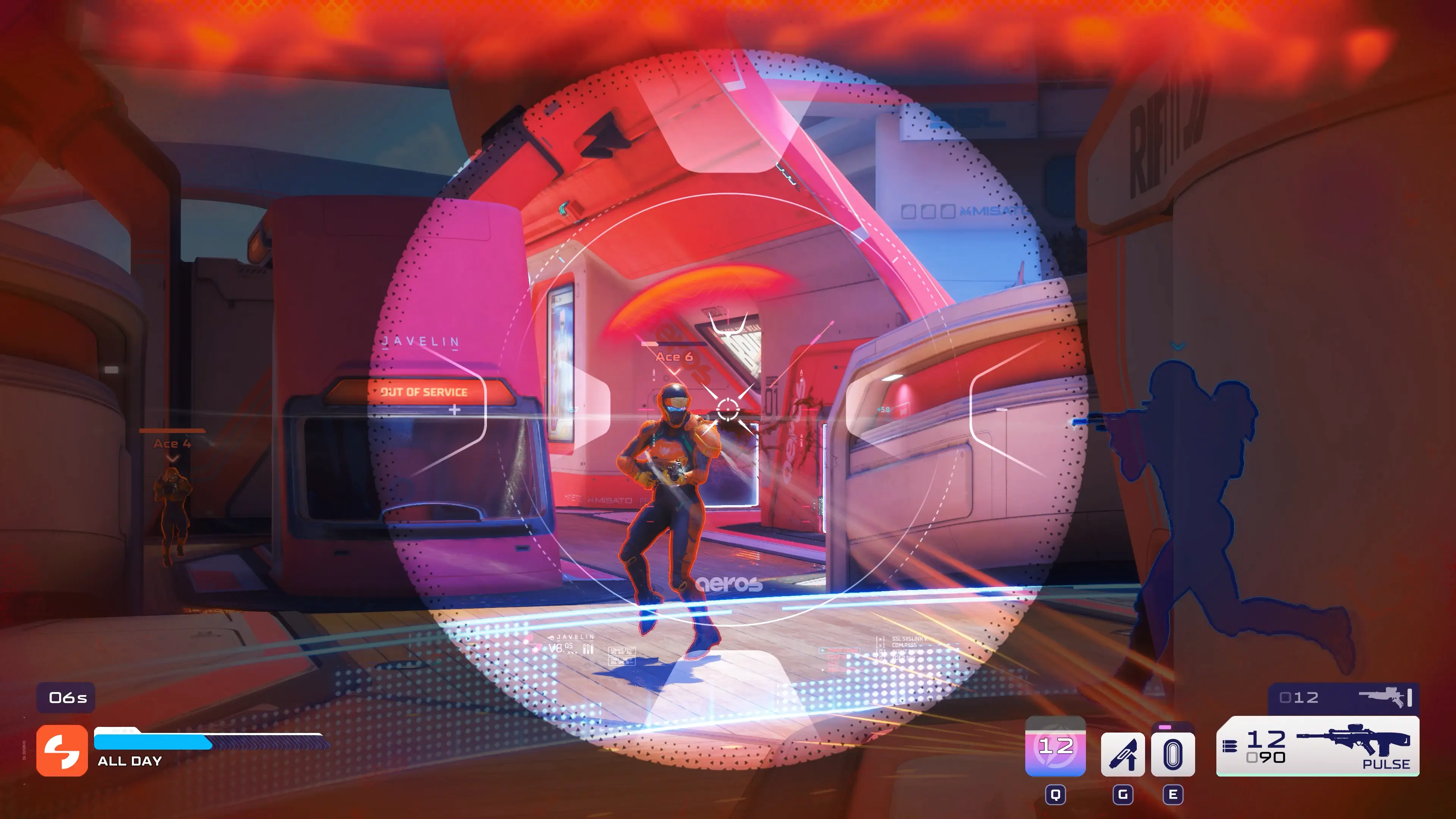
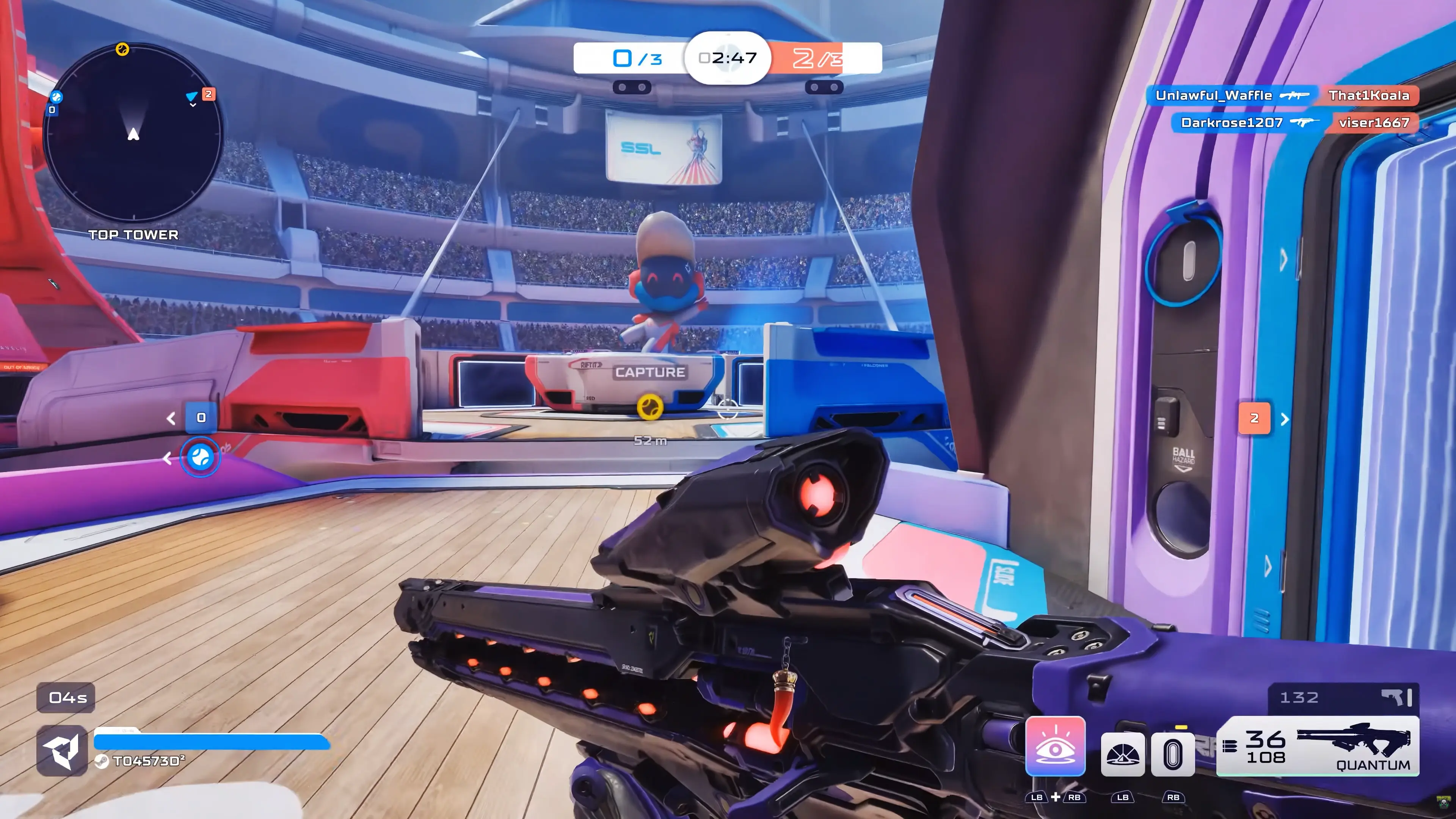
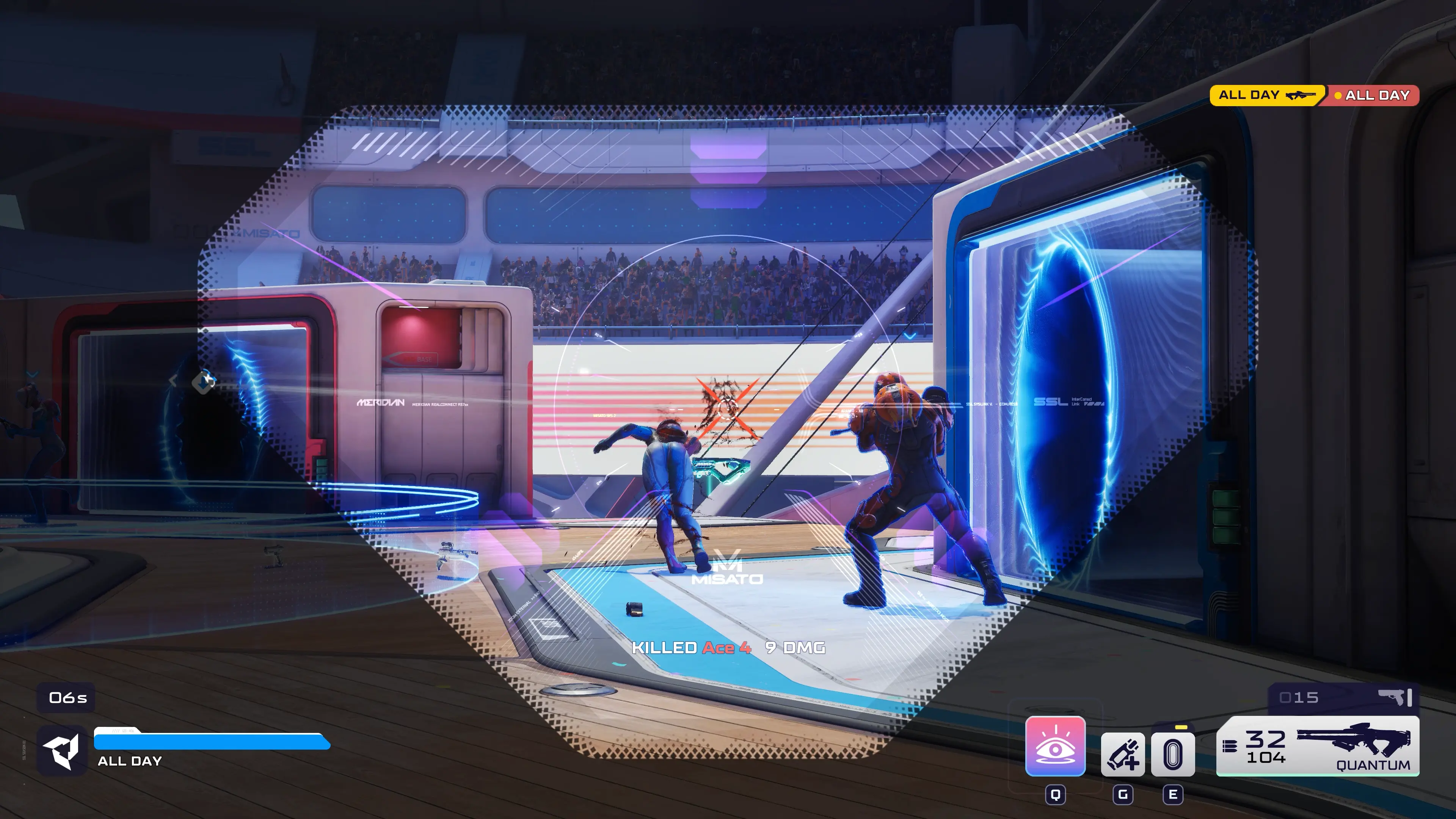
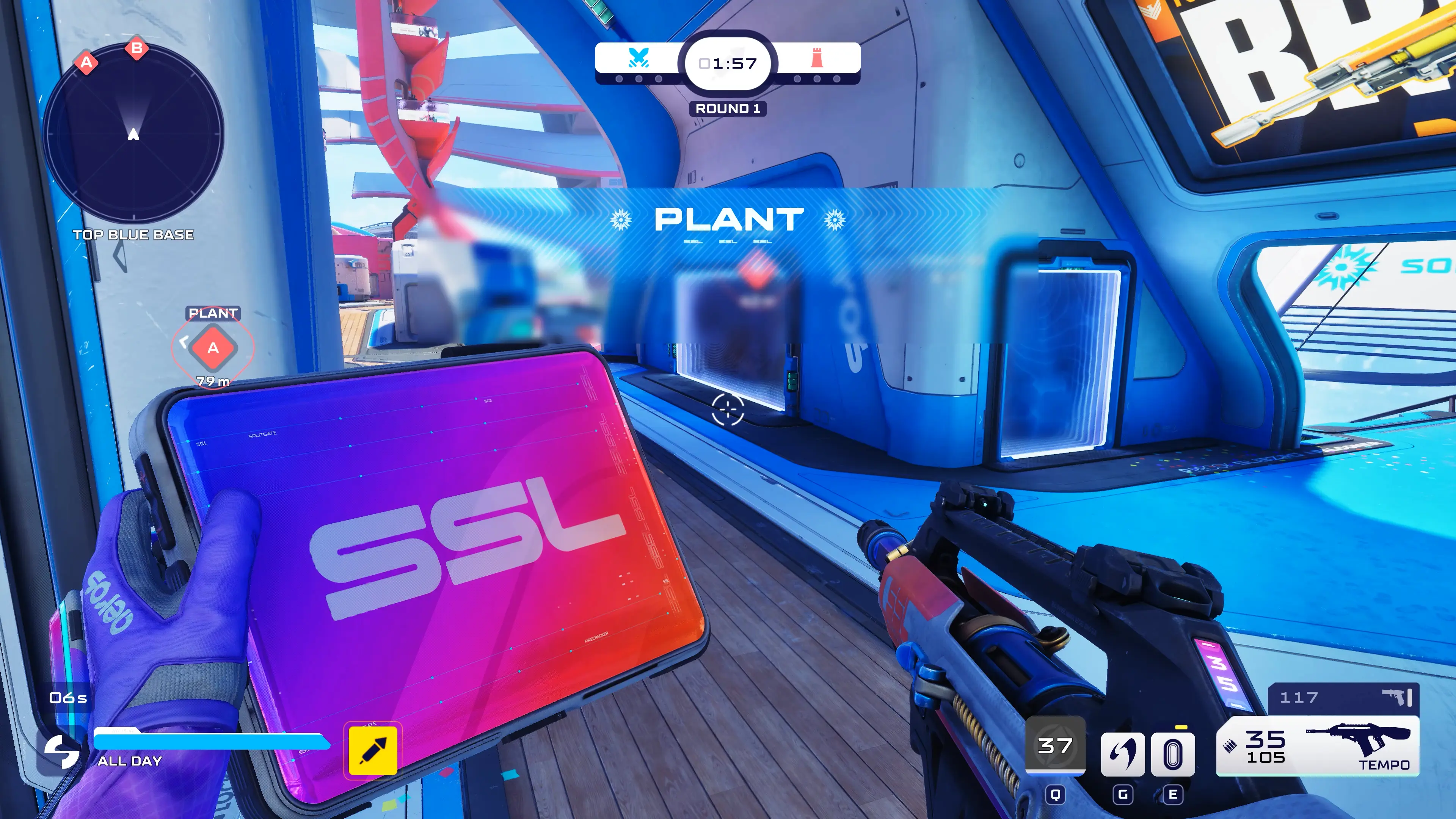
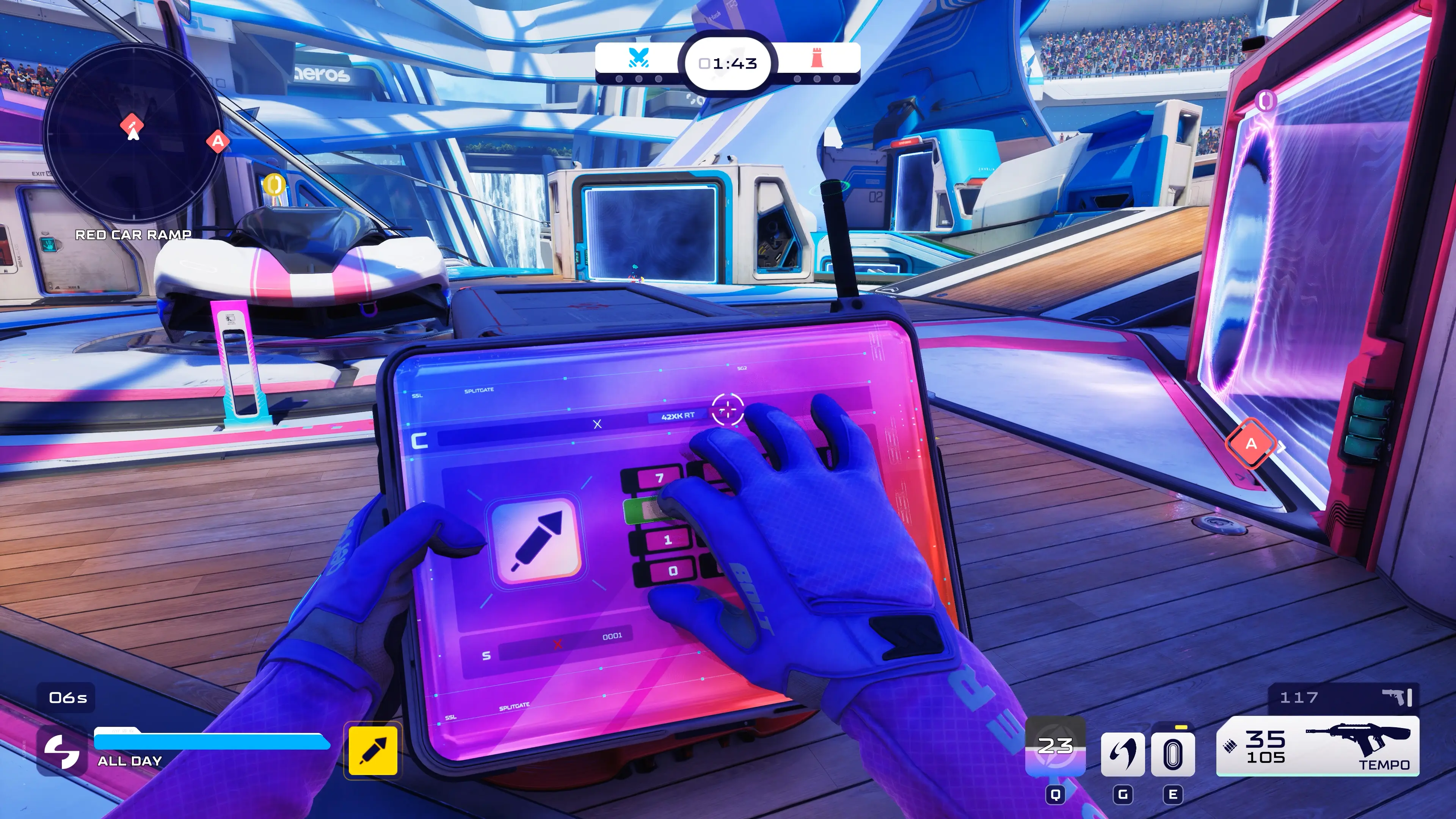
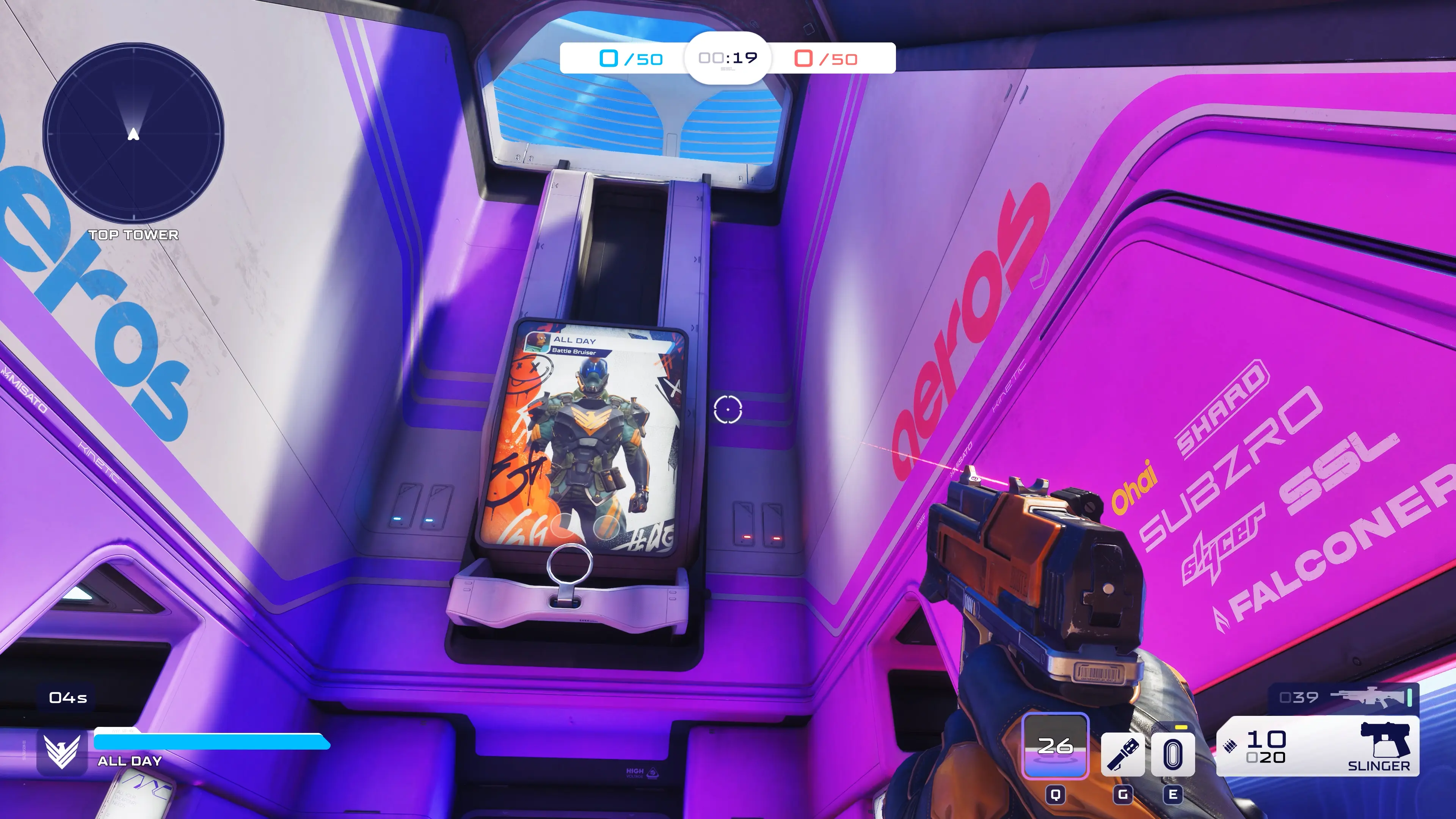
The gameplay interface was structured to remain readable under pressure, supporting rapid decision-making and constant movement without sacrificing hierarchy. The system prioritizes visibility. Strong hierarchy, bold typography, and deliberate spatial control ensure information remains legible in motion. Nothing decorative. Everything functional. Arena demanded minimal cognitive load, immediate readability, and spatial consistency across rapid environmental shifts.
Pre-Game
-
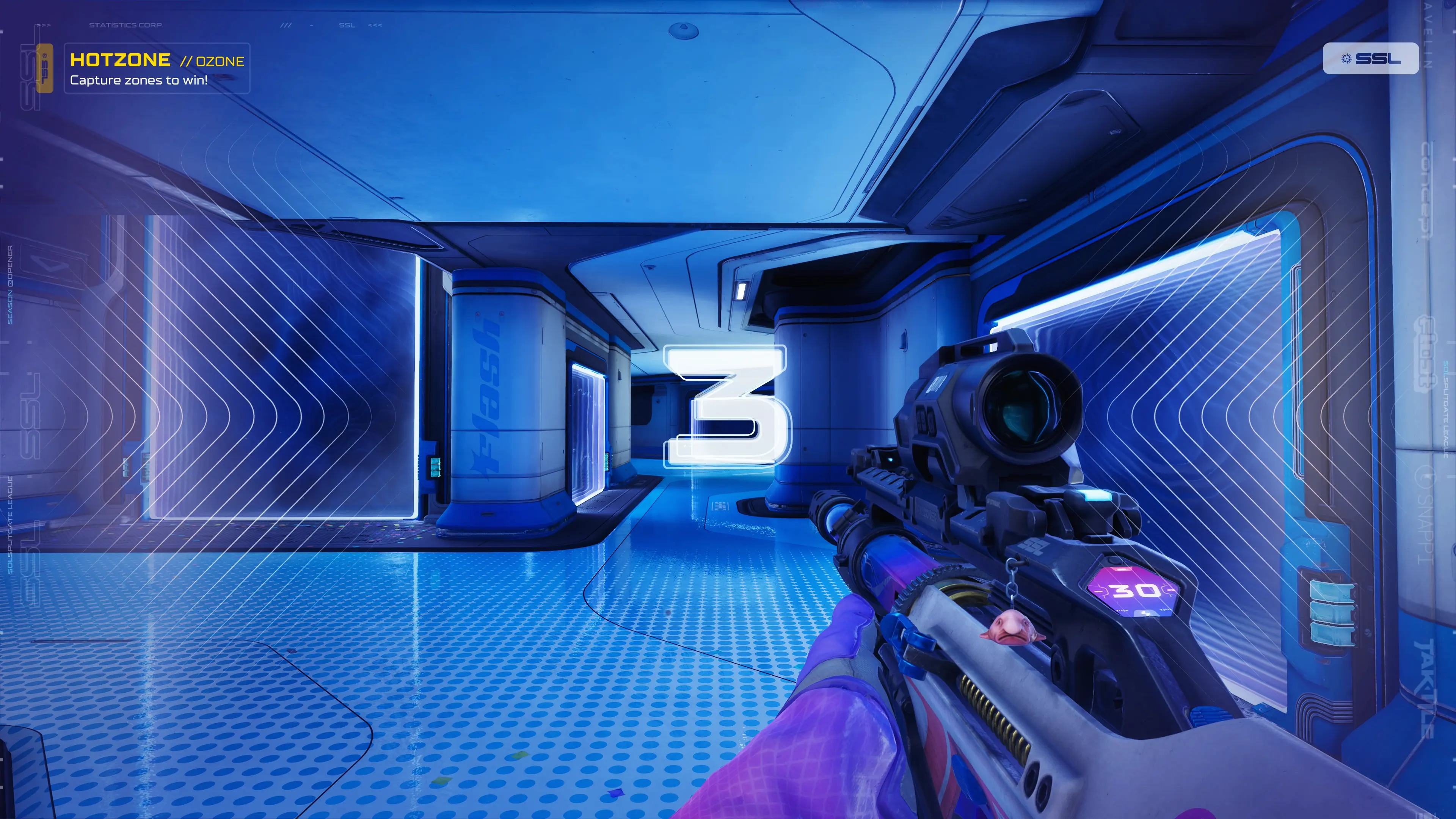
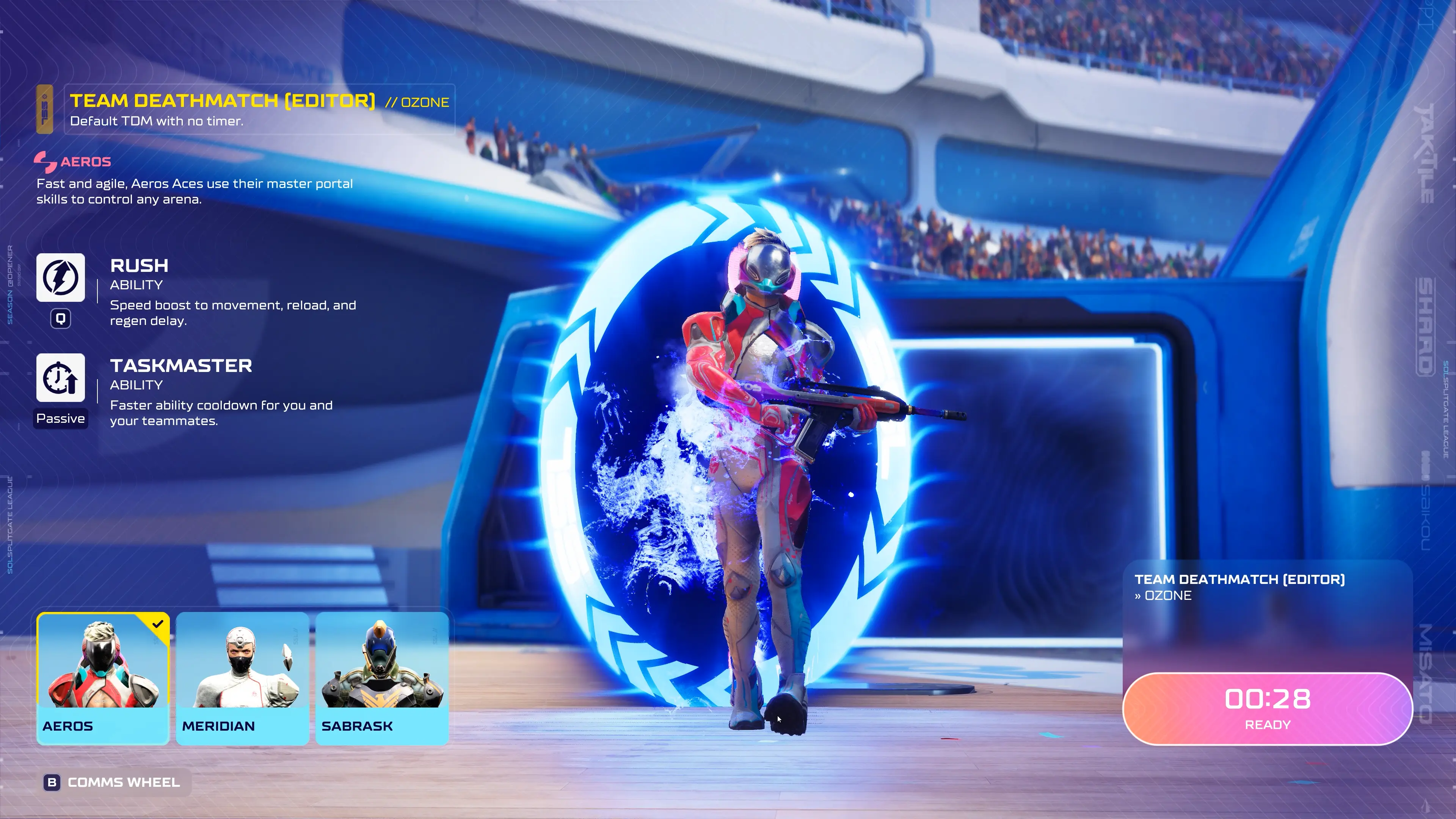
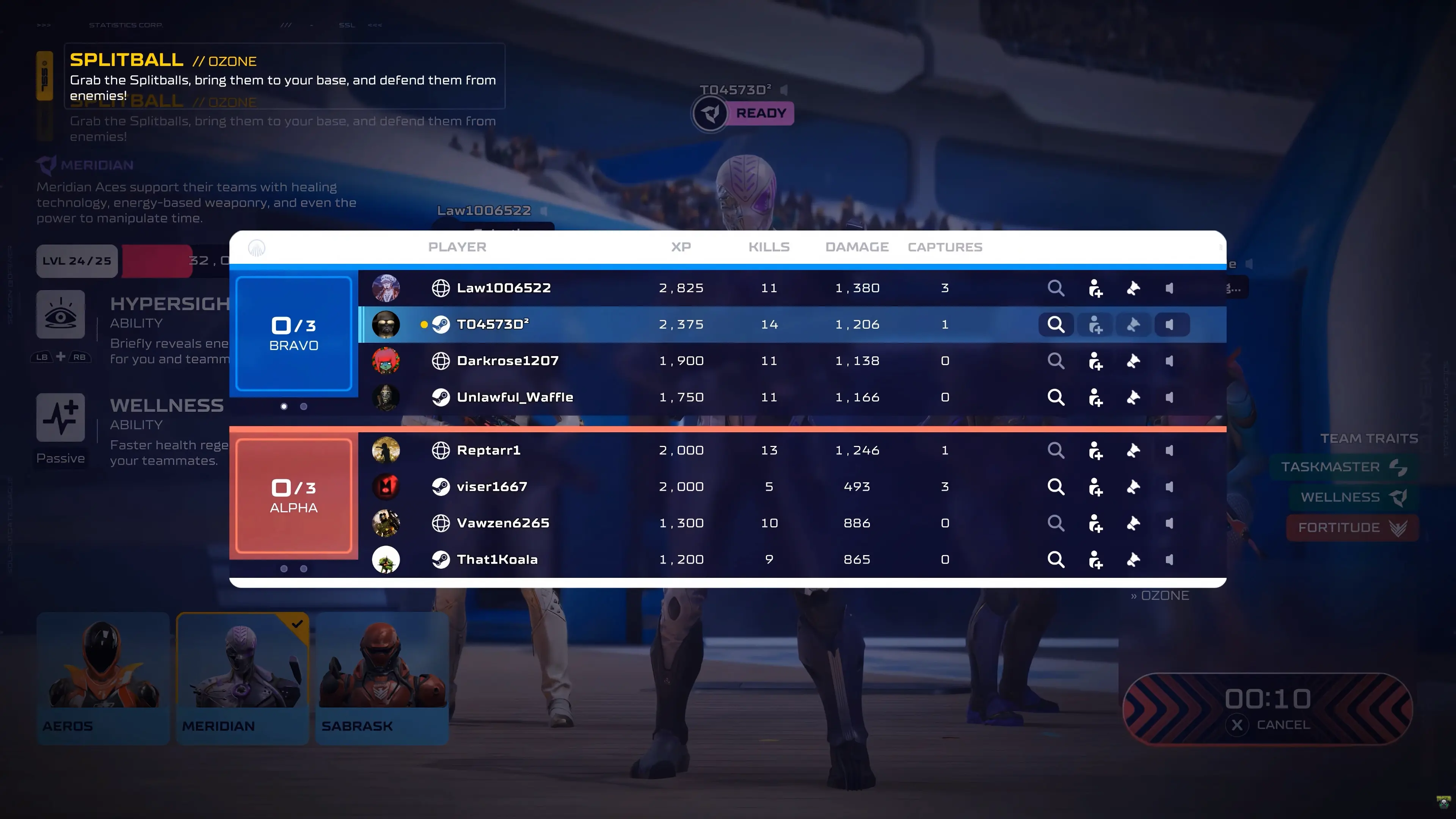
Choose a faction. Select a loadout. Enter the arena. The flow is intentionally minimal, removing friction and keeping players focused on play rather than navigation.
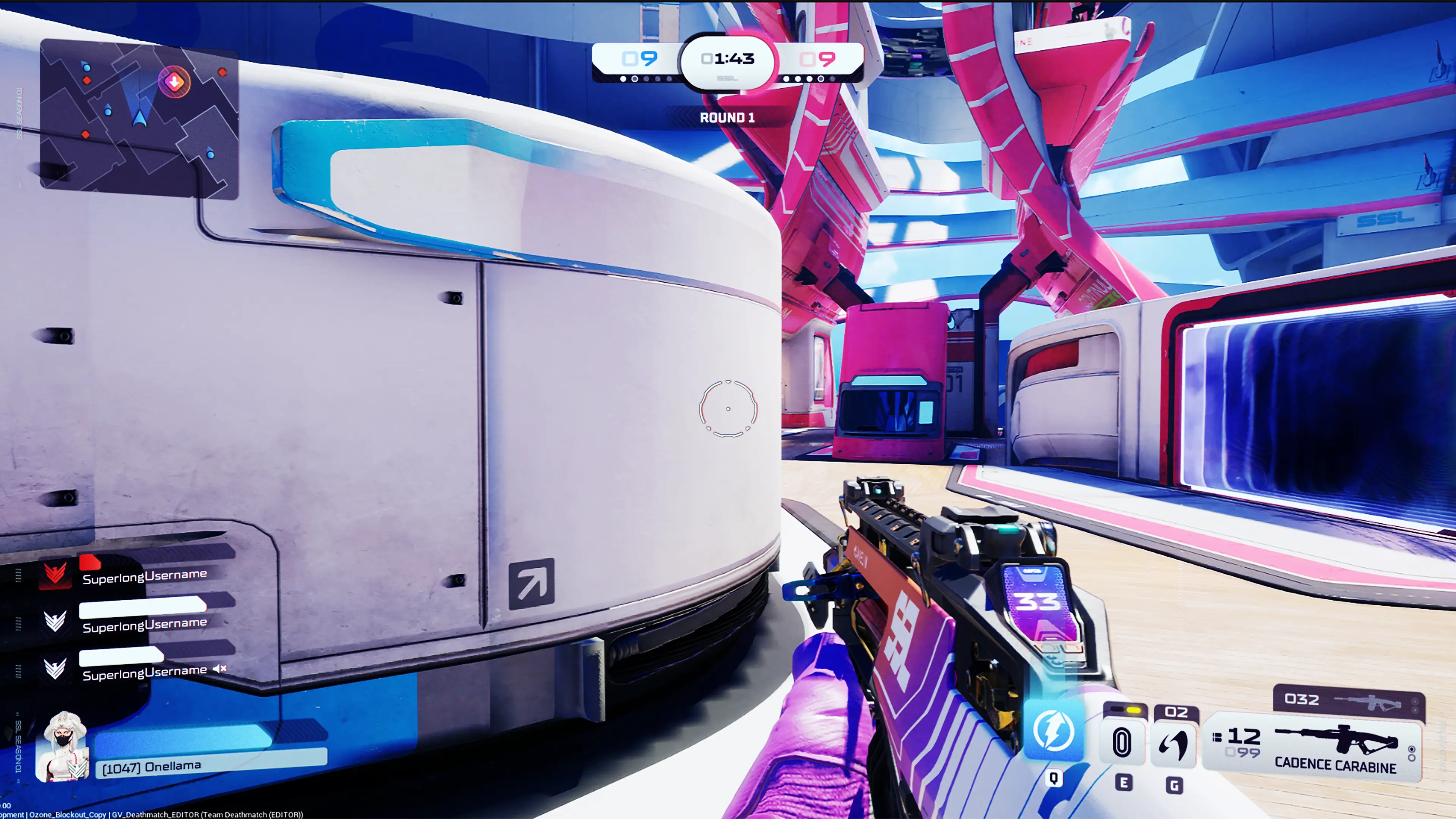
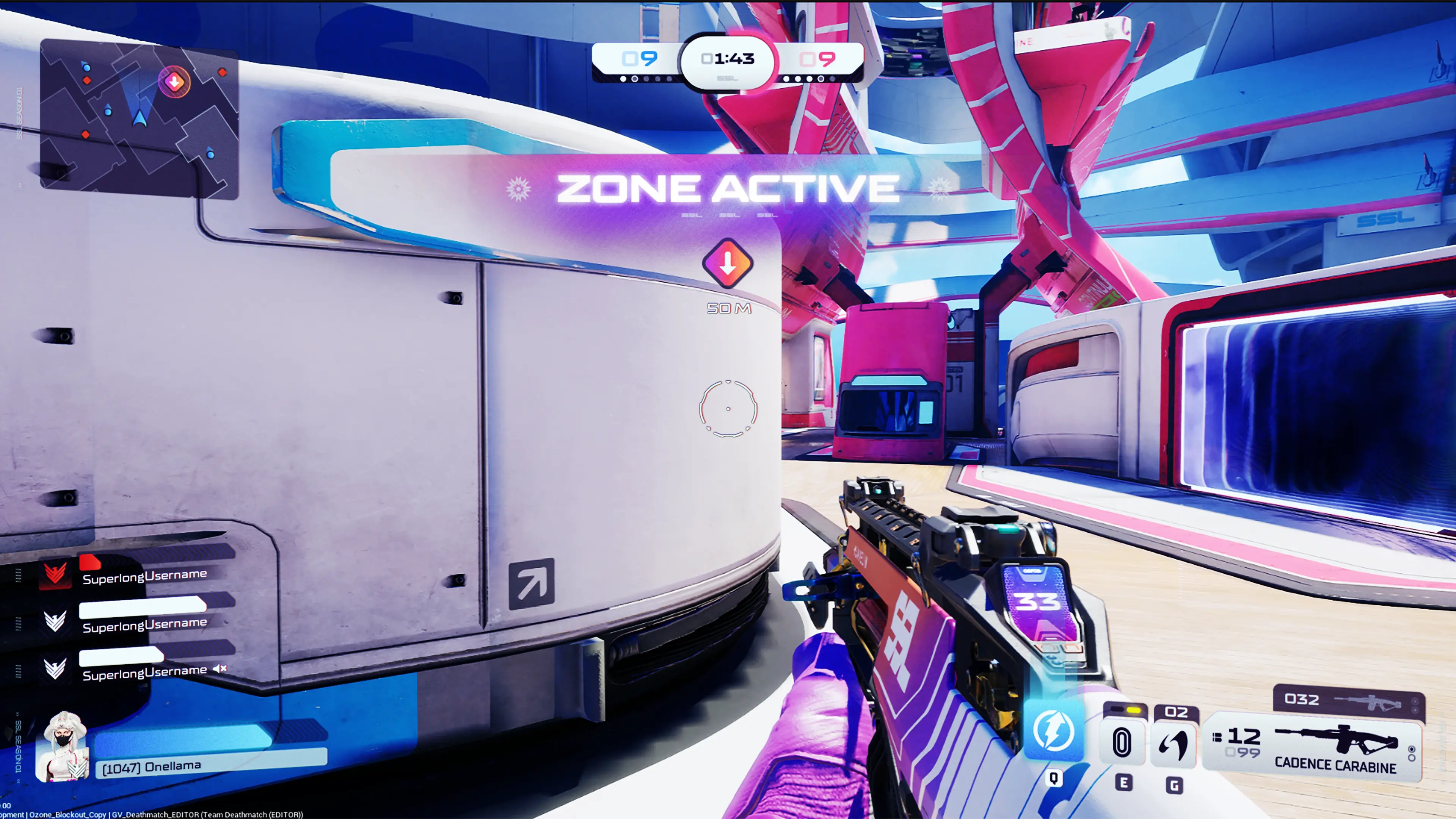
Core Gameplay
-
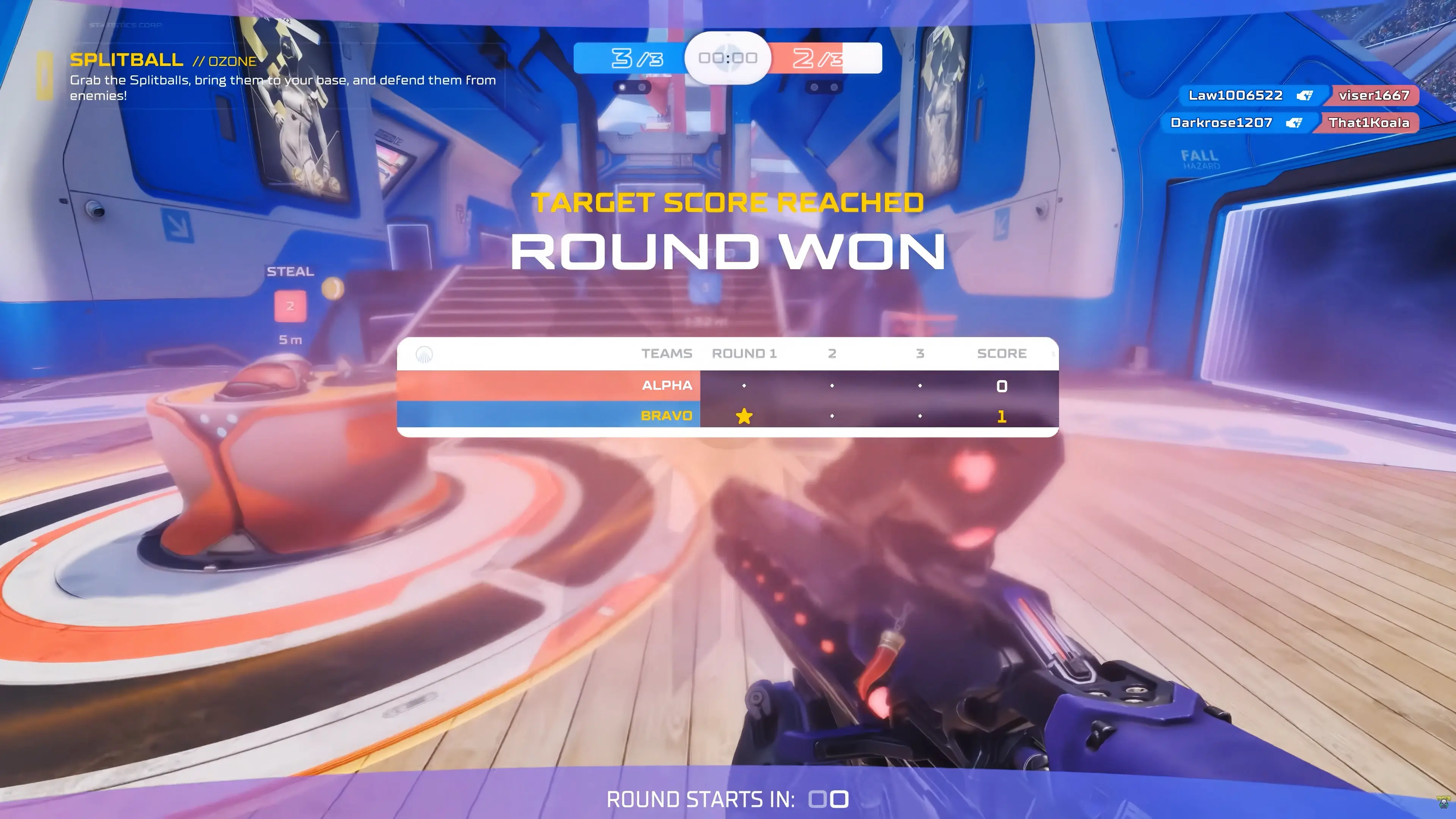
The HUD supports intensity without competing with it. Objectives, team identity, medals, and progression feedback surface clearly, reinforcing momentum throughout the match. Supporting elements, from pickups to combat confirmations, integrate seamlessly into the flow, maintaining clarity in motion.
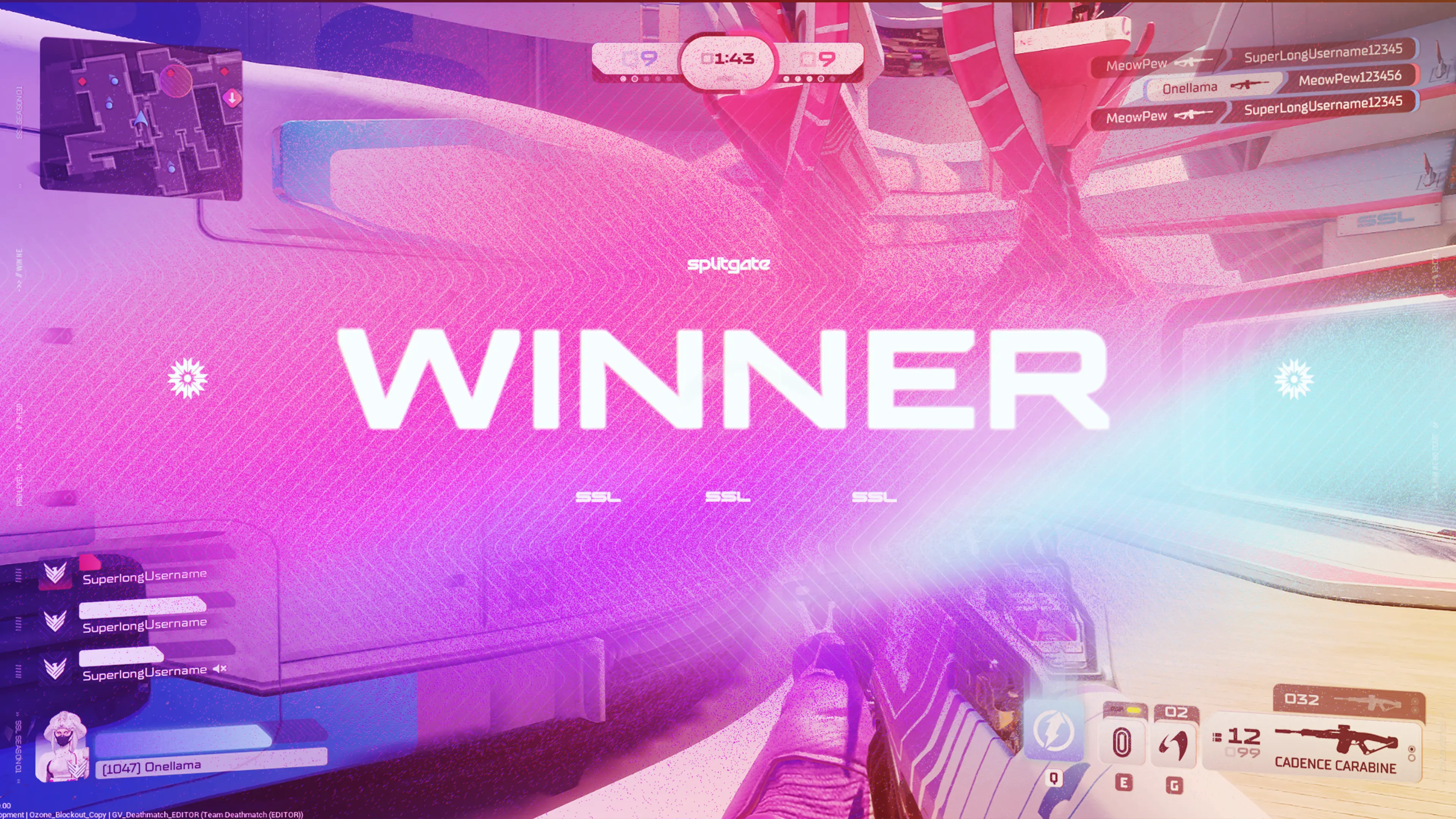
Mid & Post Game
-
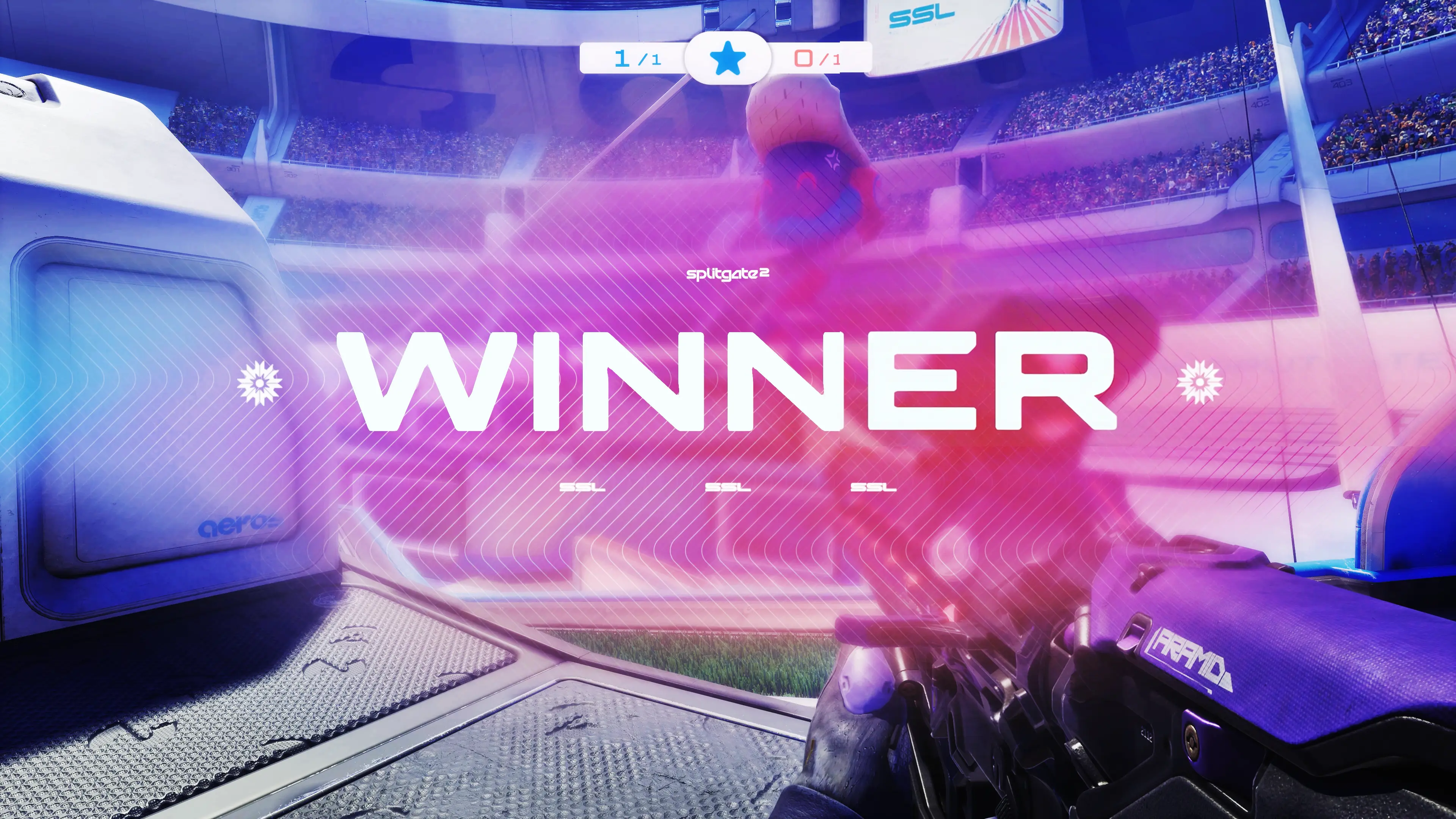
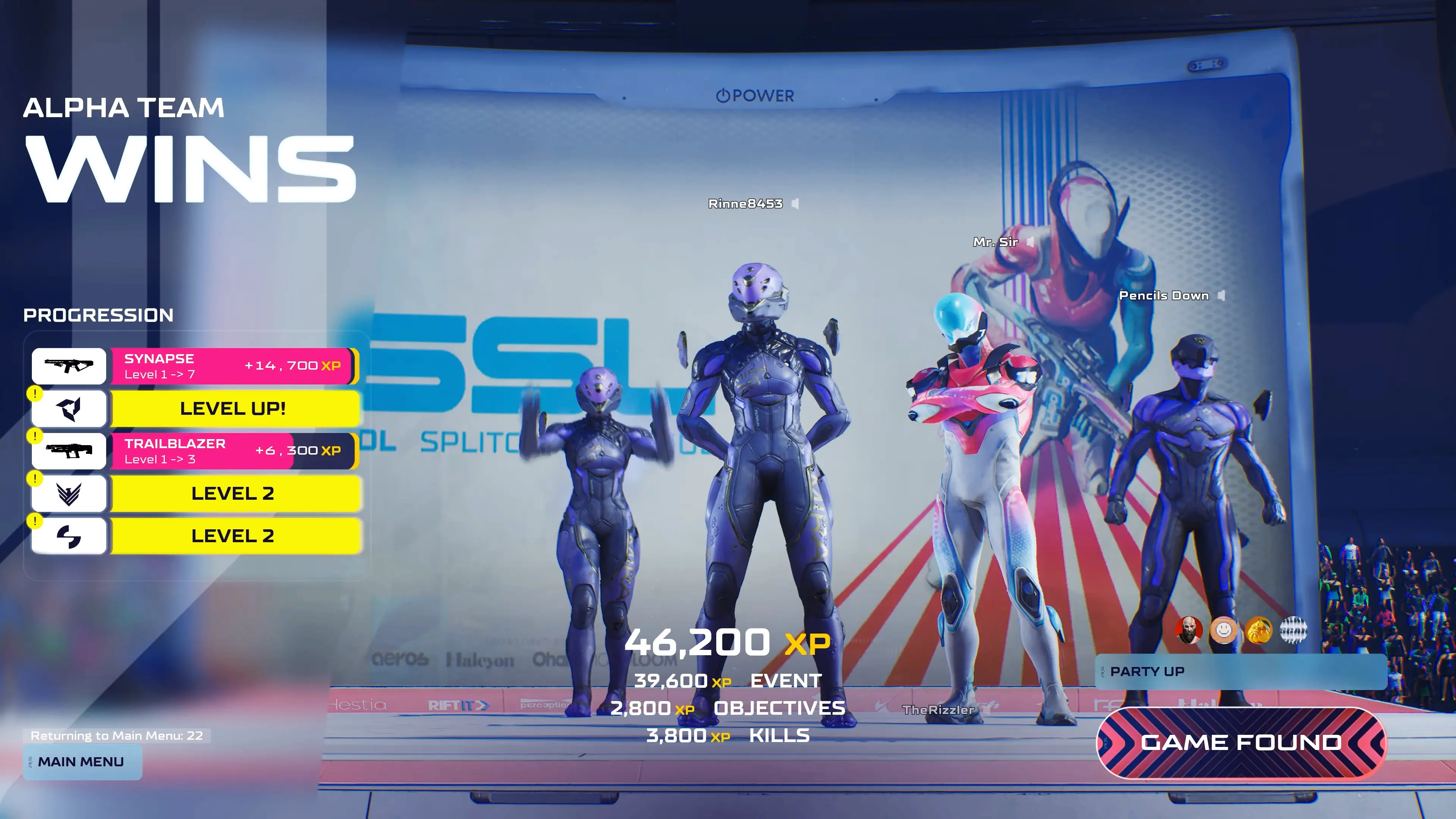
Transitions remain consistent. Results are clear and confident. Performance is framed without excess, maintaining momentum from match start to finish.
Game Play
-
/02
Arena Shooter
-
Built for clarity at speed.
The gameplay interface was structured to remain readable under pressure, supporting rapid decision-making and constant movement without sacrificing hierarchy. The system prioritizes visibility. Strong hierarchy, bold typography, and deliberate spatial control ensure information remains legible in motion. Nothing decorative. Everything functional. Arena demanded minimal cognitive load, immediate readability, and spatial consistency across rapid environmental shifts.
Pre-Game
-
Choose a faction. Select a loadout. Enter the arena. The flow is intentionally minimal, removing friction and keeping players focused on play rather than navigation.
Core Gameplay
-
The HUD supports intensity without competing with it. Objectives, team identity, medals, and progression feedback surface clearly, reinforcing momentum throughout the match. Supporting elements, from pickups to combat confirmations, integrate seamlessly into the flow, maintaining clarity in motion.
Mid & Post Game
-
Transitions remain consistent. Results are clear and confident. Performance is framed without excess, maintaining momentum from match start to finish.
Game Play
-
/02
Arena Shooter
-
Built for clarity at speed.
The gameplay interface was structured to remain readable under pressure, supporting rapid decision-making and constant movement without sacrificing hierarchy. The system prioritizes visibility. Strong hierarchy, bold typography, and deliberate spatial control ensure information remains legible in motion. Nothing decorative. Everything functional. Arena demanded minimal cognitive load, immediate readability, and spatial consistency across rapid environmental shifts.
Pre-Game
-
Choose a faction. Select a loadout. Enter the arena. The flow is intentionally minimal, removing friction and keeping players focused on play rather than navigation.
Core Gameplay
-
The HUD supports intensity without competing with it. Objectives, team identity, medals, and progression feedback surface clearly, reinforcing momentum throughout the match. Supporting elements, from pickups to combat confirmations, integrate seamlessly into the flow, maintaining clarity in motion.
Mid & Post Game
-
Transitions remain consistent. Results are clear and confident. Performance is framed without excess, maintaining momentum from match start to finish.
Pre-Game
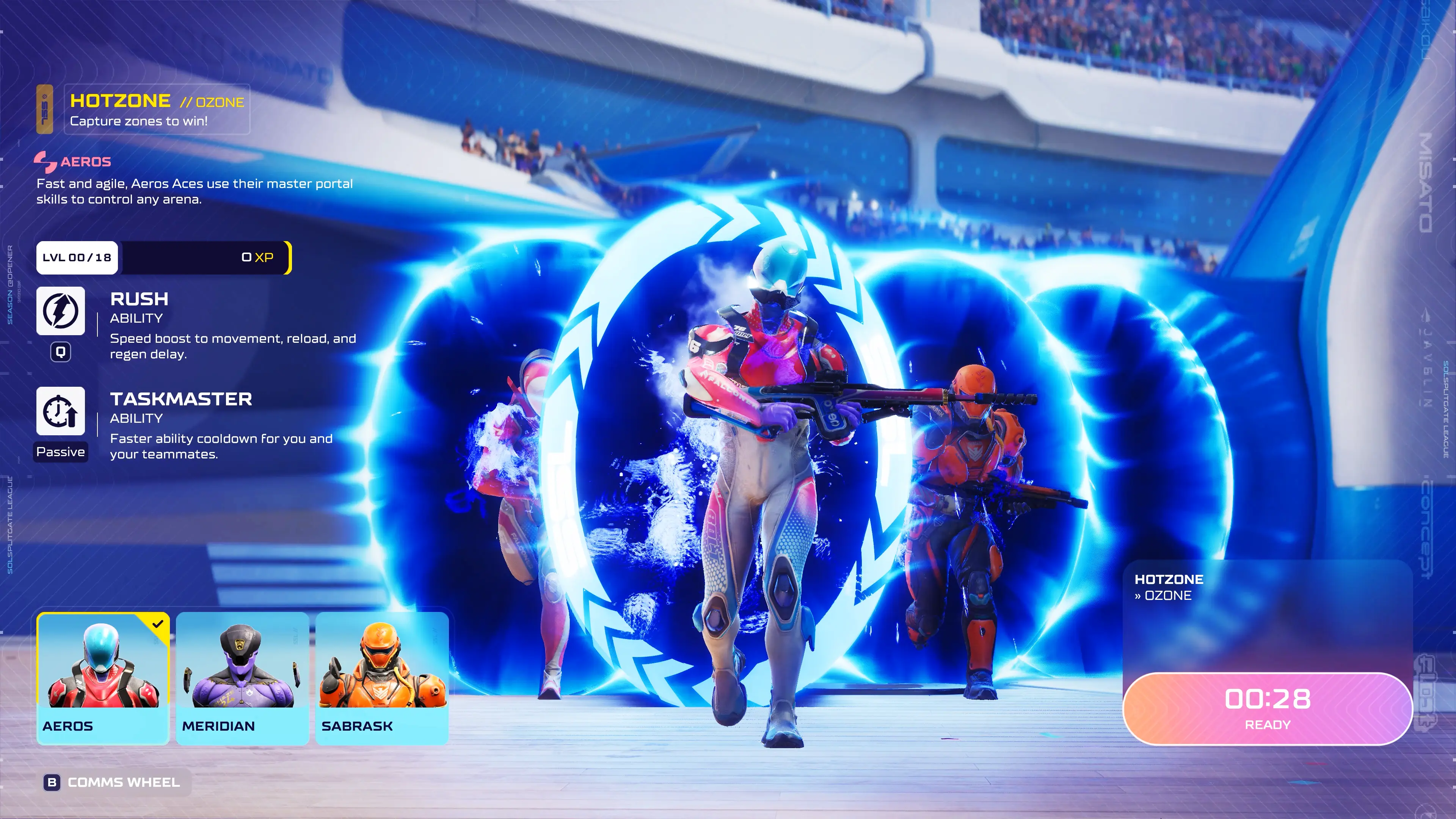
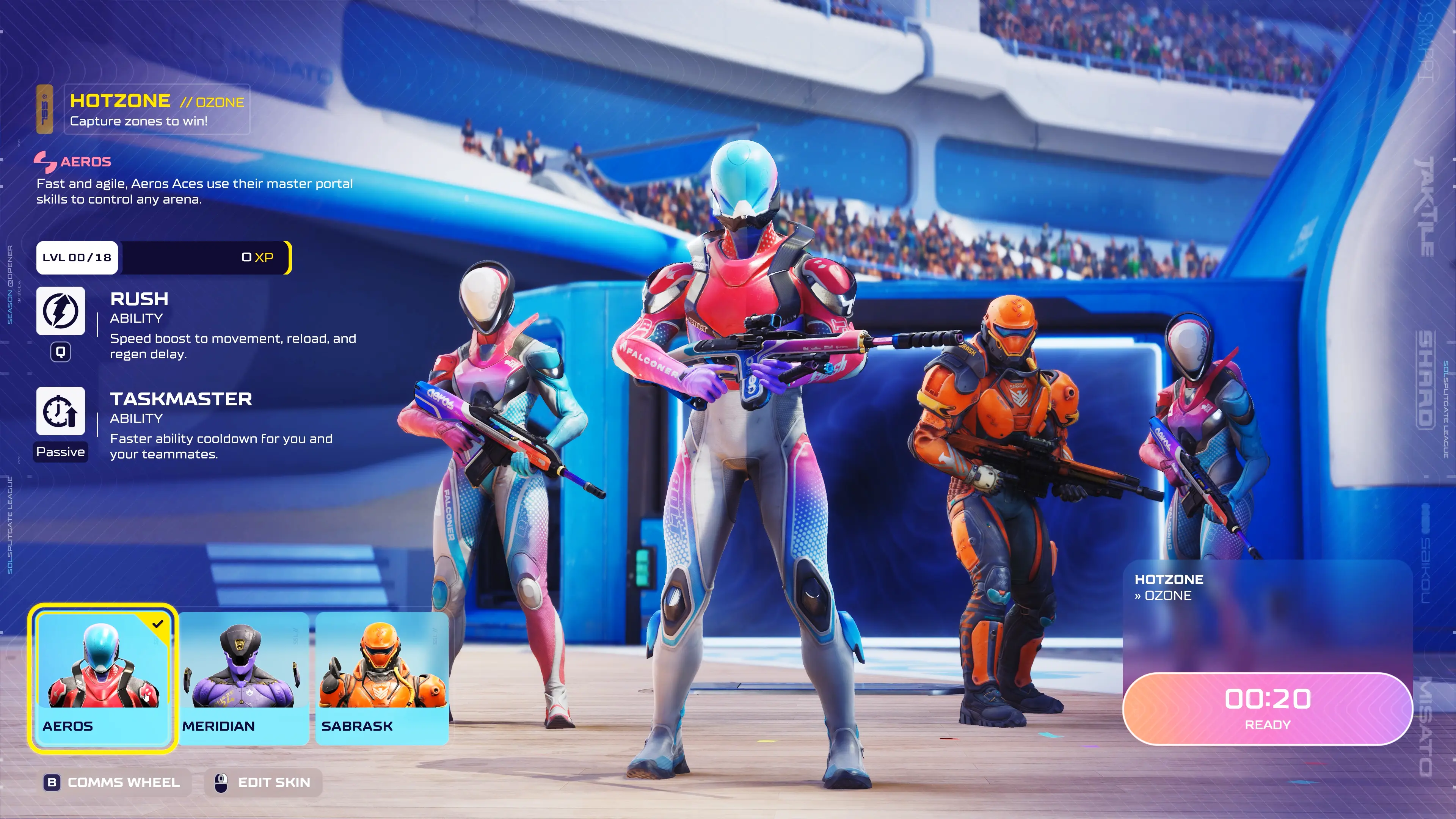
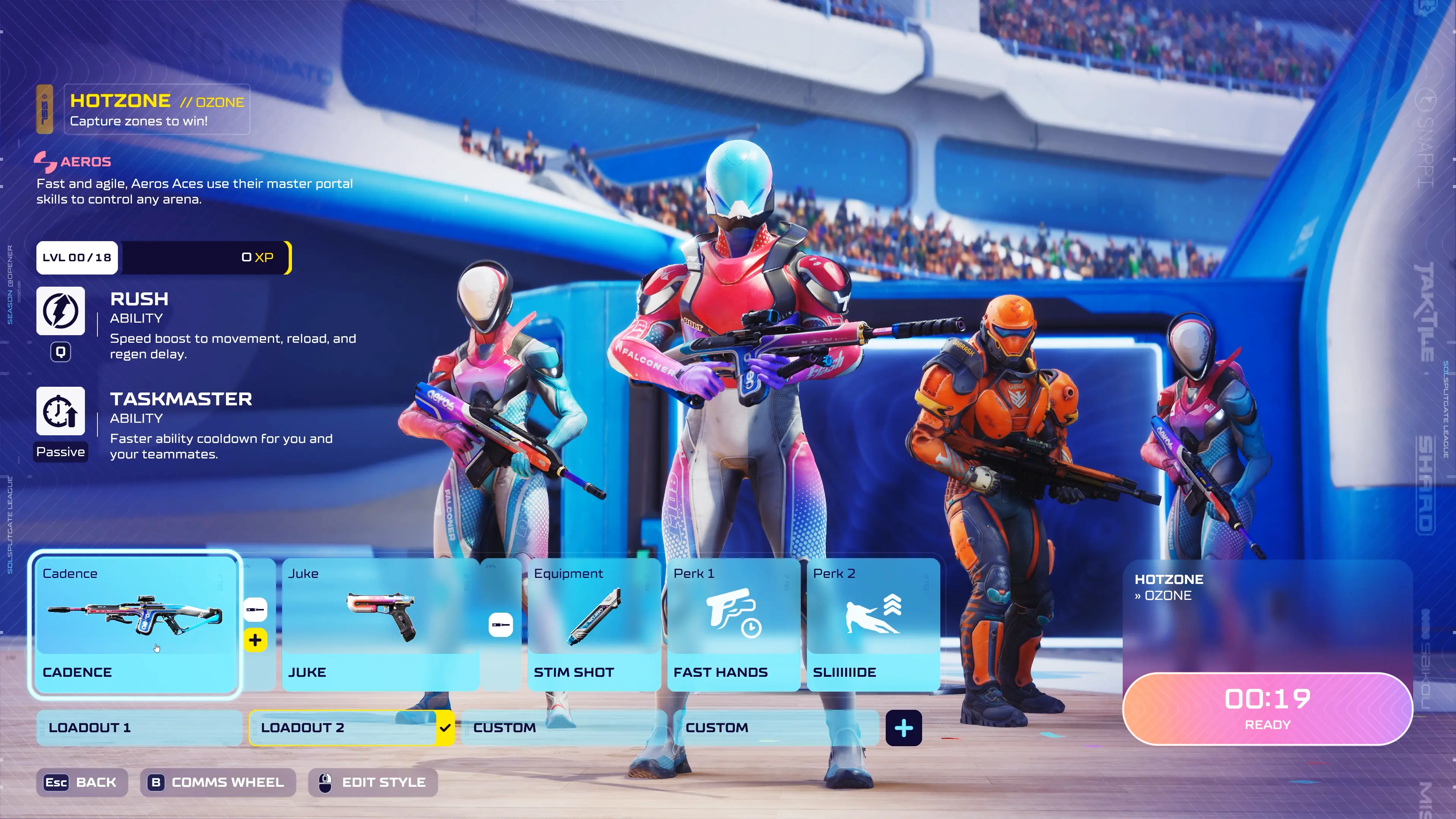
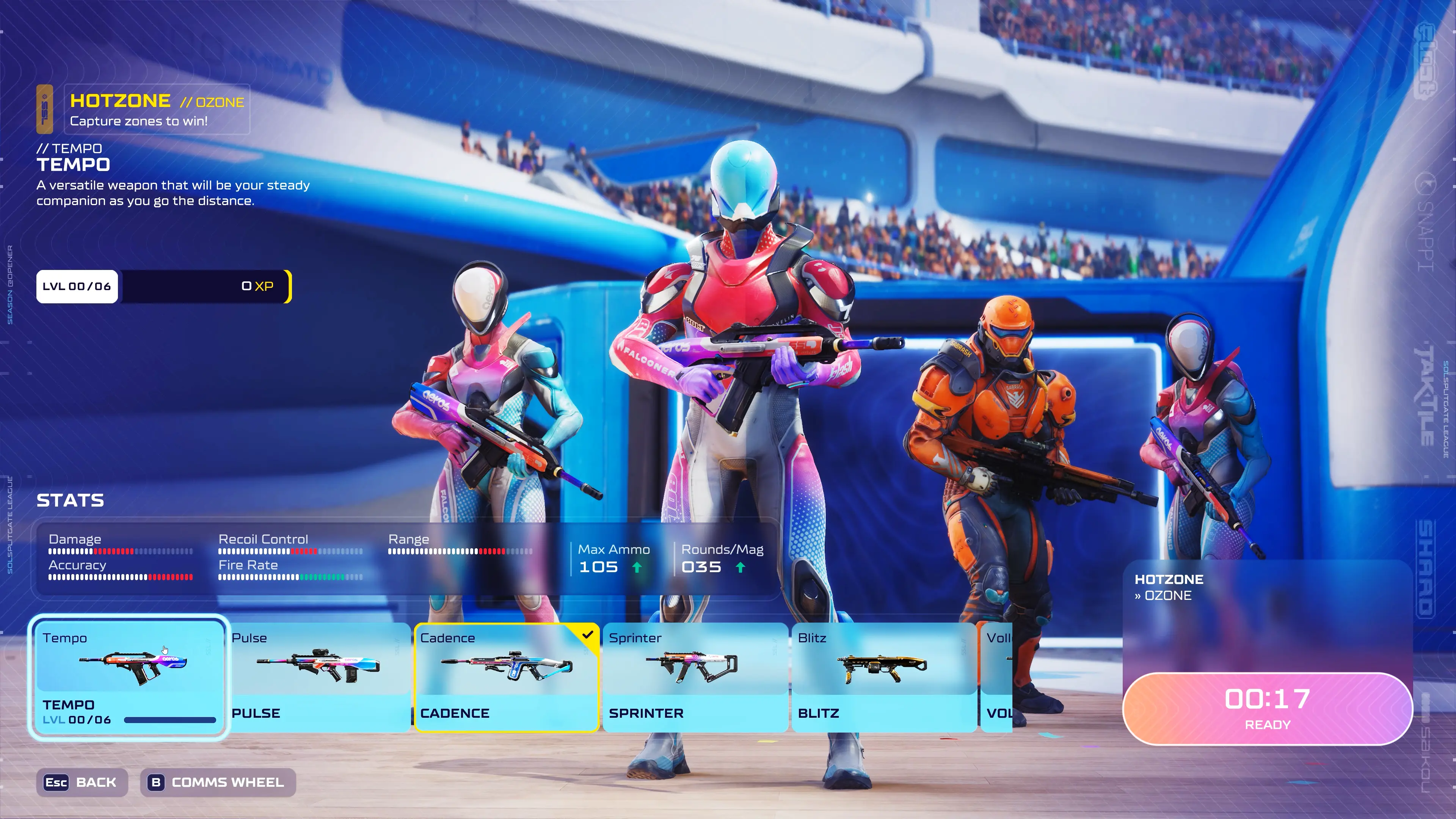

(check CMS context / gallery slot)
(check CMS context / gallery slot)
Core-Hud Gameplay Feedback
Mid & Post-Game
(check CMS context / gallery slot)
(check CMS context / gallery slot)
Built for clarity at speed.
From pre-game loadout to final scoreboard, the interface functions as a unified system, reinforcing momentum without interrupting play.
Deliberate hierarchy, weighted typography, and purposeful motion reduce cognitive load and support confident decision-making under pressure.
-
/02
Arena Shooter
Built for clarity at speed.
From pre-game loadout to final scoreboard, the interface functions as a unified system, reinforcing momentum without interrupting play.
Deliberate hierarchy, weighted typography, and purposeful motion reduce cognitive load and support confident decision-making under pressure.
-
/02
Arena Shooter
Gameplay
-
/03
Battle Royale
-
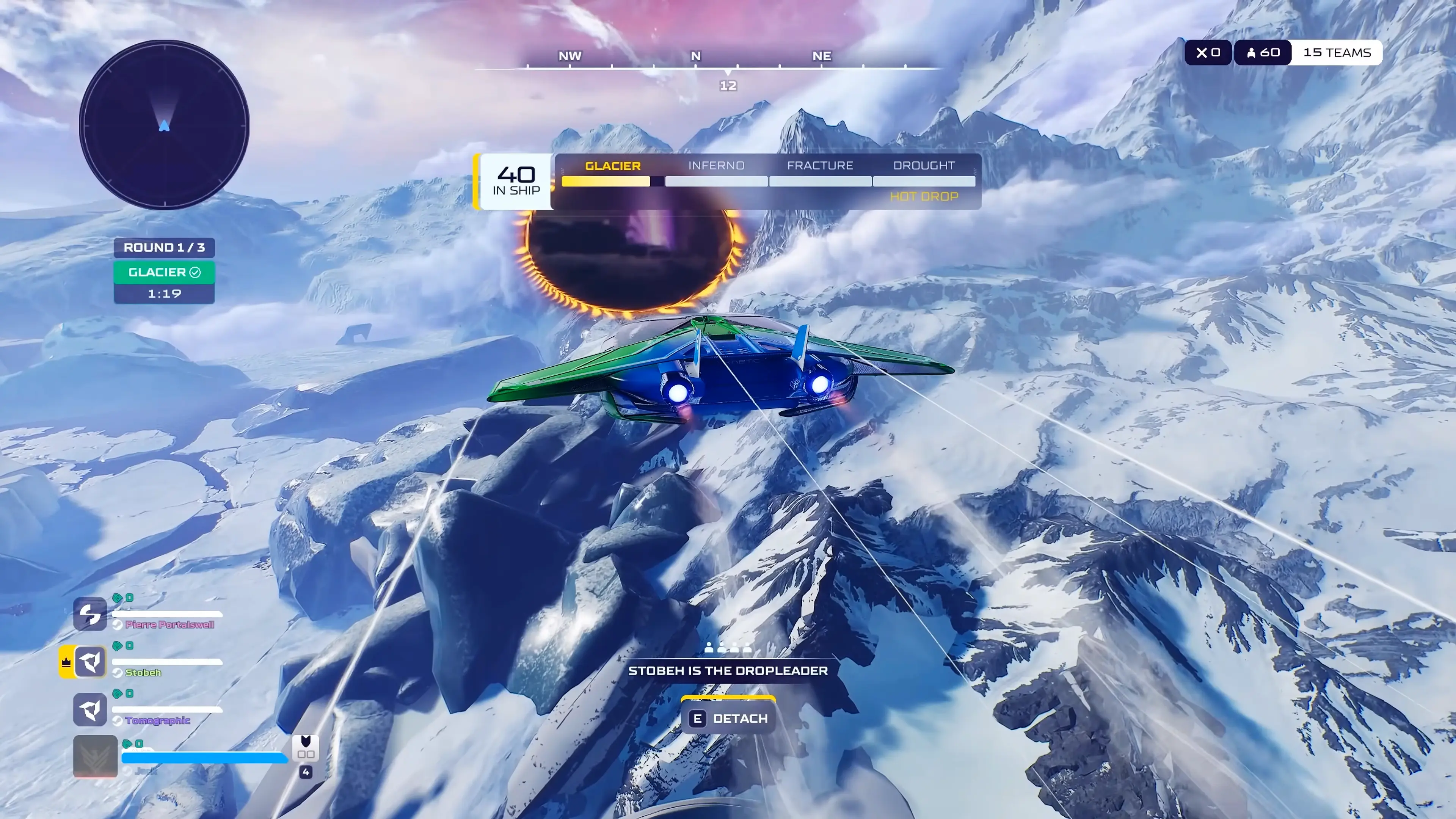
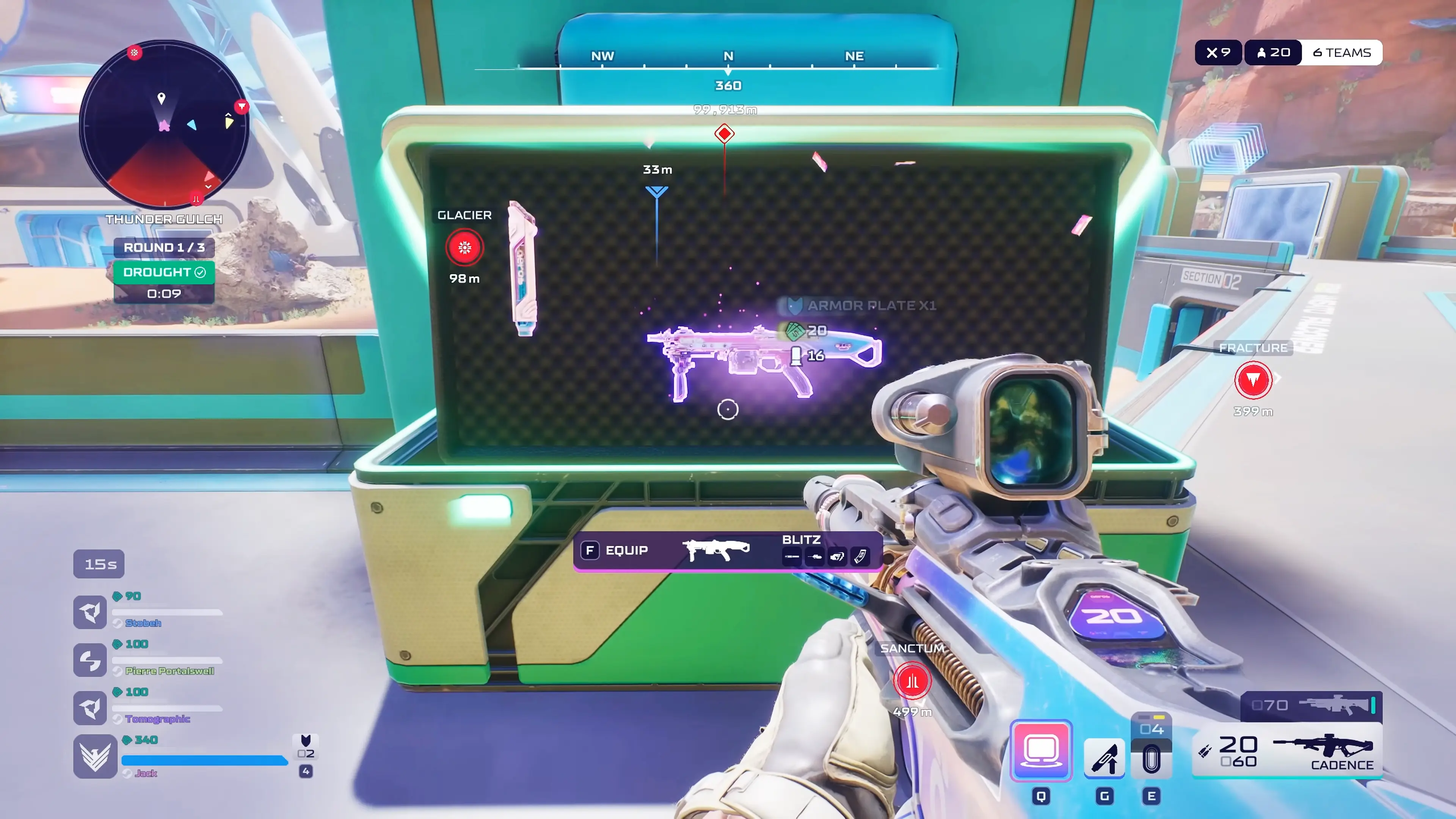
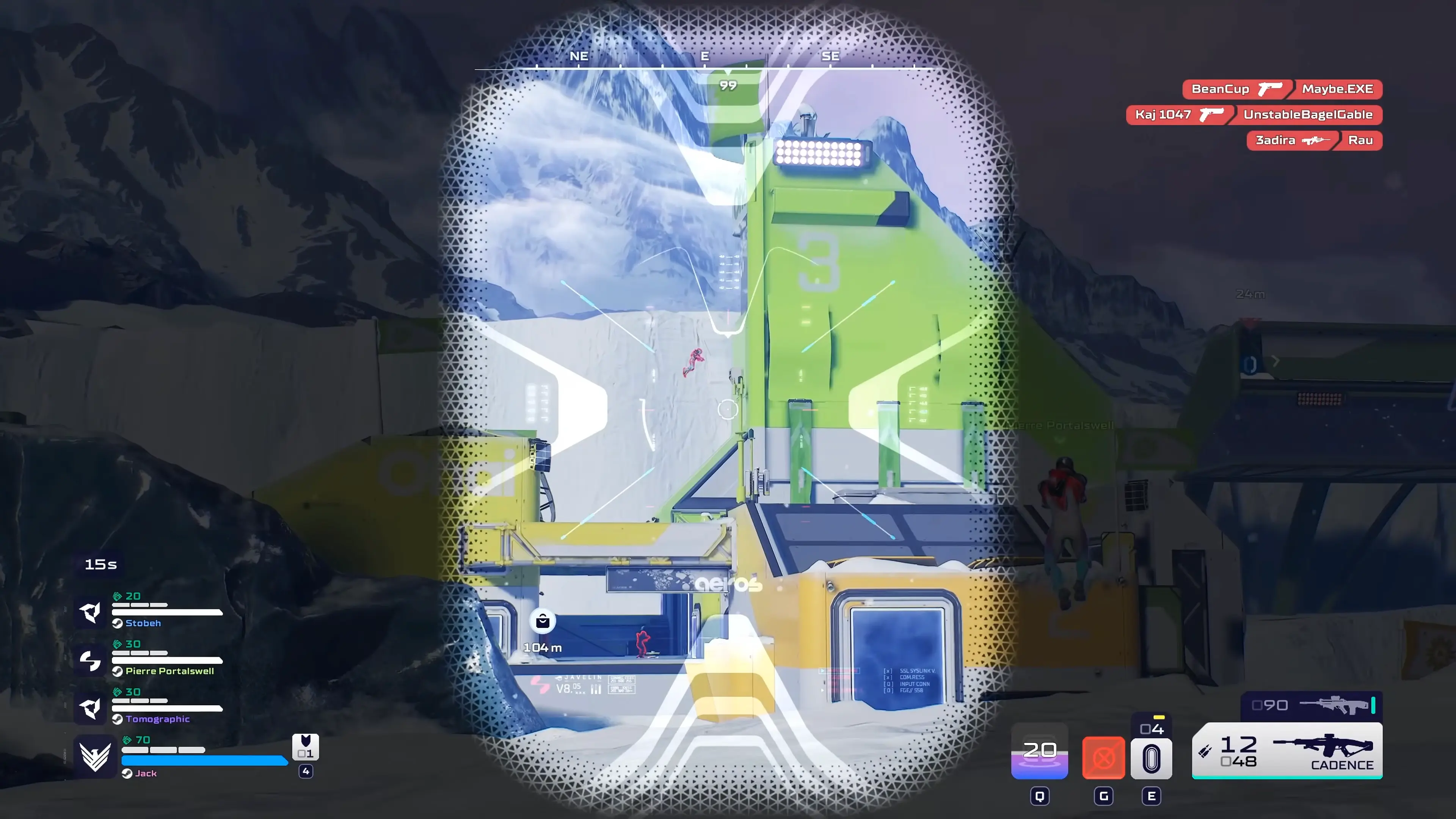
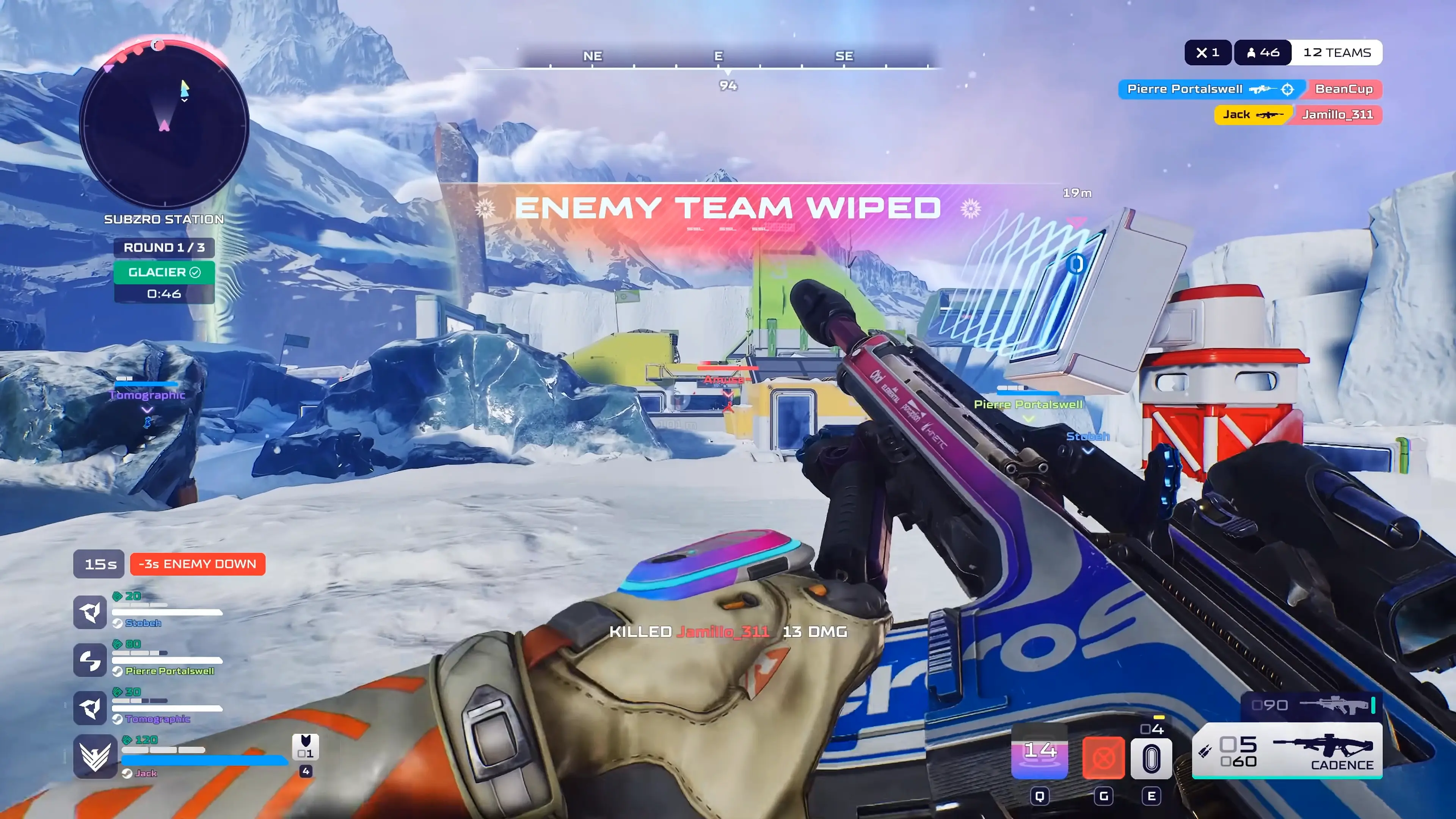
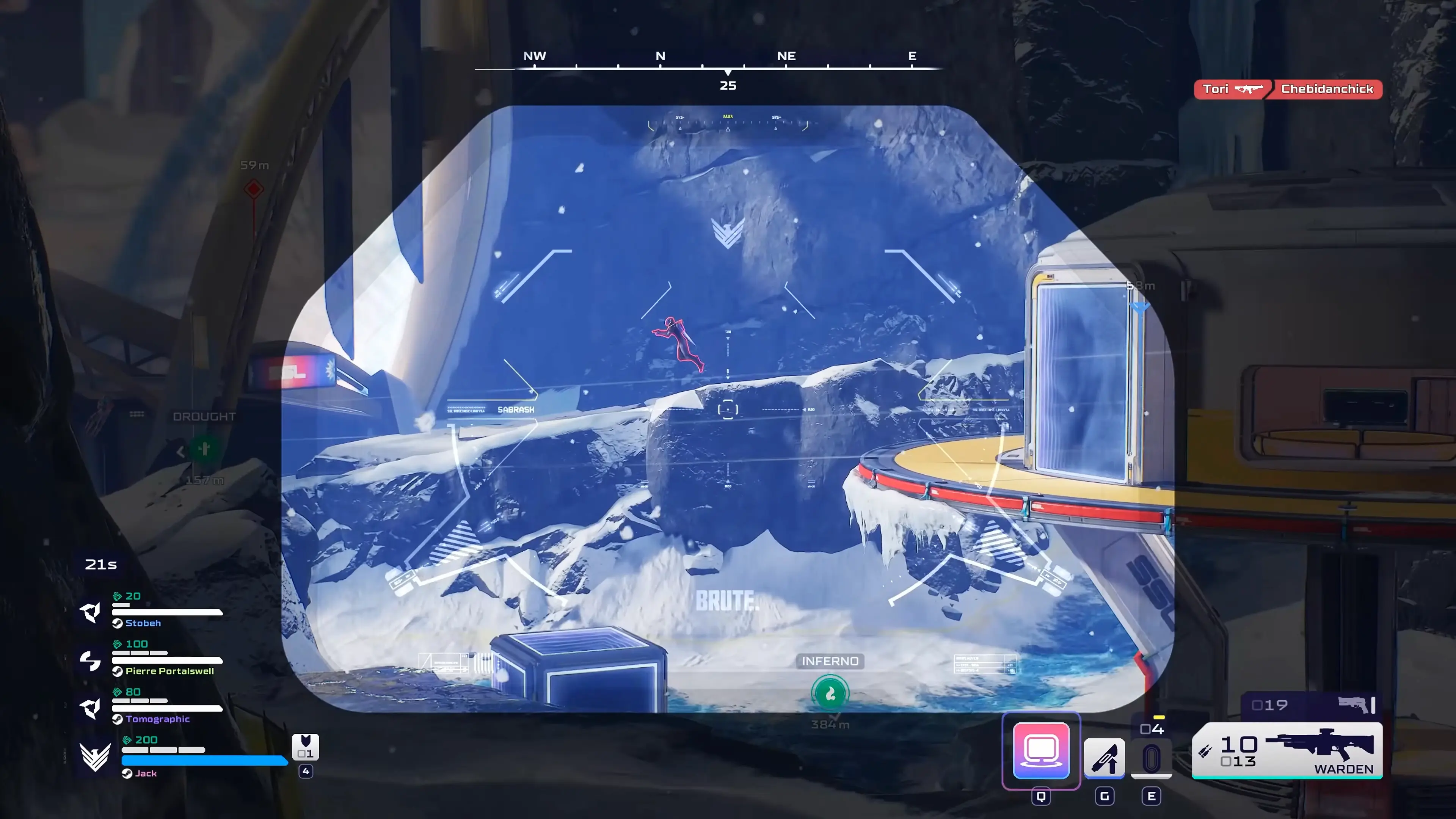
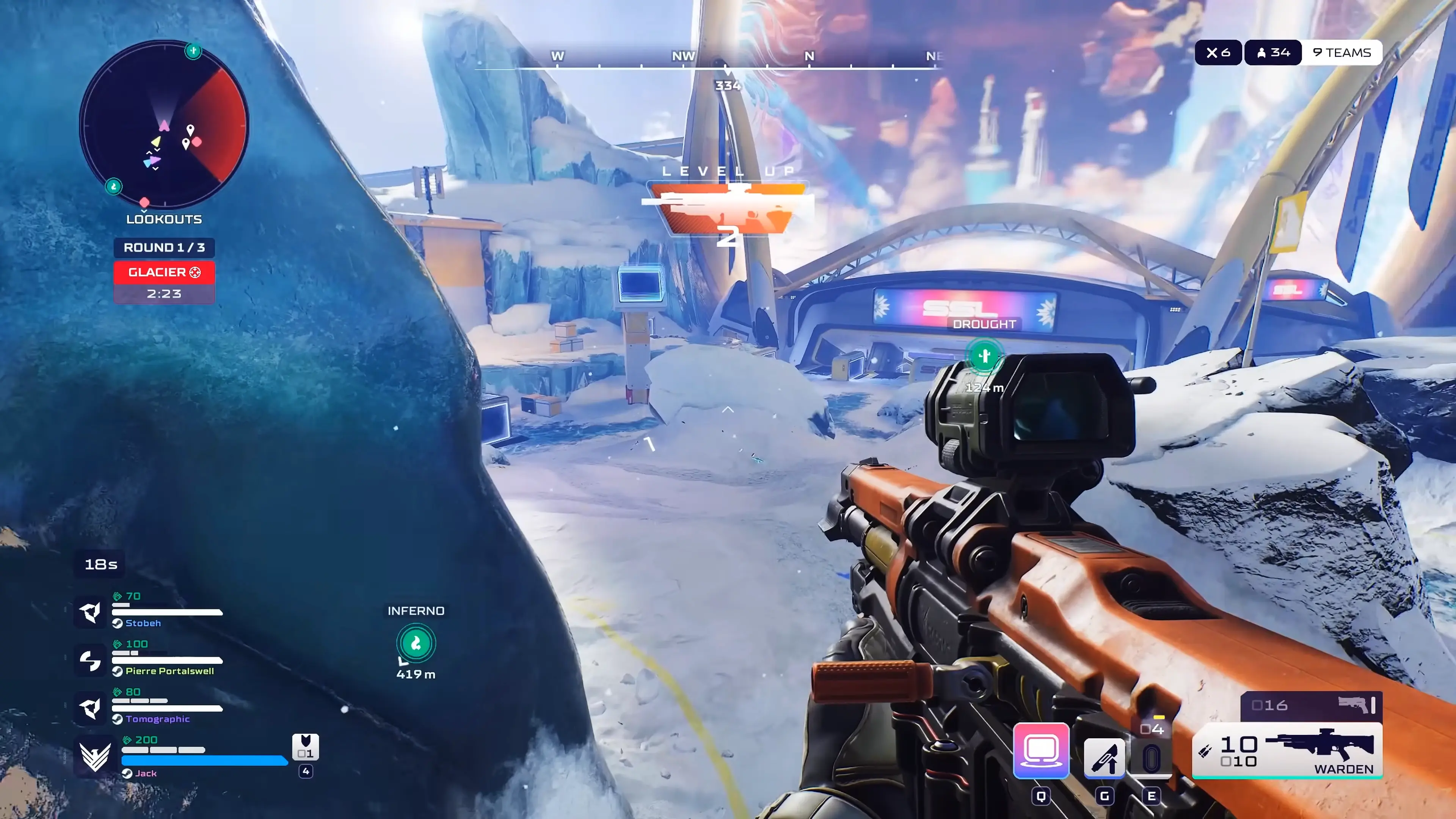
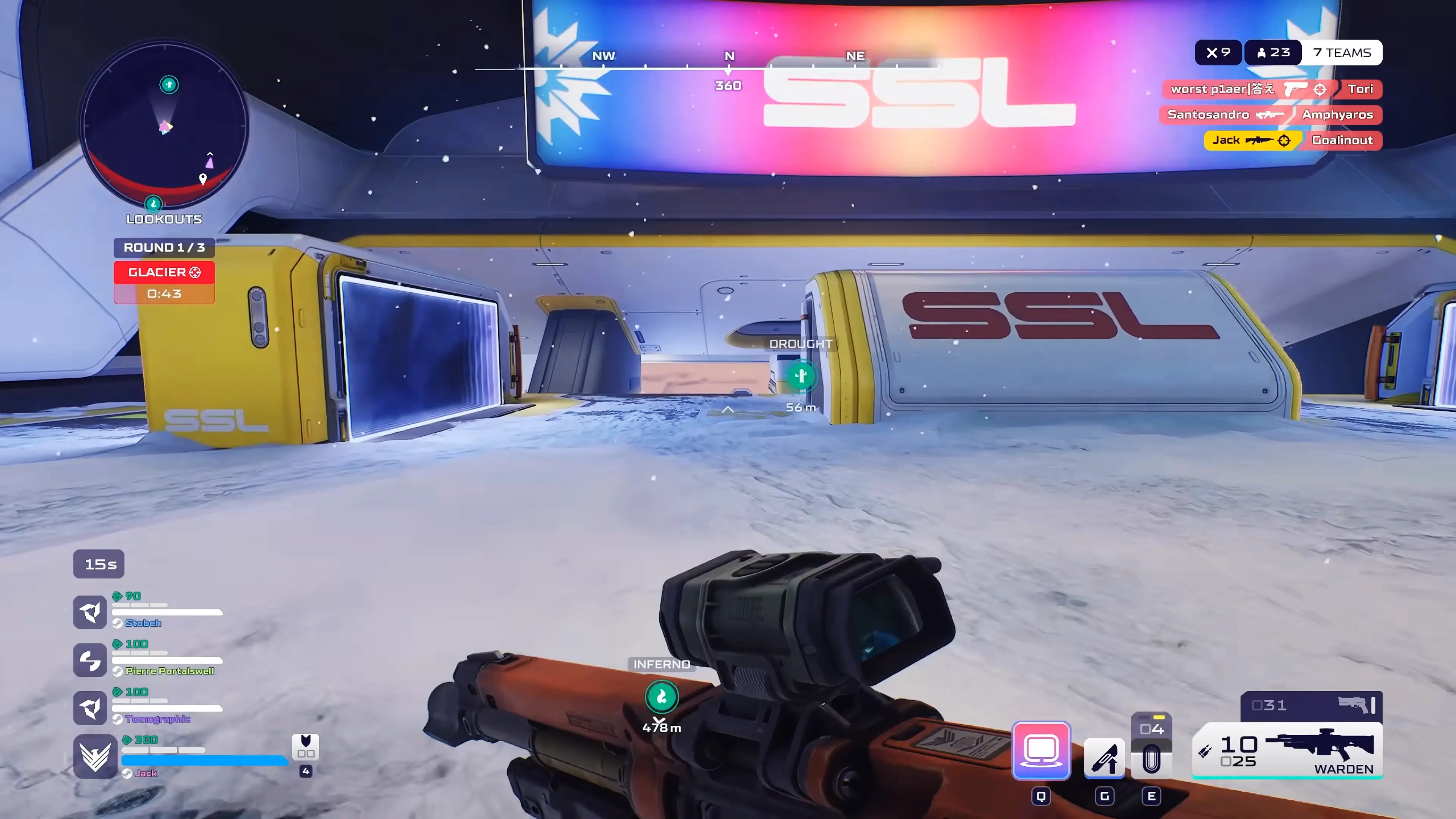
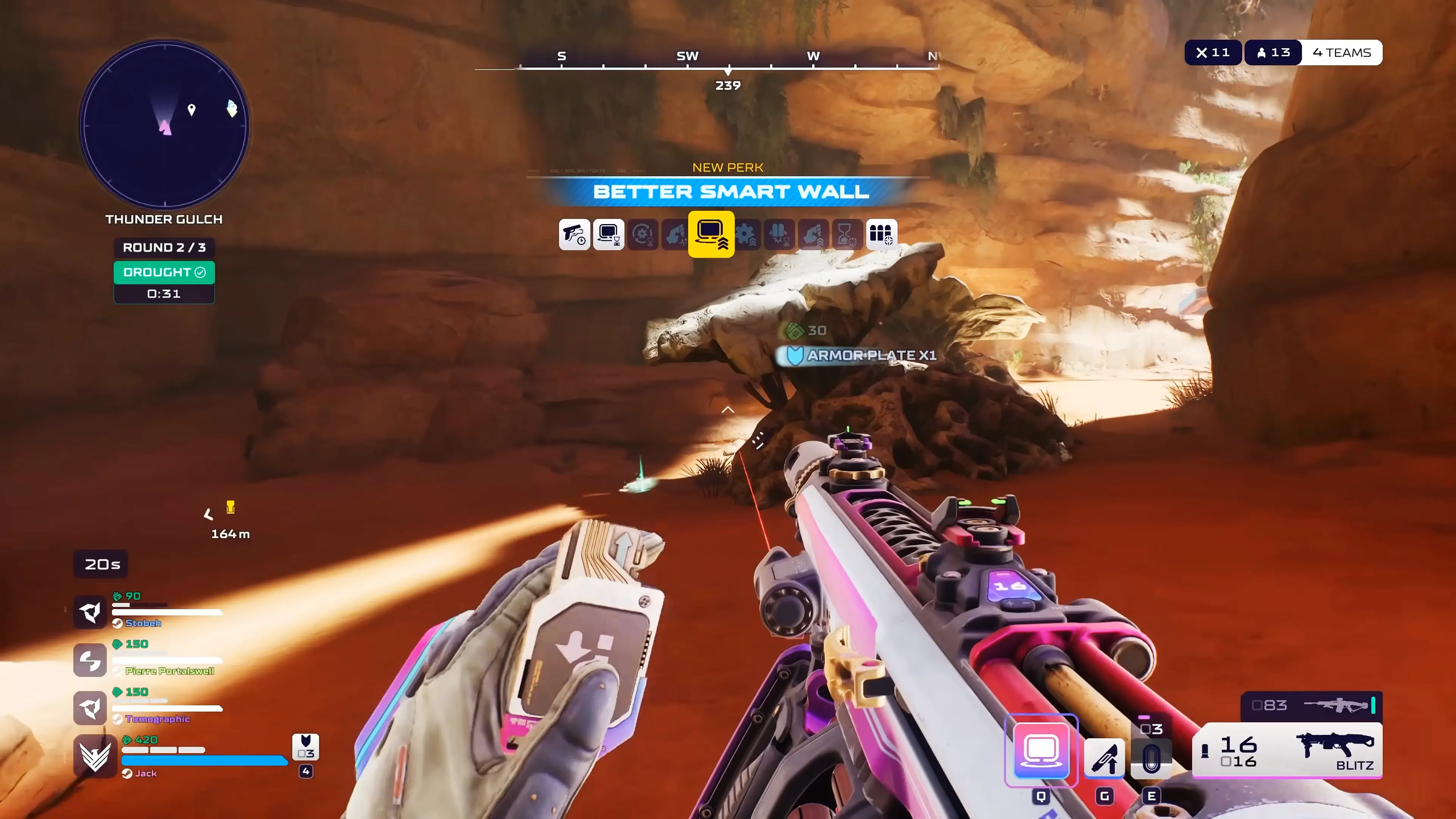
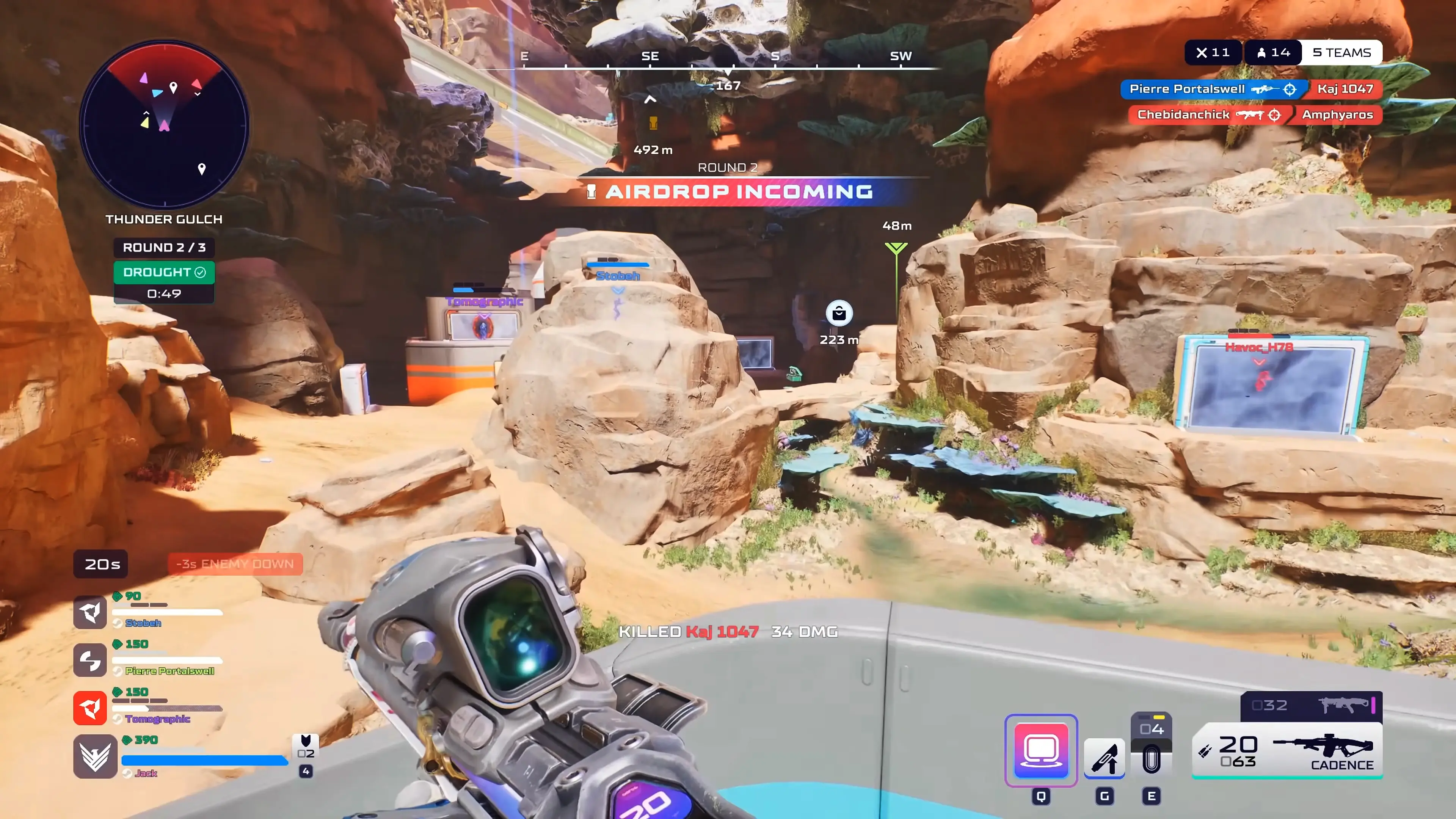
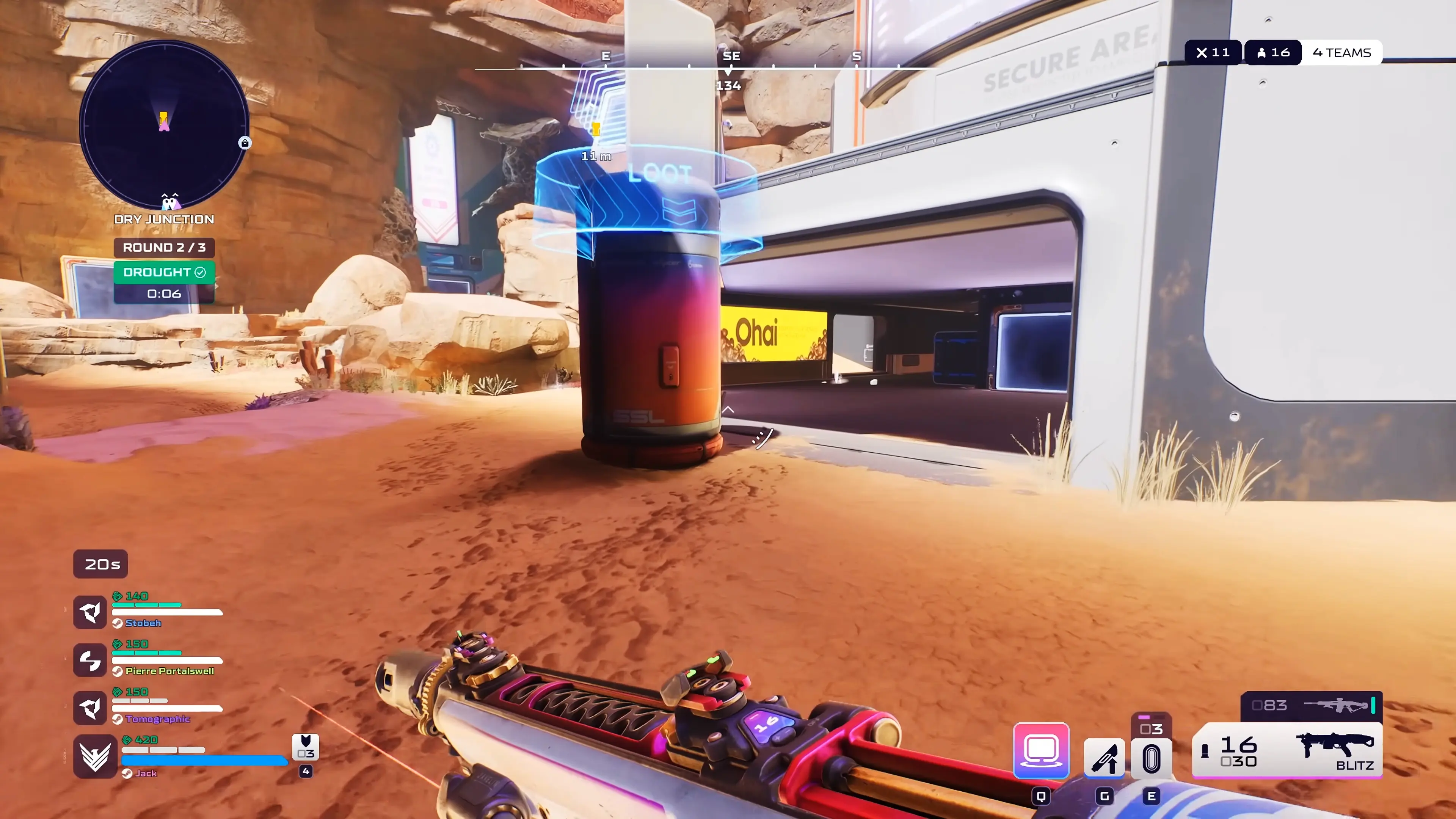
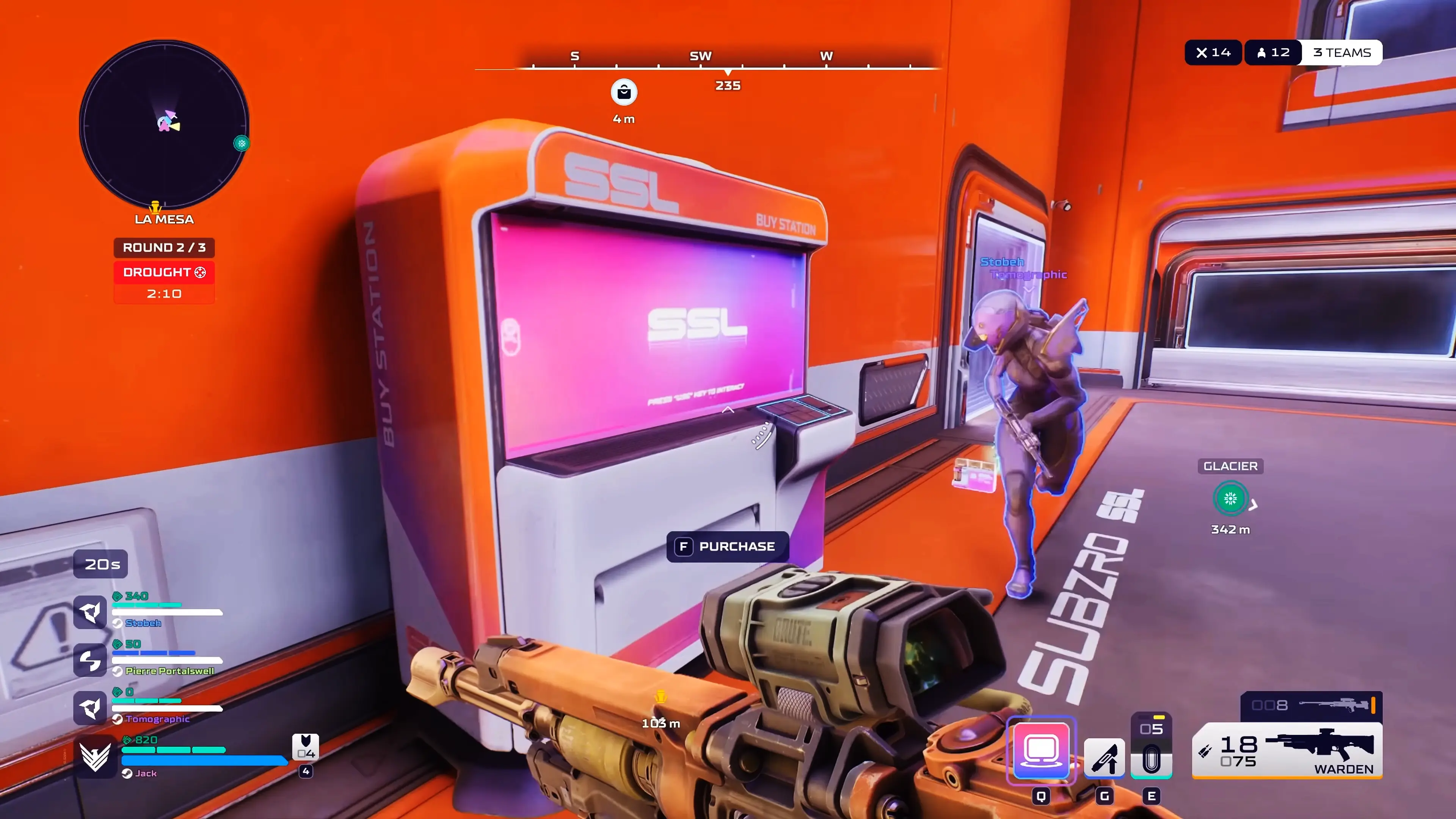
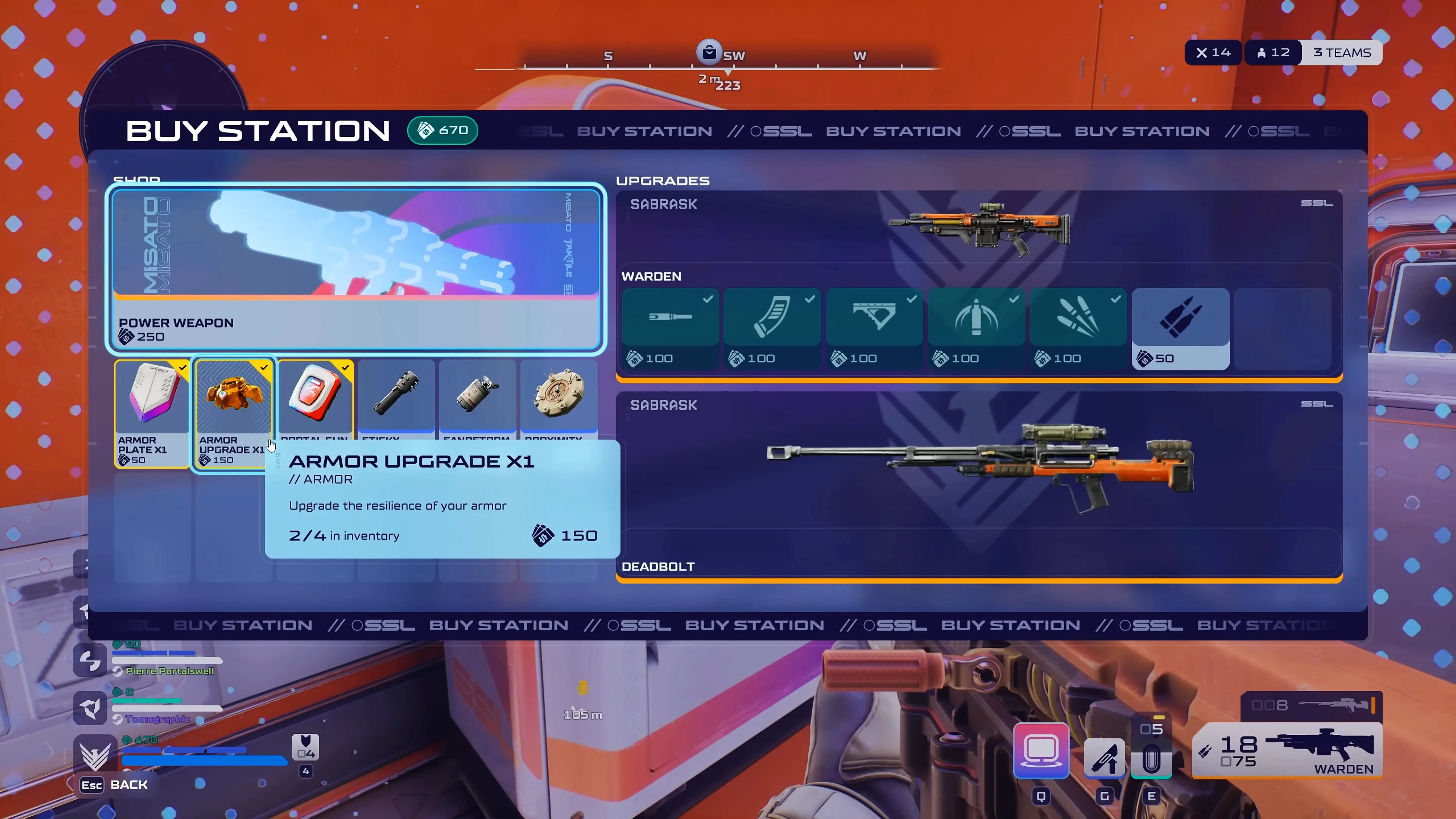
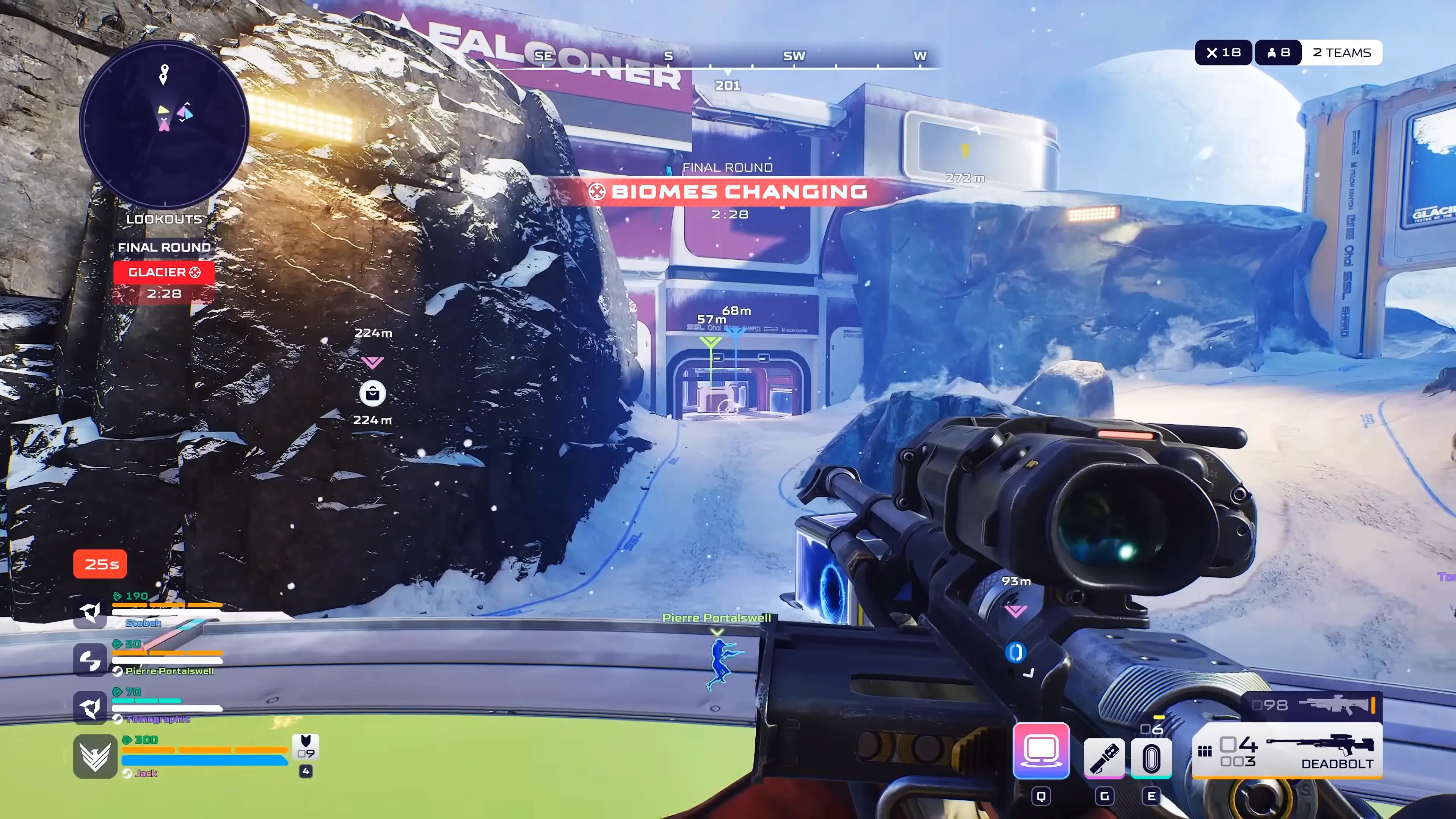
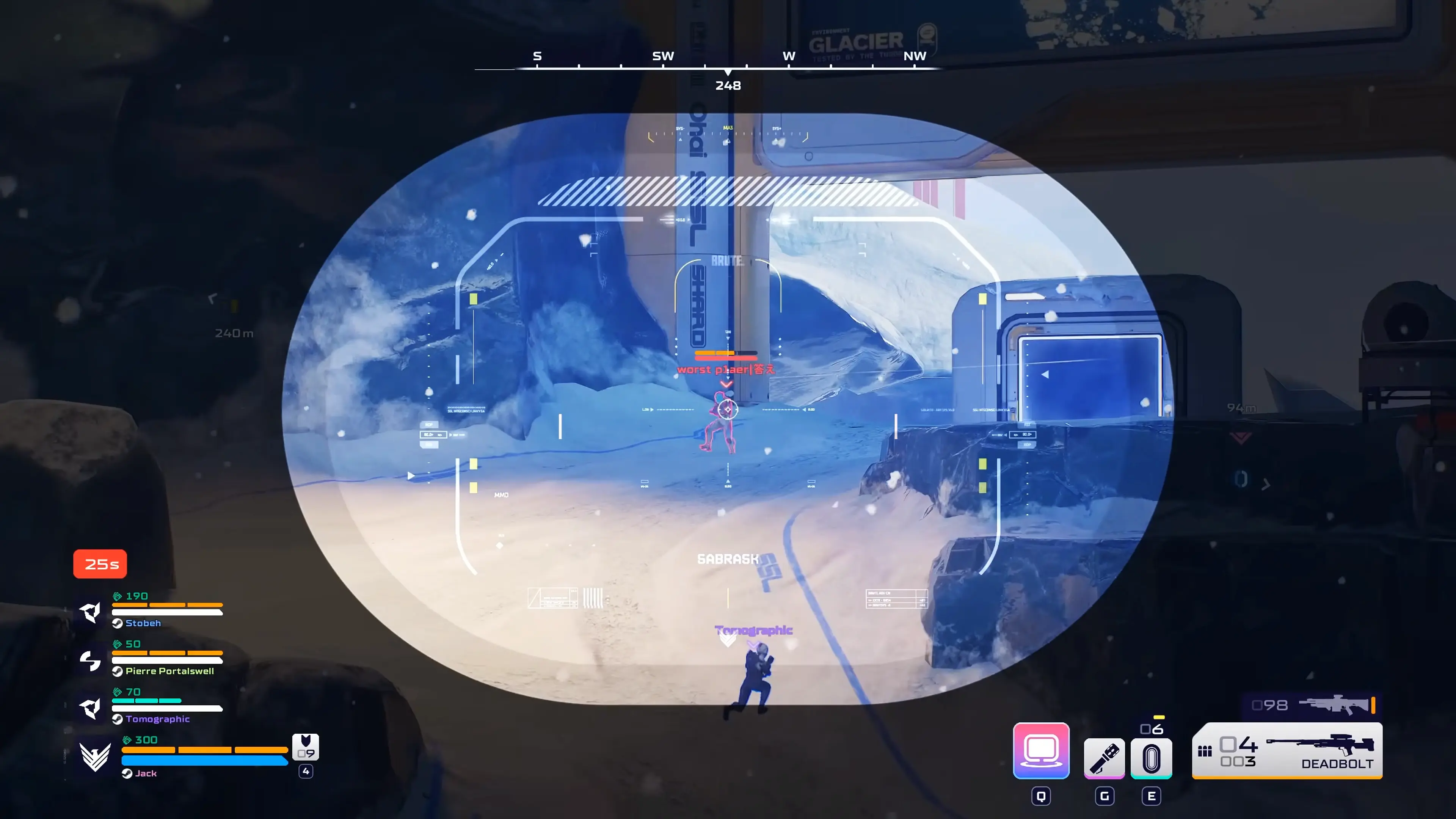
Battle Royale introduced longer matches and larger player counts, increasing both scale and cognitive load. The HUD and game flow were built to adapt across exploration, combat, and endgame — maintaining clarity as the match evolved.
A flexible, mode-aware framework keeps players oriented through shifting zones, live events, eliminations, and resource management without disrupting play.
Pre-Game
-
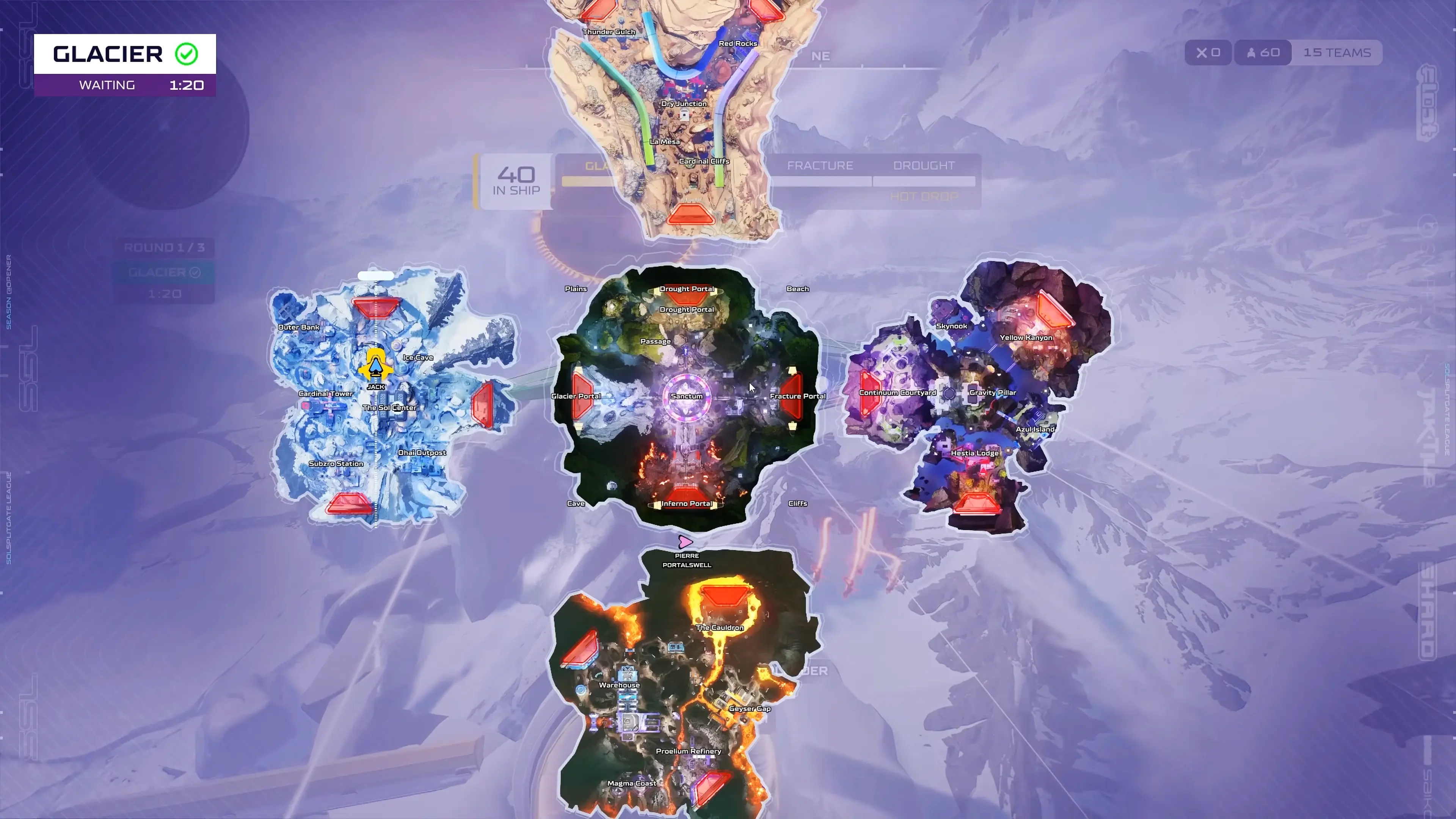
The pre-game phase supports fast commitment. Players select a faction, configure loadouts, scan the mega-map, and choose a landing strategy, structured for decisive action before the drop.
Core Game play
-
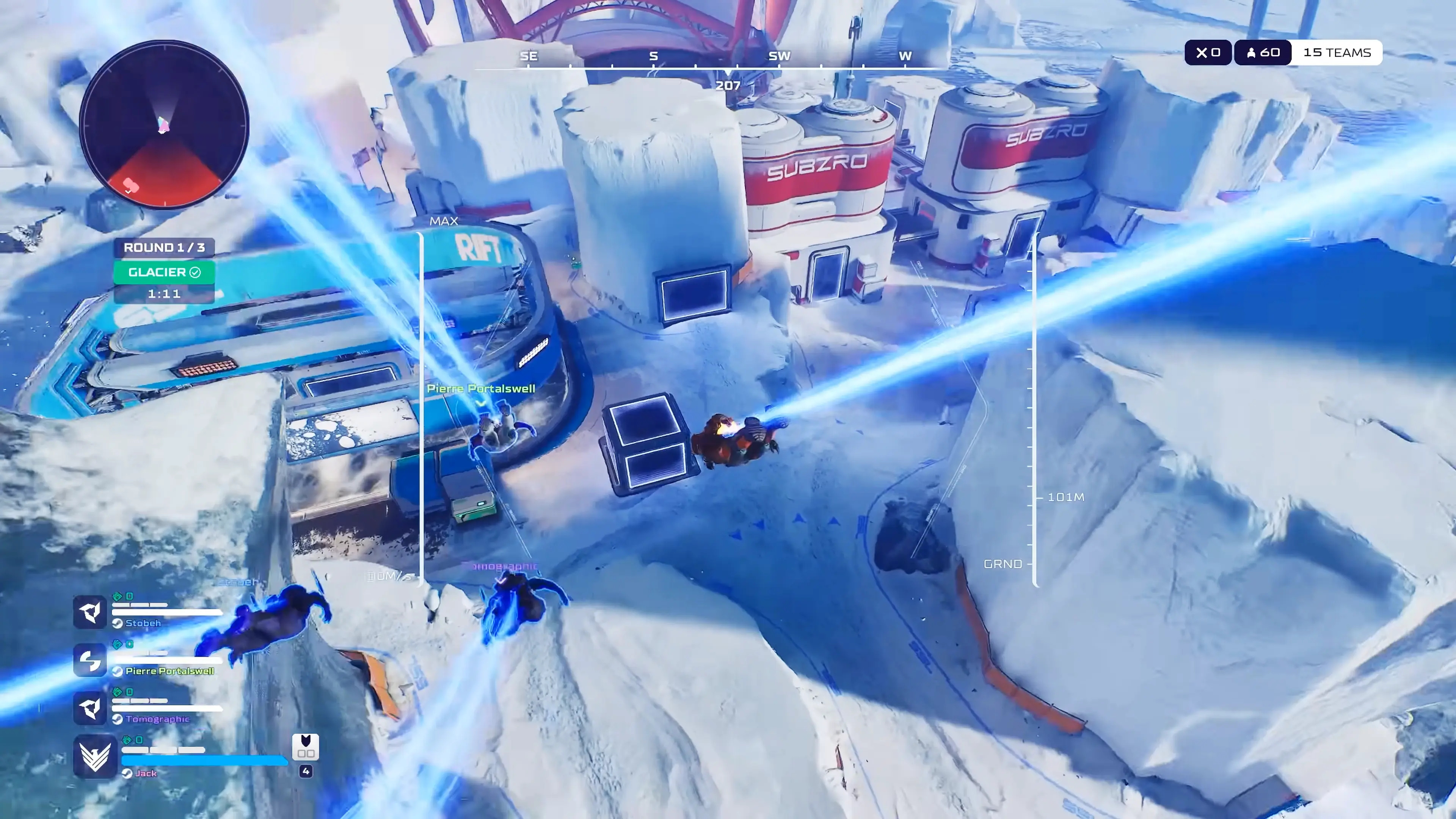
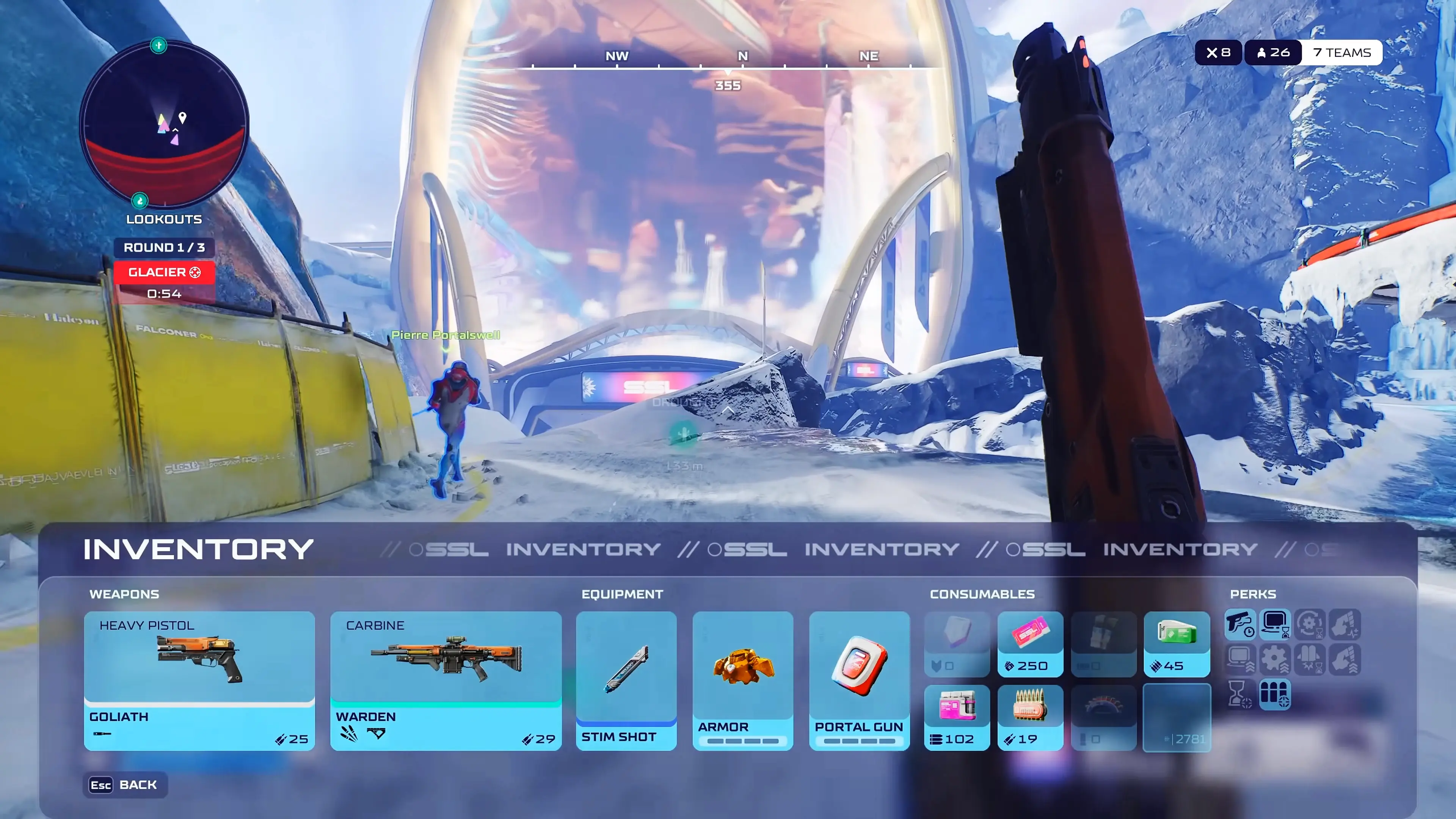
During active play, the system balances looting, inventory management, shop interactions, and combat awareness. Visual hierarchy prioritizes armor, perks, contested zones, and closing indicators while minimizing noise.
Mid & Post Game
-
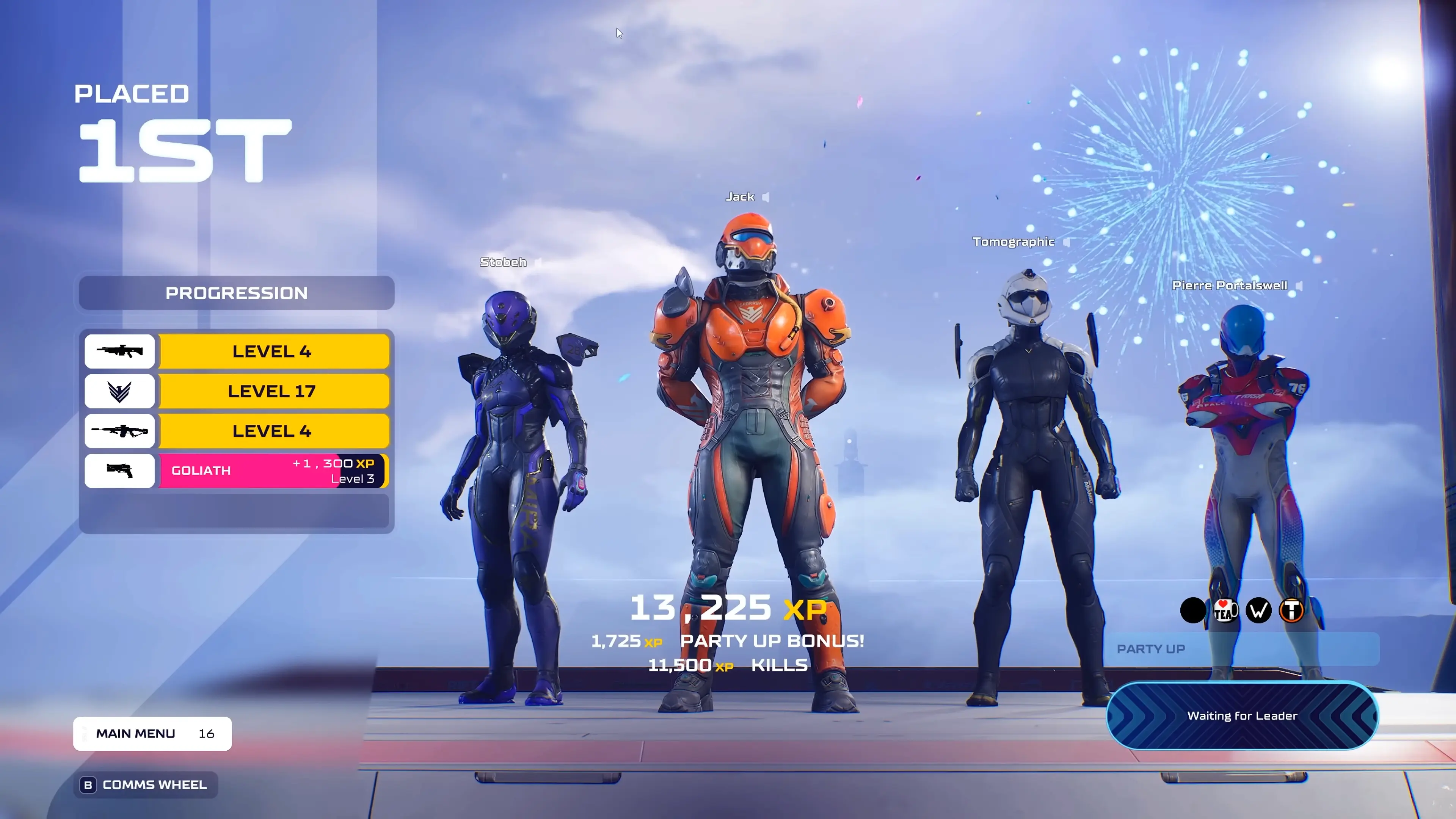
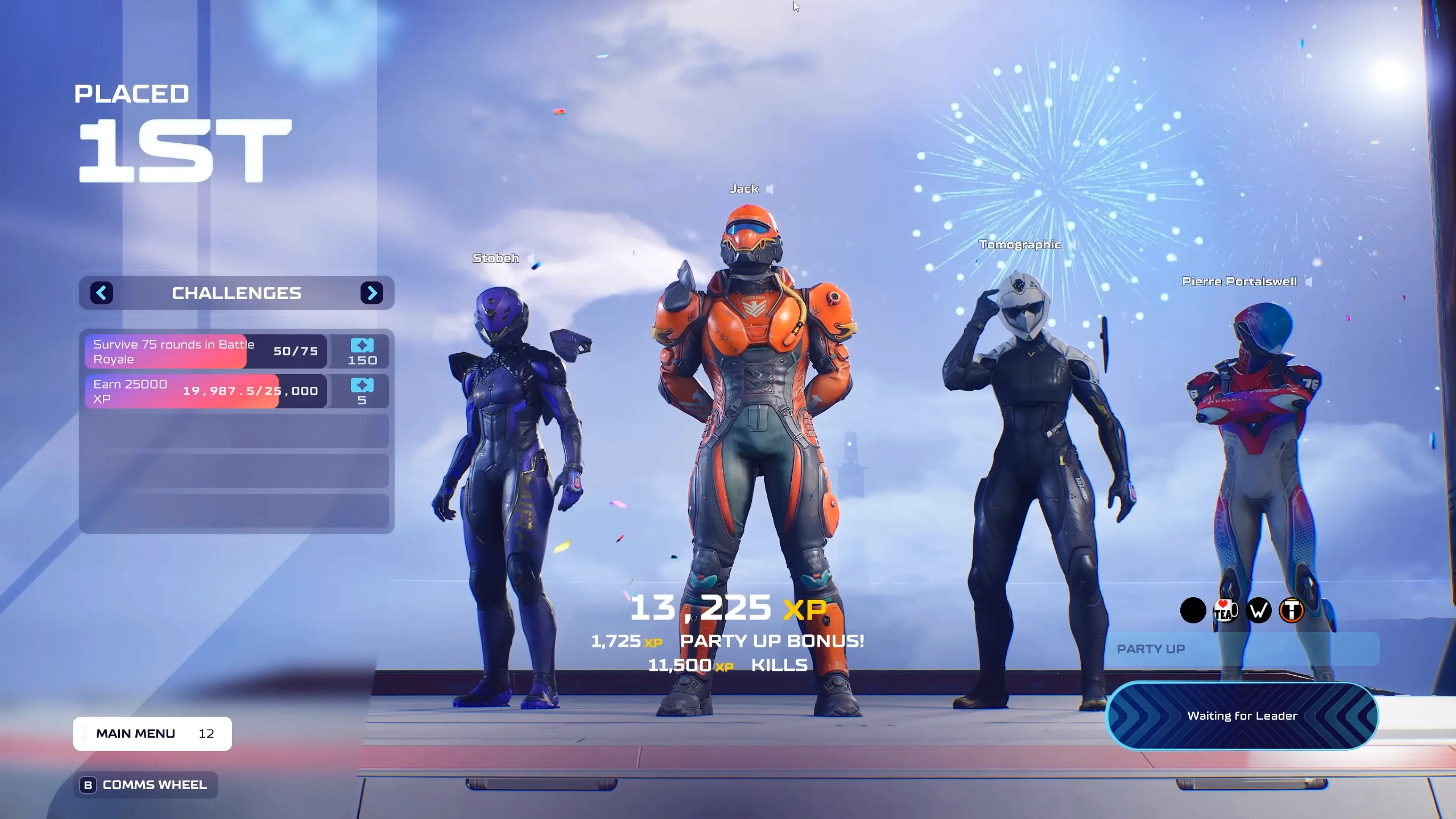
As the zone closes, the UI prioritizes remaining squads, zone pressure, and survivability. Post-match states highlight placement and progression, enabling spectate or rapid re-queue, preserving continuity between matches.
Gameplay
-
/03
Battle Royale
-
Battle Royale introduced longer matches and larger player counts, increasing both scale and cognitive load. The HUD and game flow were built to adapt across exploration, combat, and endgame — maintaining clarity as the match evolved.
A flexible, mode-aware framework keeps players oriented through shifting zones, live events, eliminations, and resource management without disrupting play.
Pre-Game
-
The pre-game phase supports fast commitment. Players select a faction, configure loadouts, scan the mega-map, and choose a landing strategy, structured for decisive action before the drop.
Core Game play
-
During active play, the system balances looting, inventory management, shop interactions, and combat awareness. Visual hierarchy prioritizes armor, perks, contested zones, and closing indicators while minimizing noise.
Mid & Post Game
-
As the zone closes, the UI prioritizes remaining squads, zone pressure, and survivability. Post-match states highlight placement and progression, enabling spectate or rapid re-queue, preserving continuity between matches.
Gameplay
-
/03
Battle Royale
-
Battle Royale introduced longer matches and larger player counts, increasing both scale and cognitive load. The HUD and game flow were built to adapt across exploration, combat, and endgame — maintaining clarity as the match evolved.
A flexible, mode-aware framework keeps players oriented through shifting zones, live events, eliminations, and resource management without disrupting play.
Pre-Game
-
The pre-game phase supports fast commitment. Players select a faction, configure loadouts, scan the mega-map, and choose a landing strategy, structured for decisive action before the drop.
Core Game play
-
During active play, the system balances looting, inventory management, shop interactions, and combat awareness. Visual hierarchy prioritizes armor, perks, contested zones, and closing indicators while minimizing noise.
Mid & Post Game
-
As the zone closes, the UI prioritizes remaining squads, zone pressure, and survivability. Post-match states highlight placement and progression, enabling spectate or rapid re-queue, preserving continuity between matches.
(check CMS context / gallery slot)
Pre-Game
Core Game play
(check CMS context / gallery slot)
(check CMS context / gallery slot)
Mid & Post Game
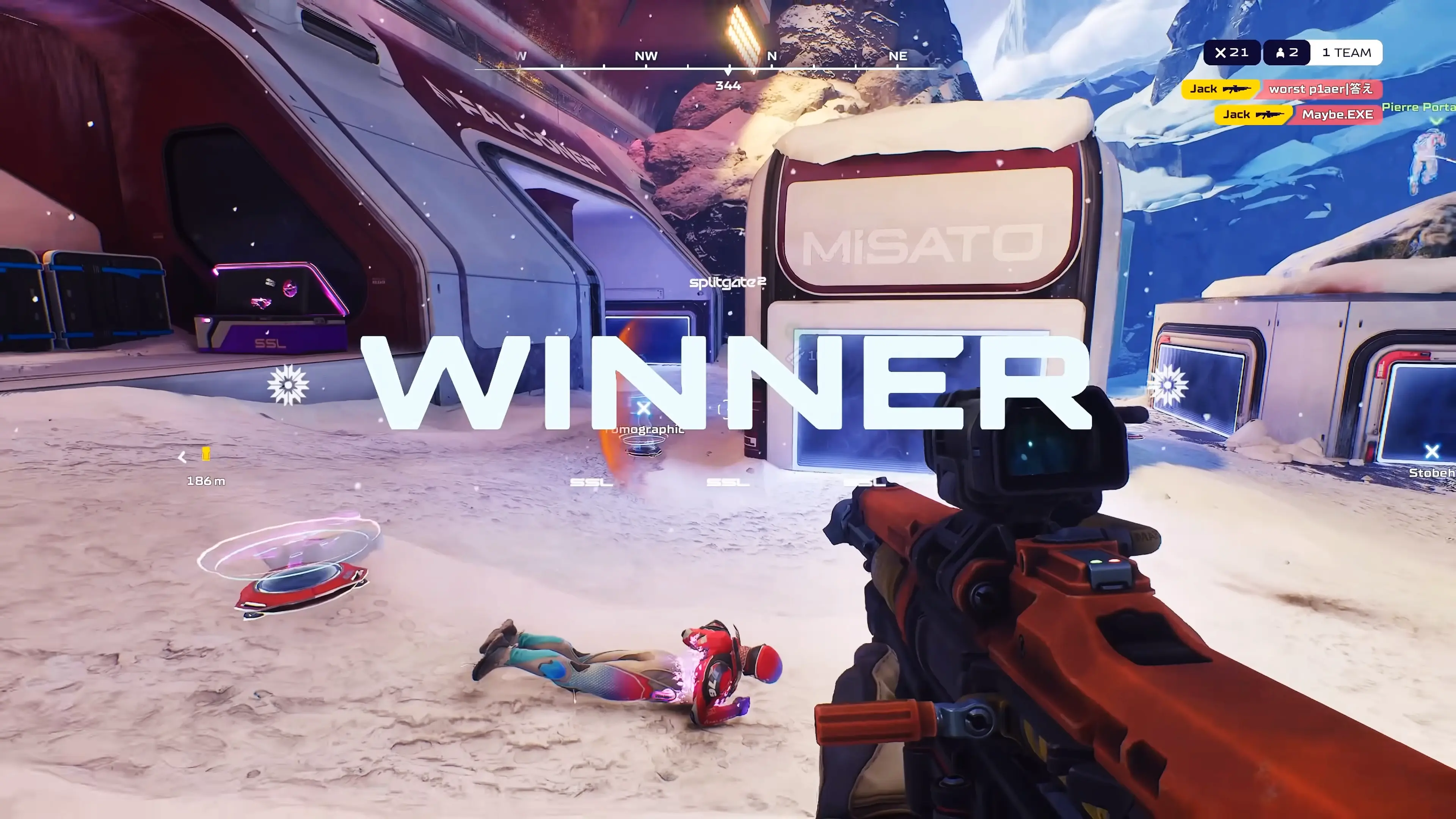
(check CMS context / gallery slot)
Scaling the system without increasing weight.
Battle Royale expanded match length, player count, and decision density. The interface evolved to support larger maps, live events, and shifting zones — while remaining clear and lightweight.
A scalable framework allowed the mode to flex without fragmenting the experience, preserving brand cohesion across Arena and BR.
-
/03
Battle Royale
Scaling the system without increasing weight.
Battle Royale expanded match length, player count, and decision density. The interface evolved to support larger maps, live events, and shifting zones — while remaining clear and lightweight.
A scalable framework allowed the mode to flex without fragmenting the experience, preserving brand cohesion across Arena and BR.
-
/03
Battle Royale
Front End
-
/04
Front End Menus
-
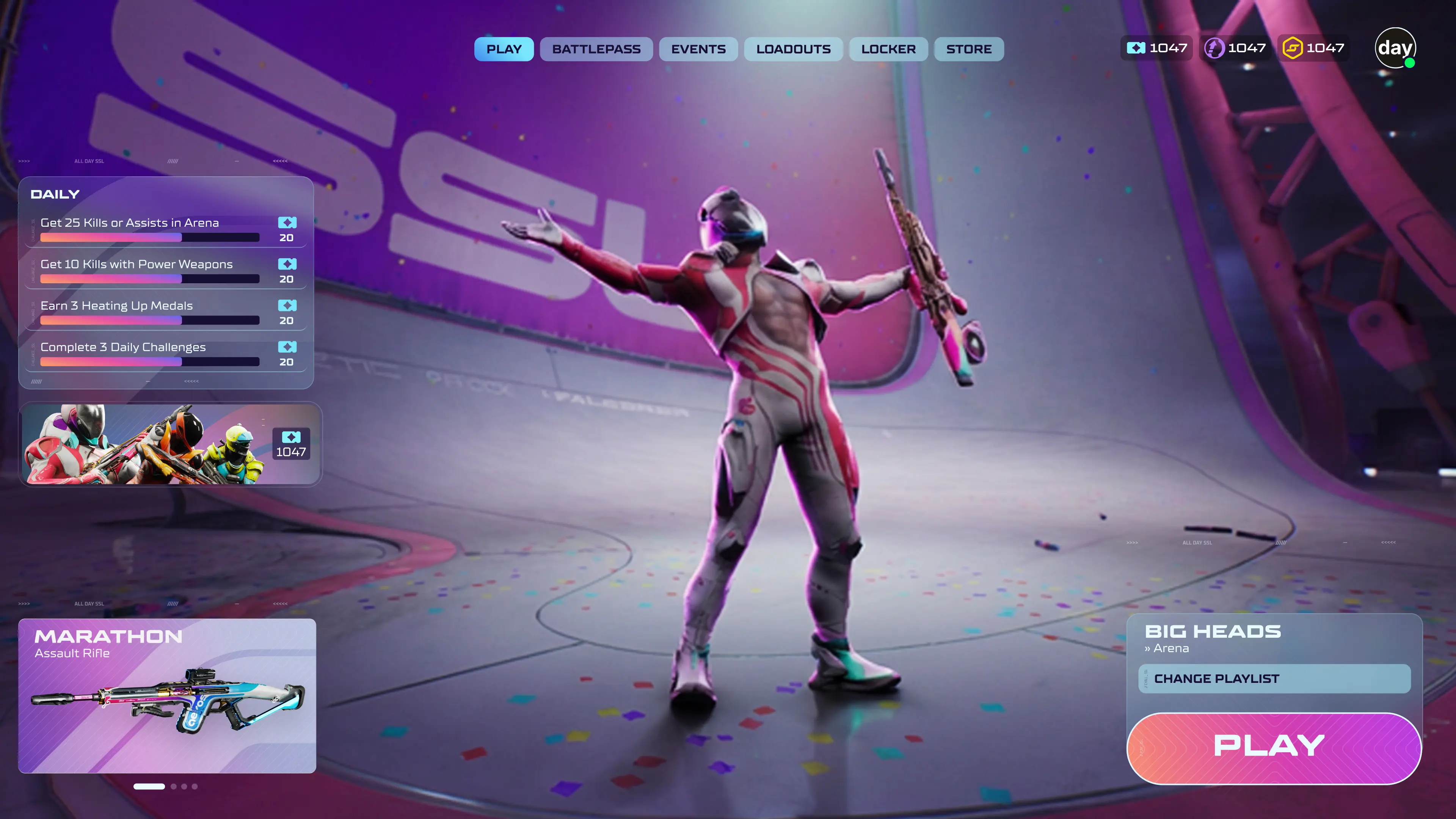
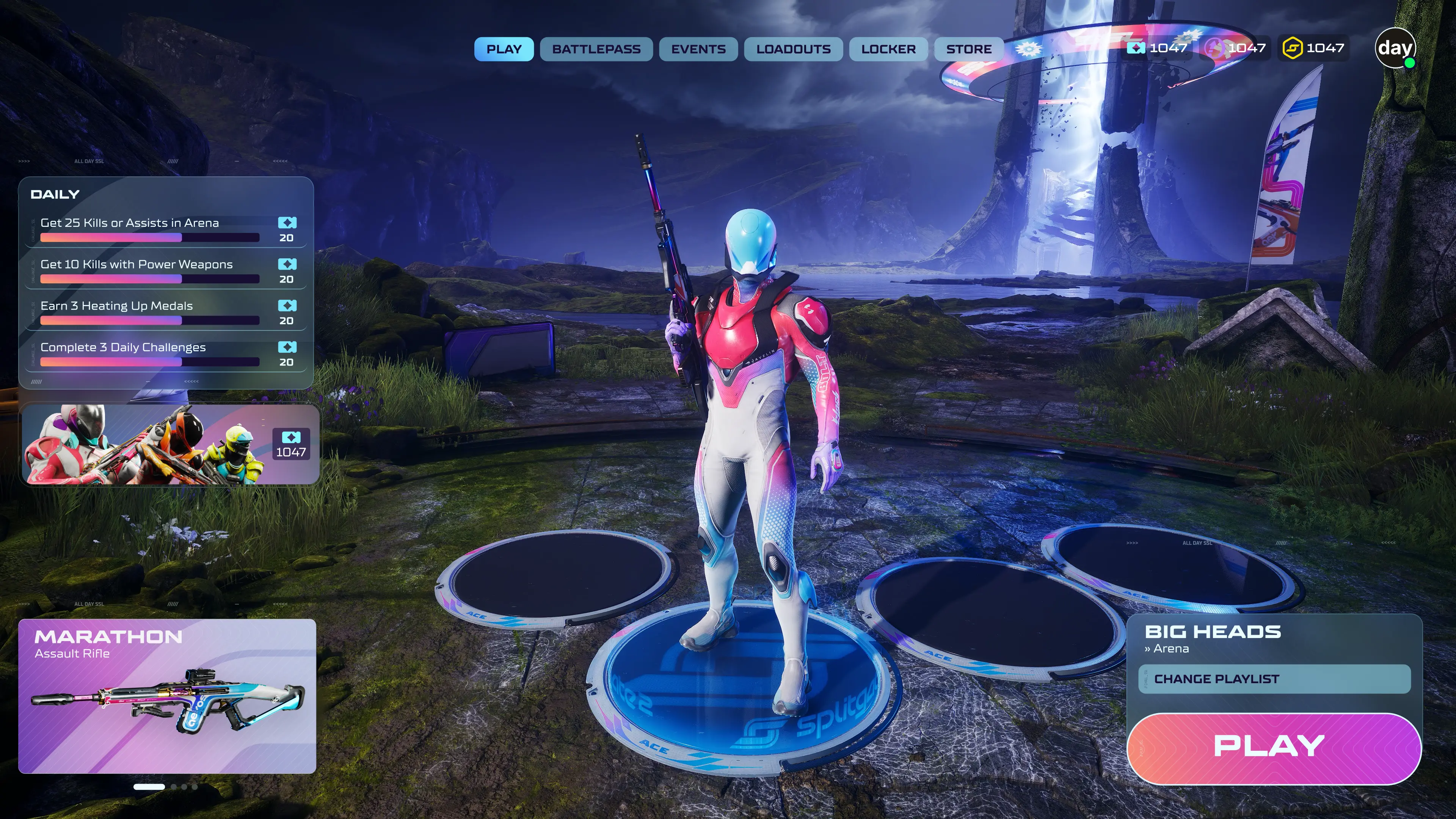
The front end operates as a unified system, connecting identity, progression, customization, and live content into a cohesive experience. Designed to scale with faction depth and seasonal updates, it remains lightweight and responsive, powerful without feeling heavy.
A custom 3D presentation layer supports dynamic actor and camera systems used to showcase factions, loadouts, cosmetics, and live events. The system was built with full localization support across multiple languages, ensuring consistency across the entire game
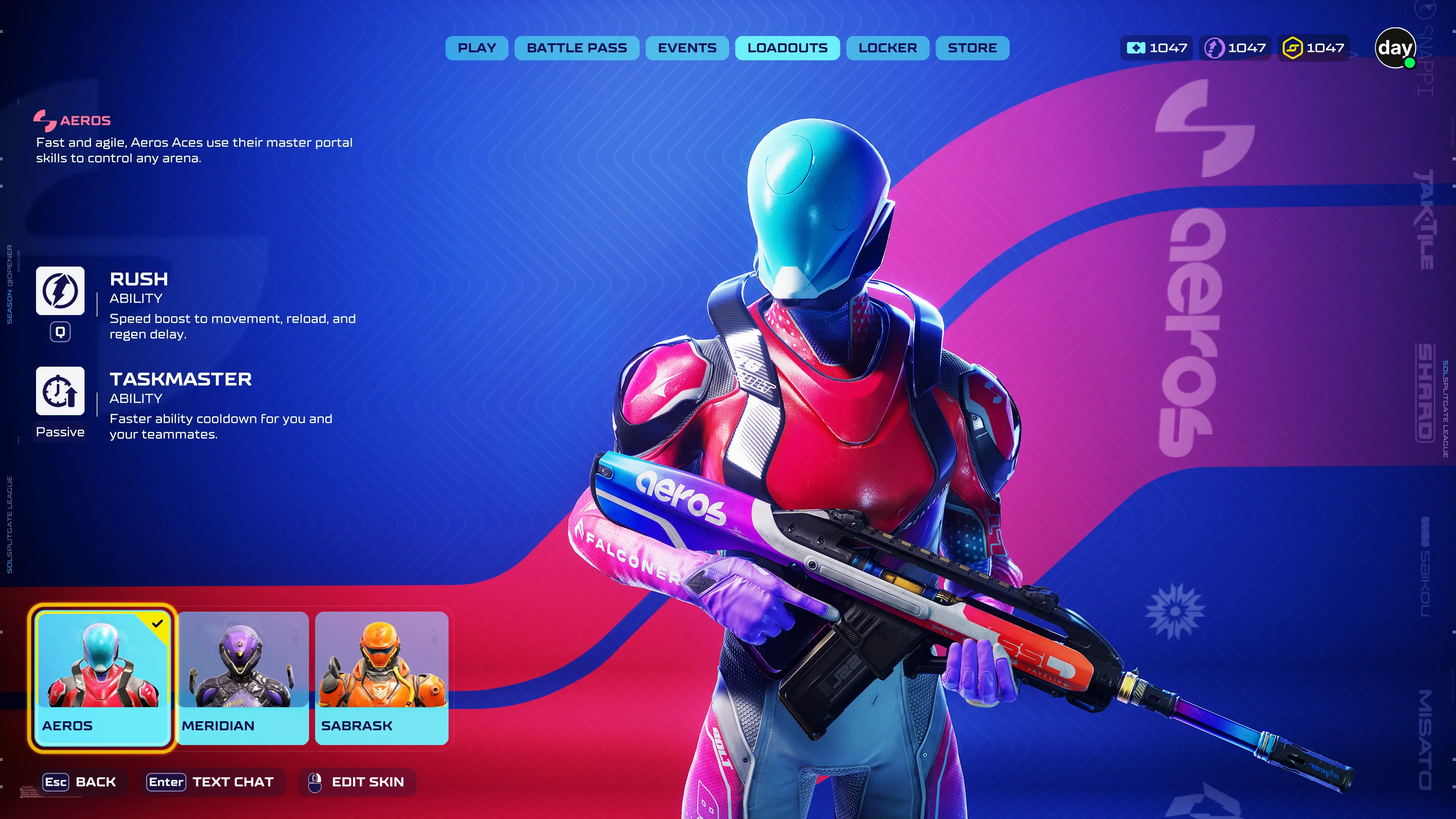
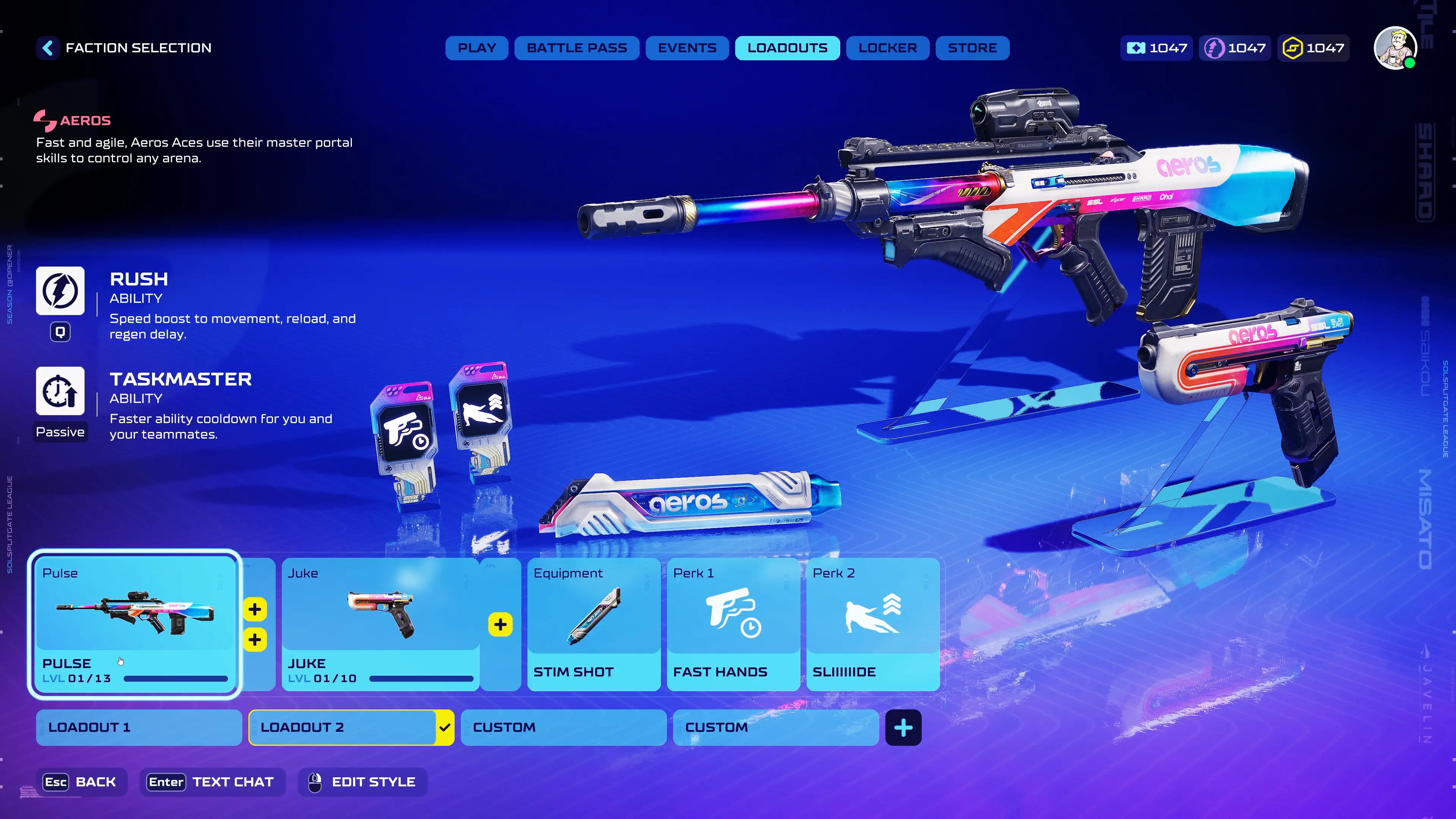
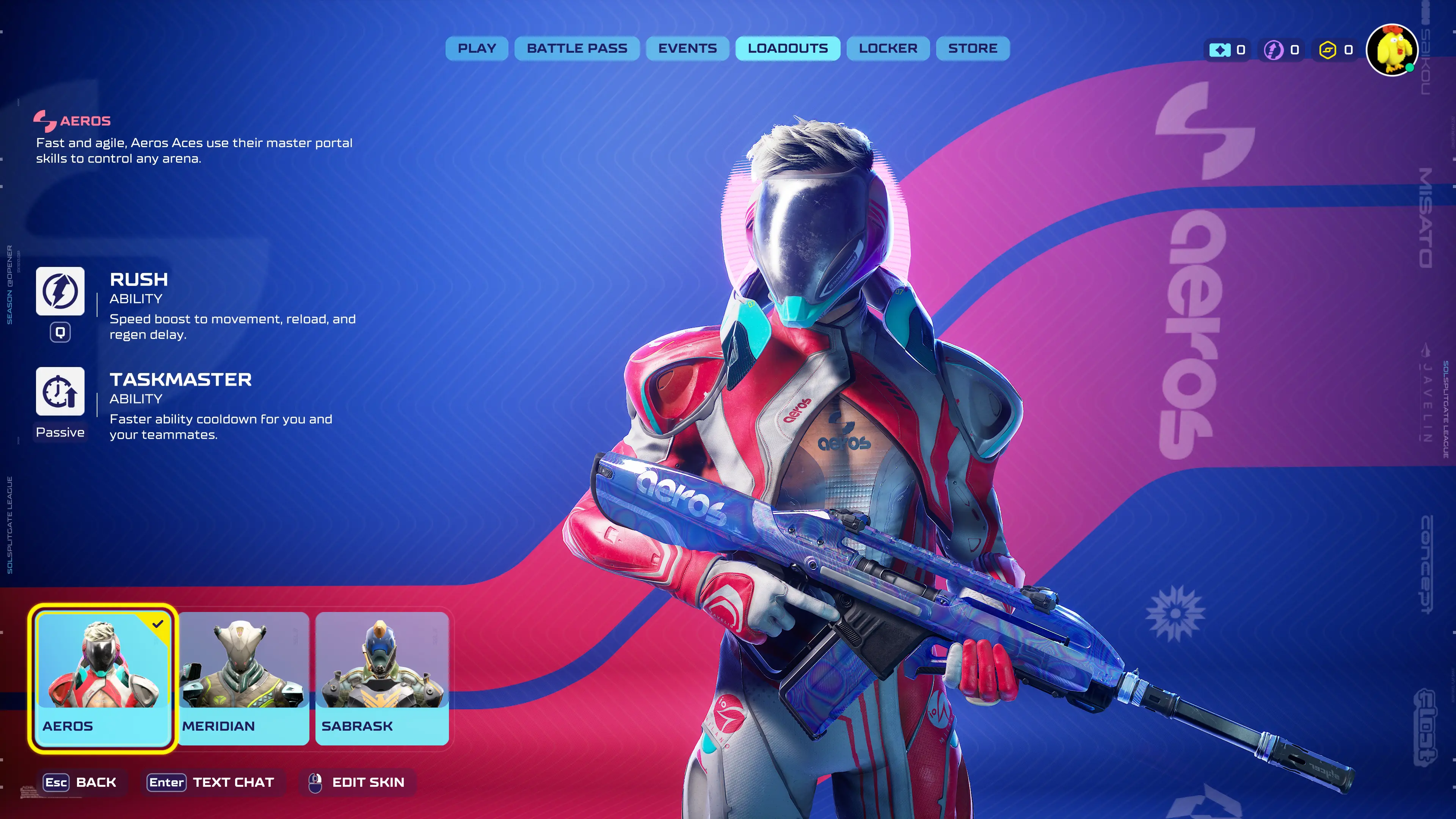
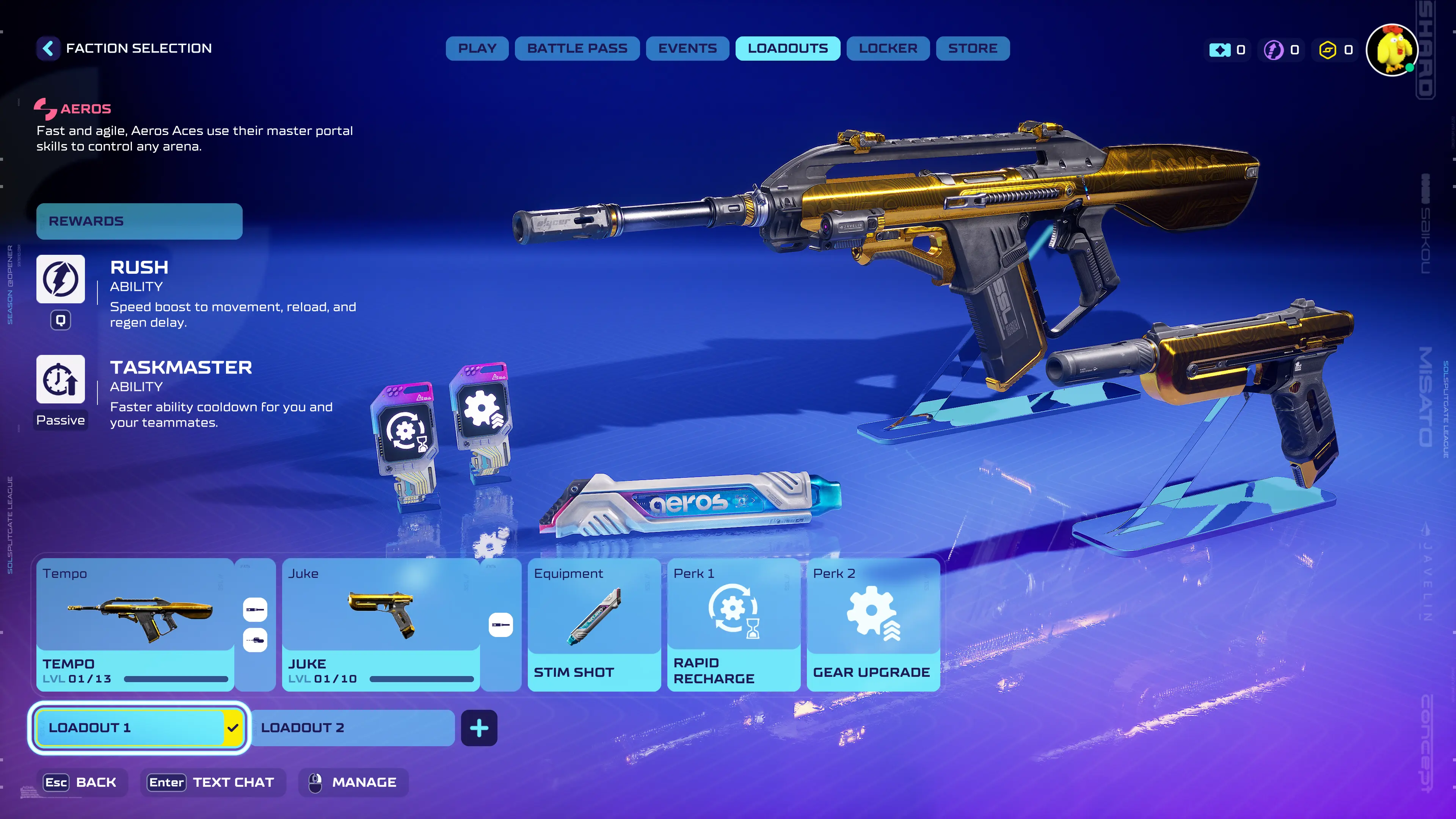
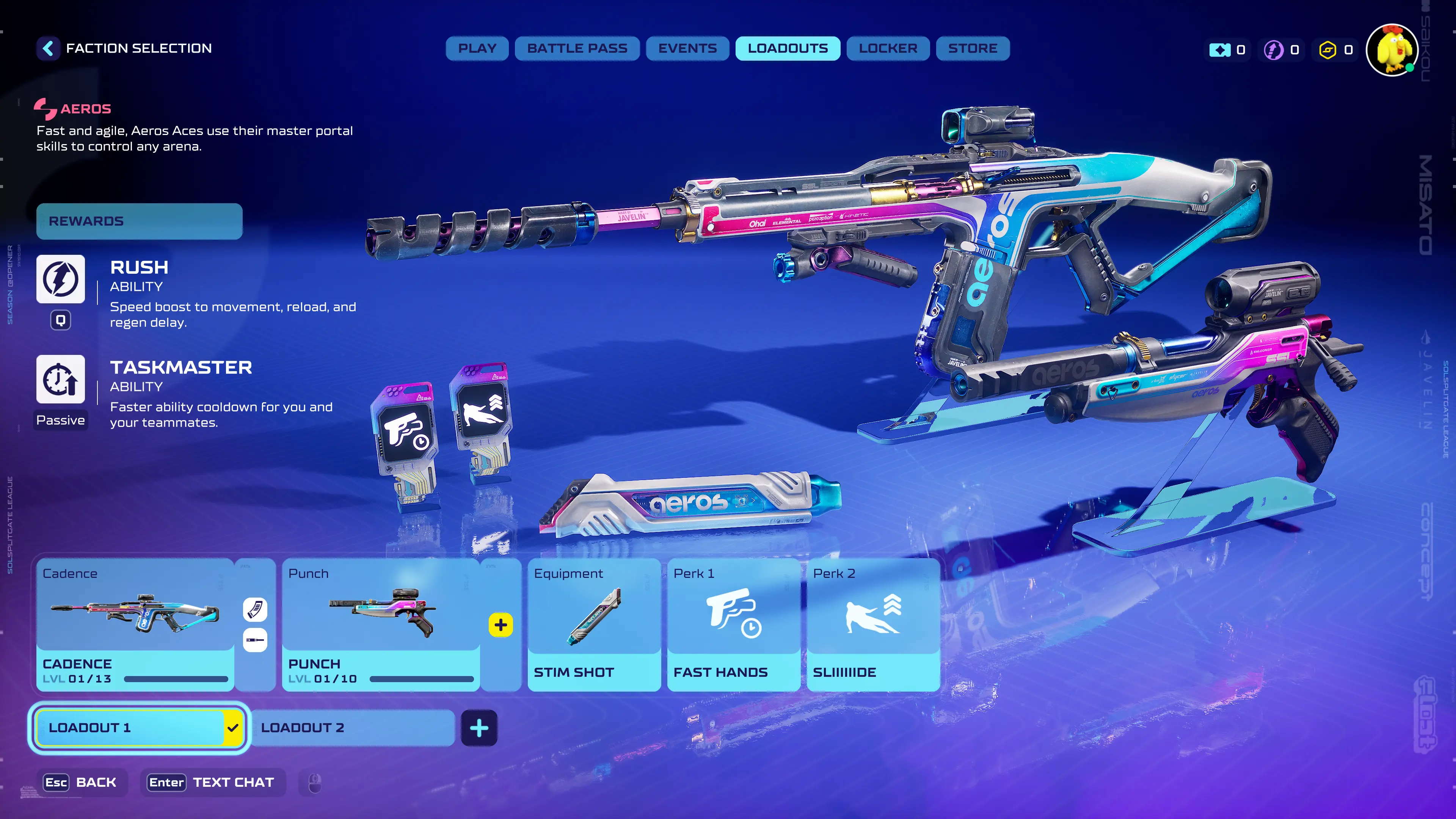
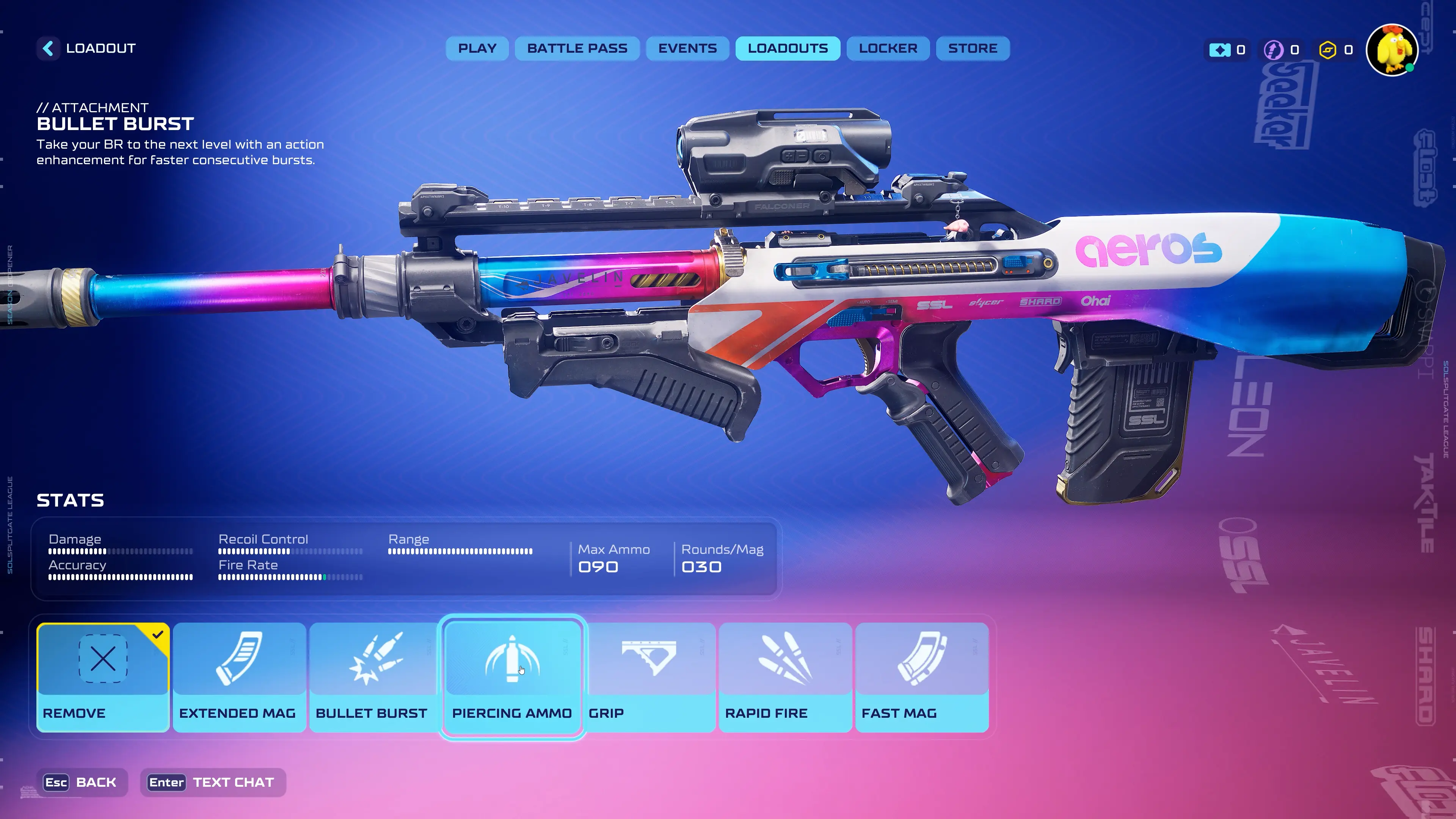
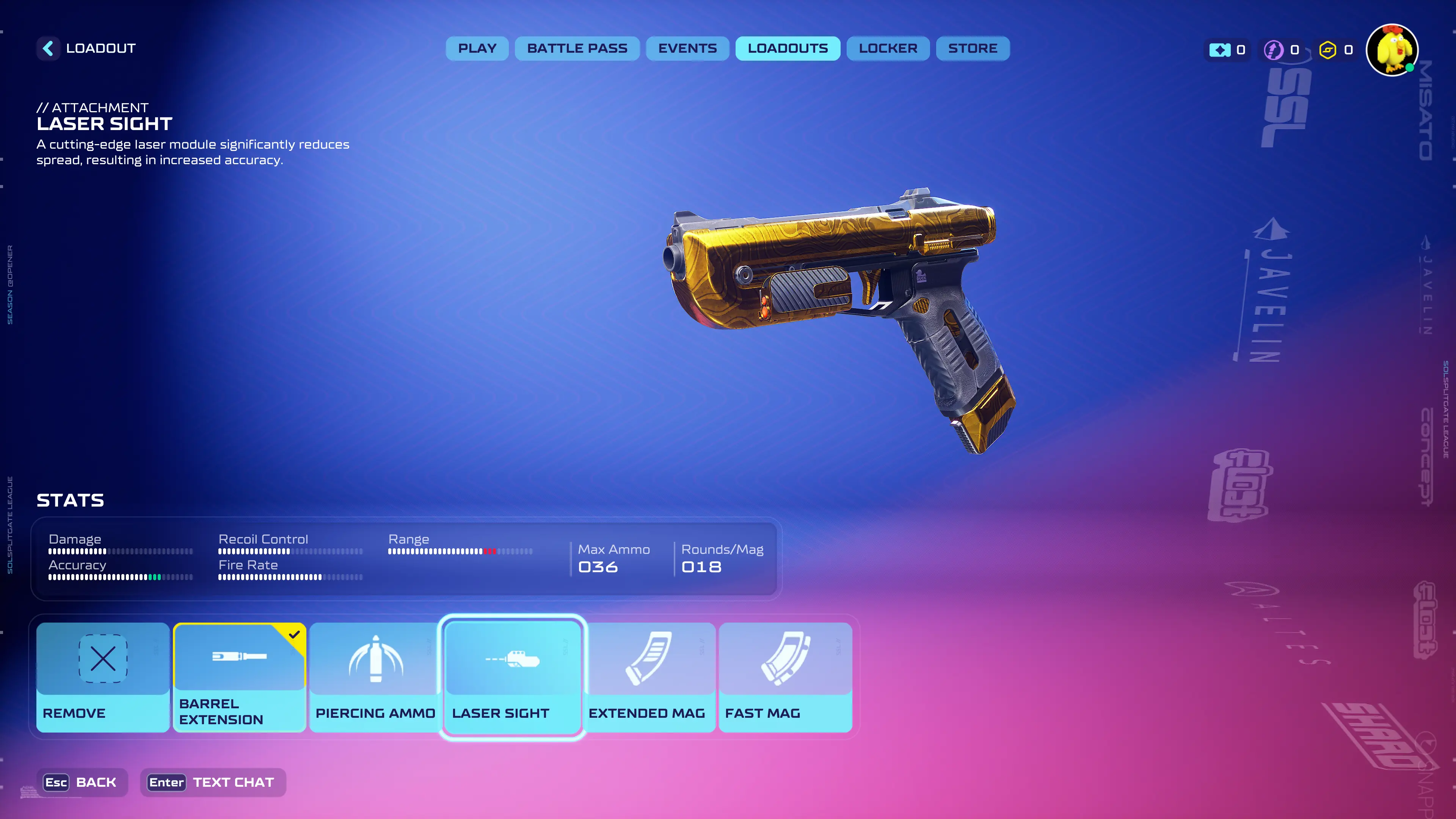
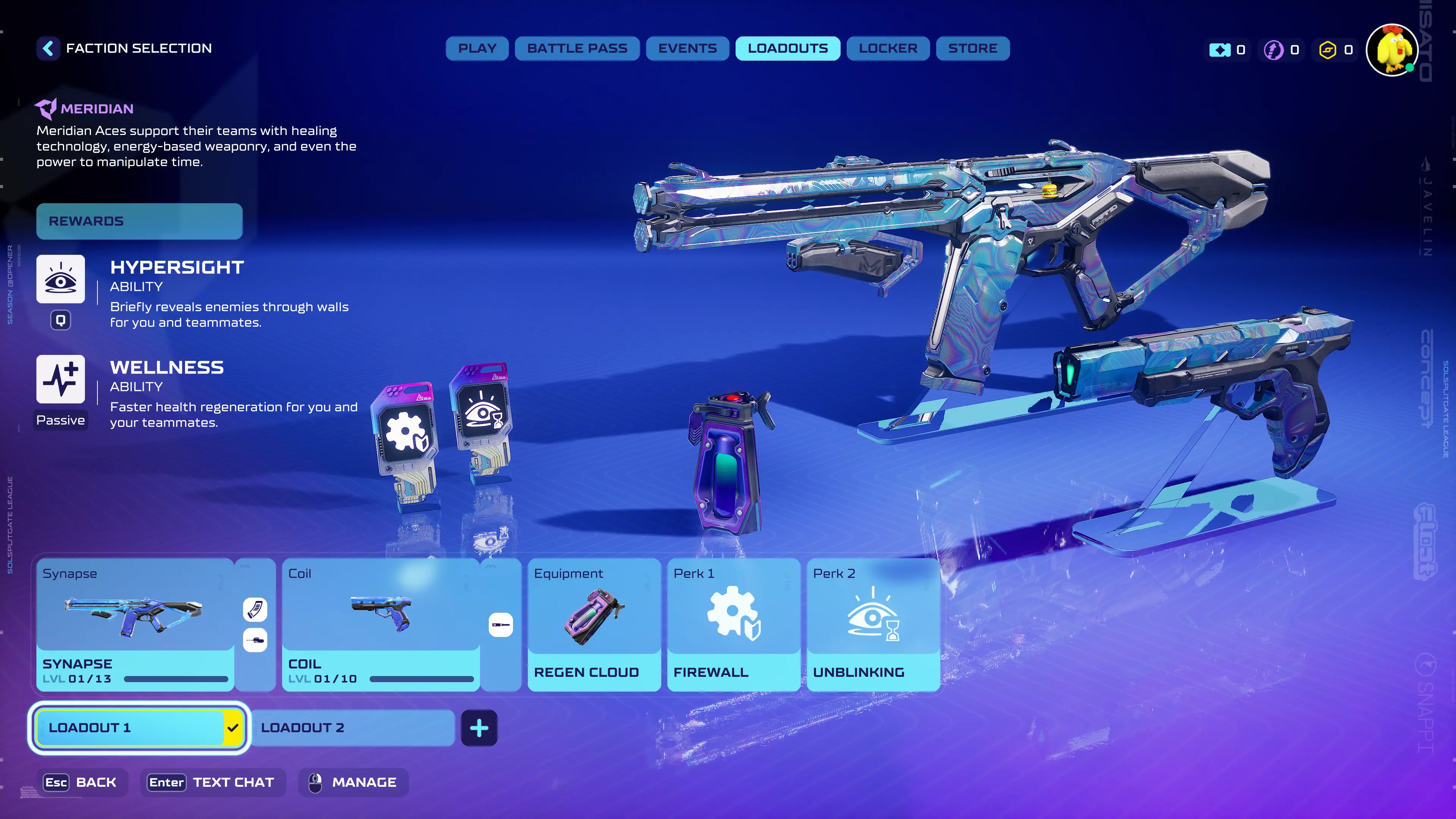
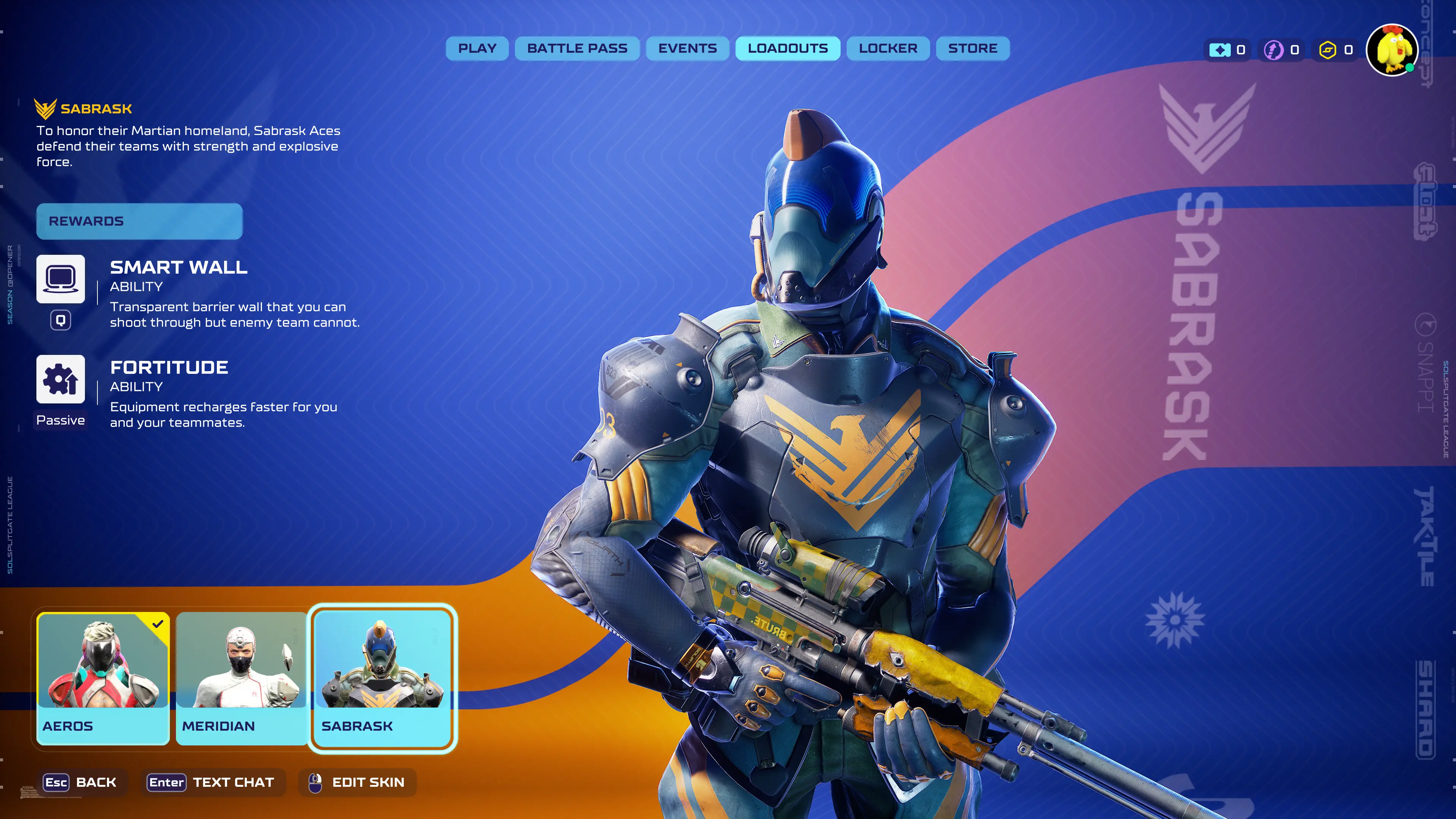
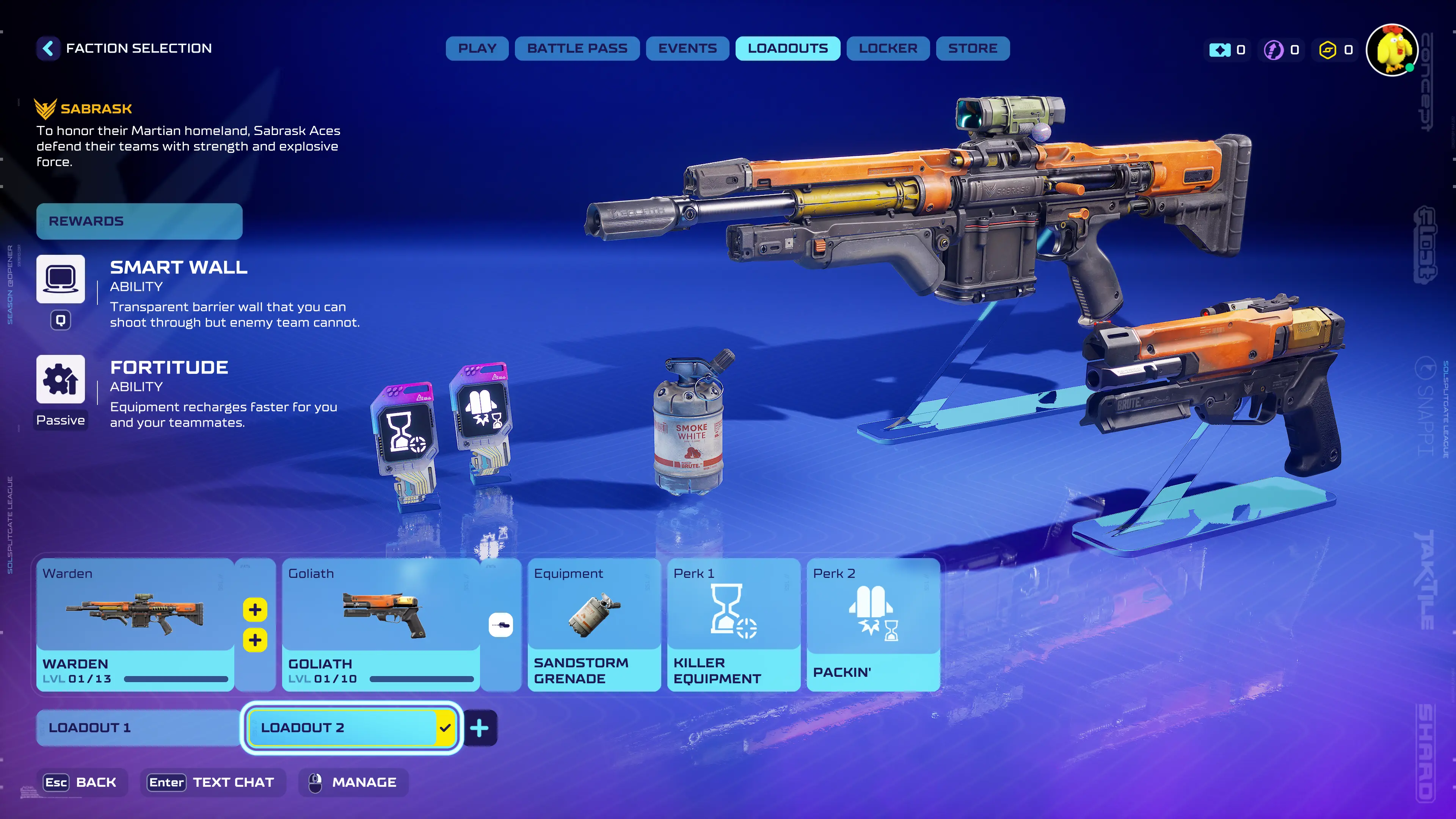
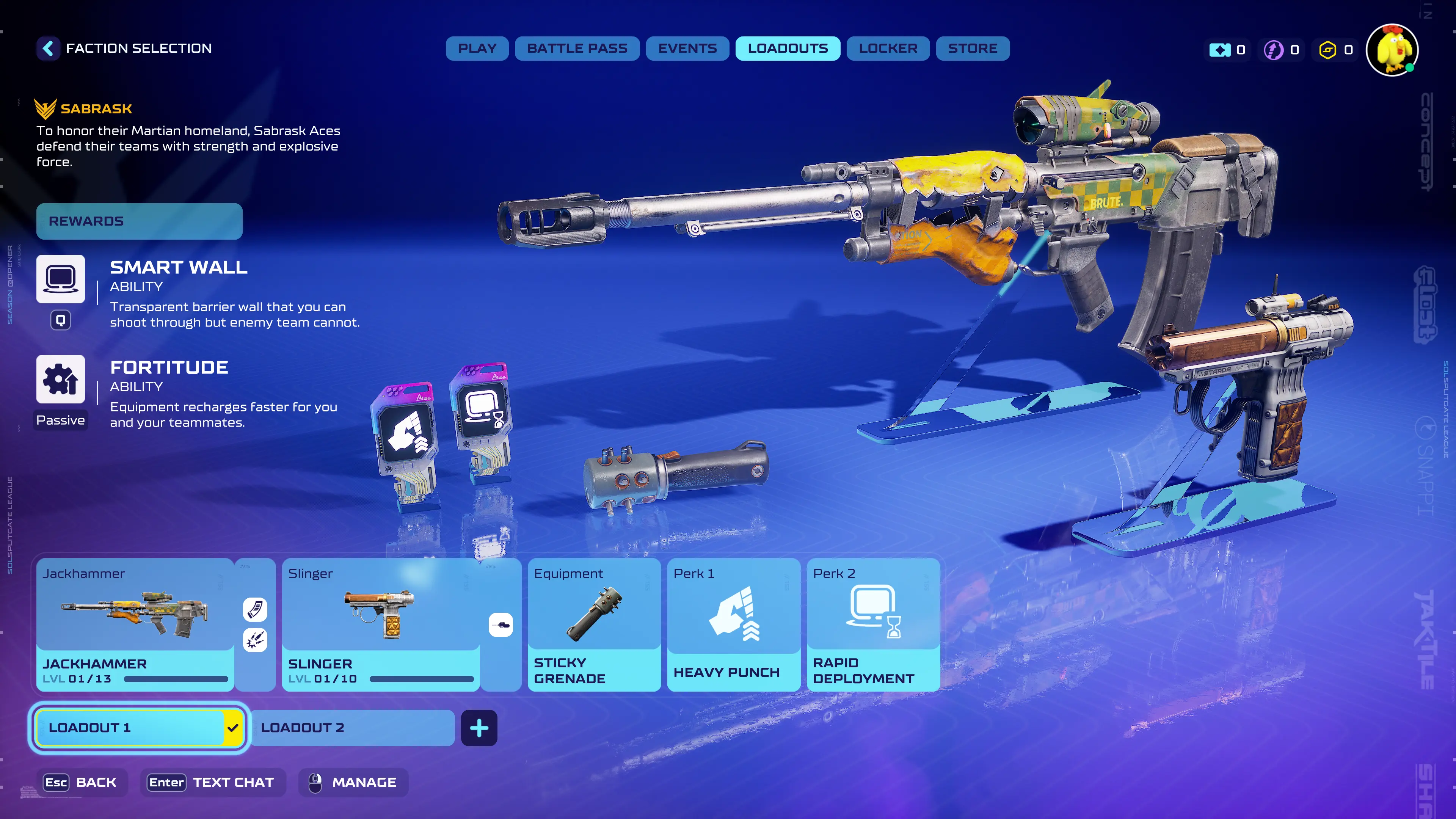
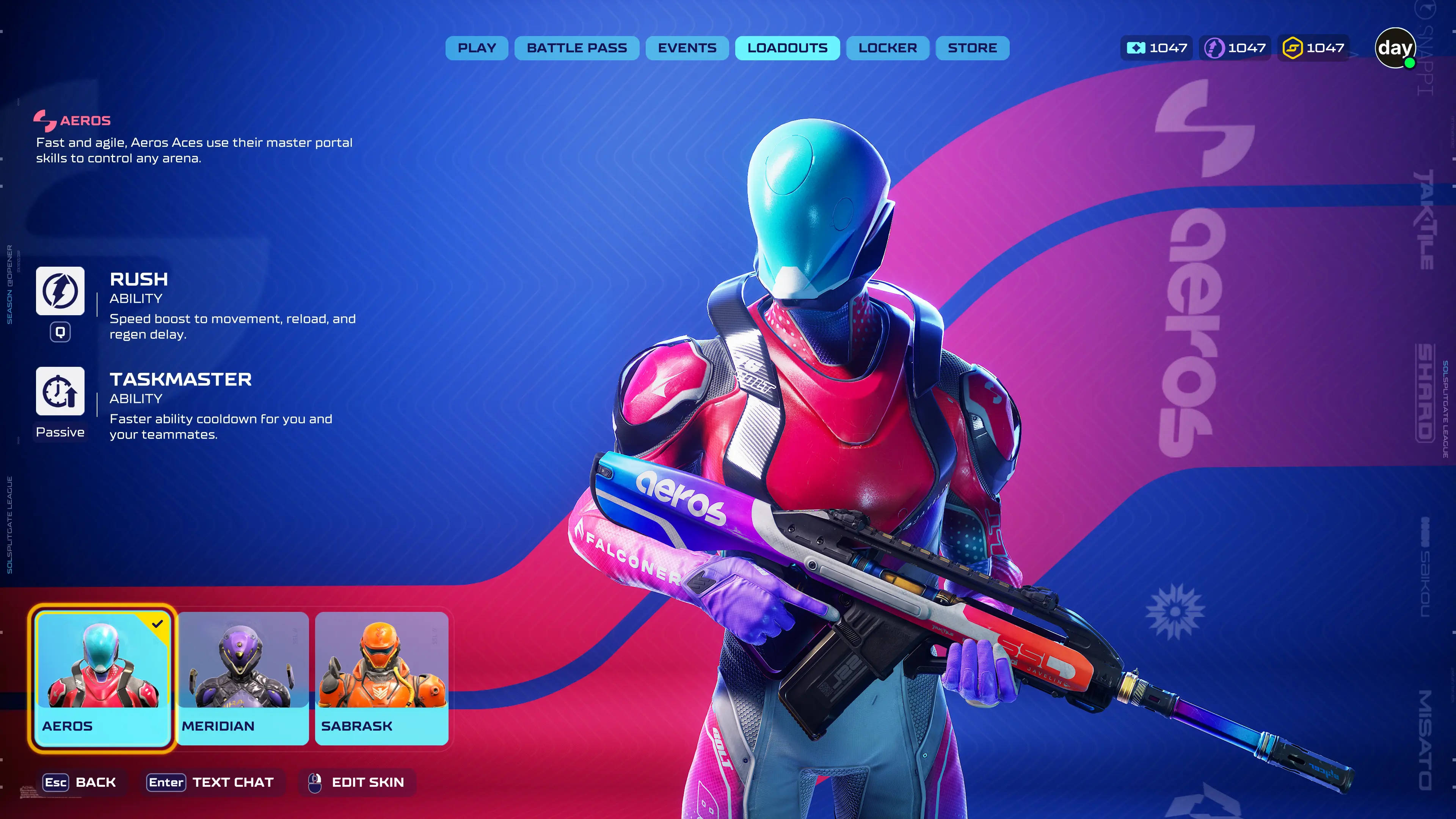
Loadout & Faction
-
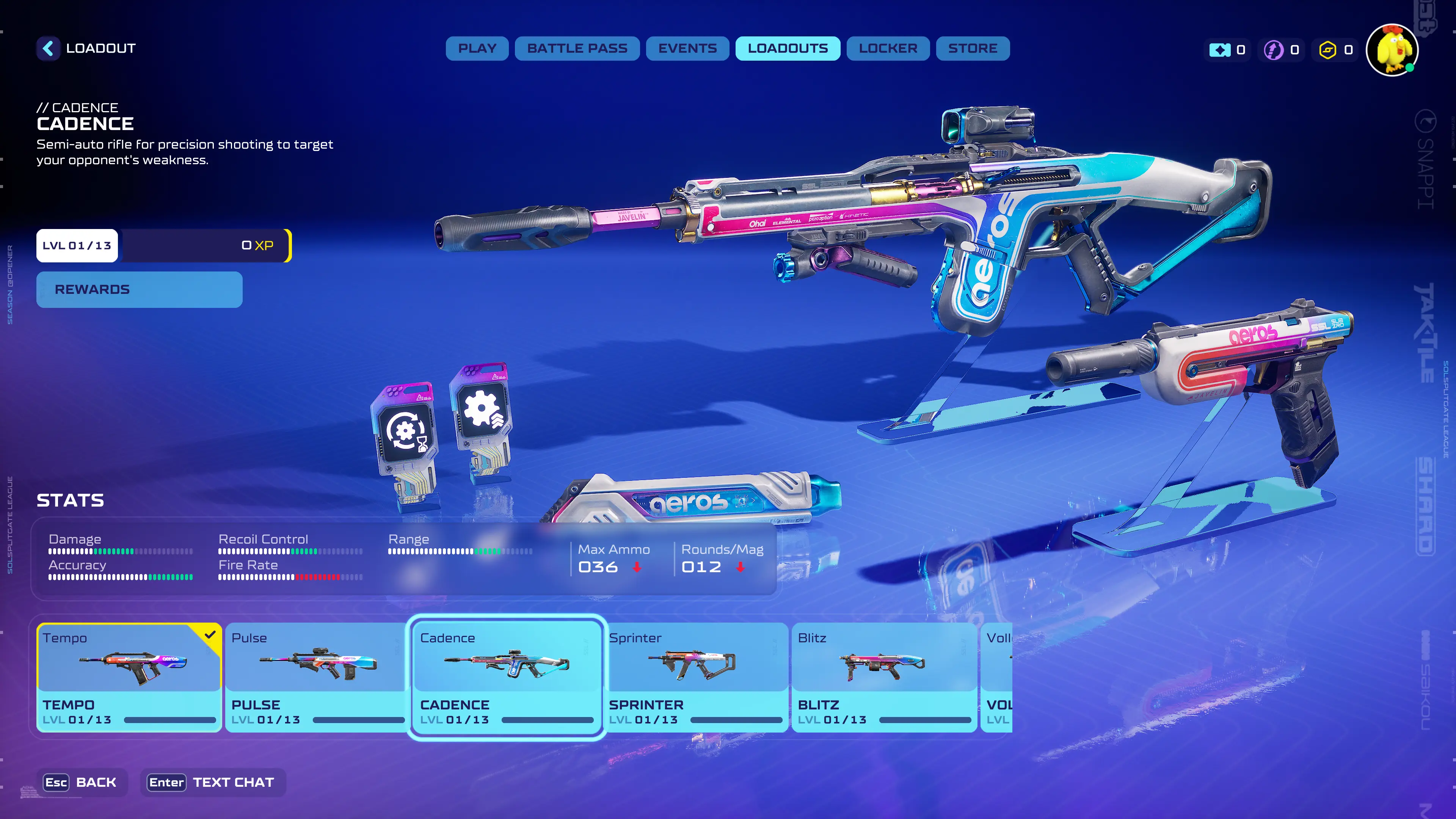
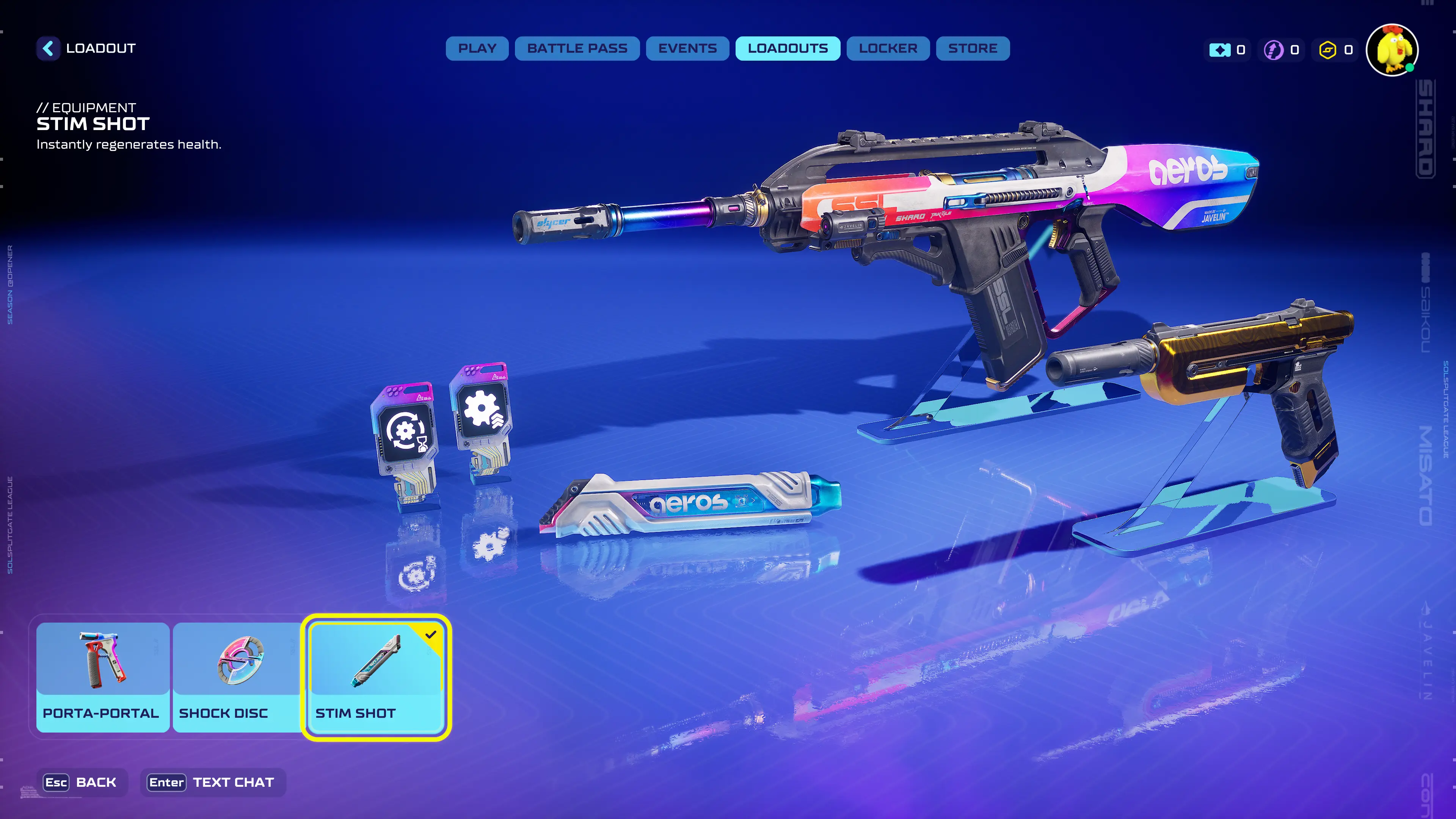
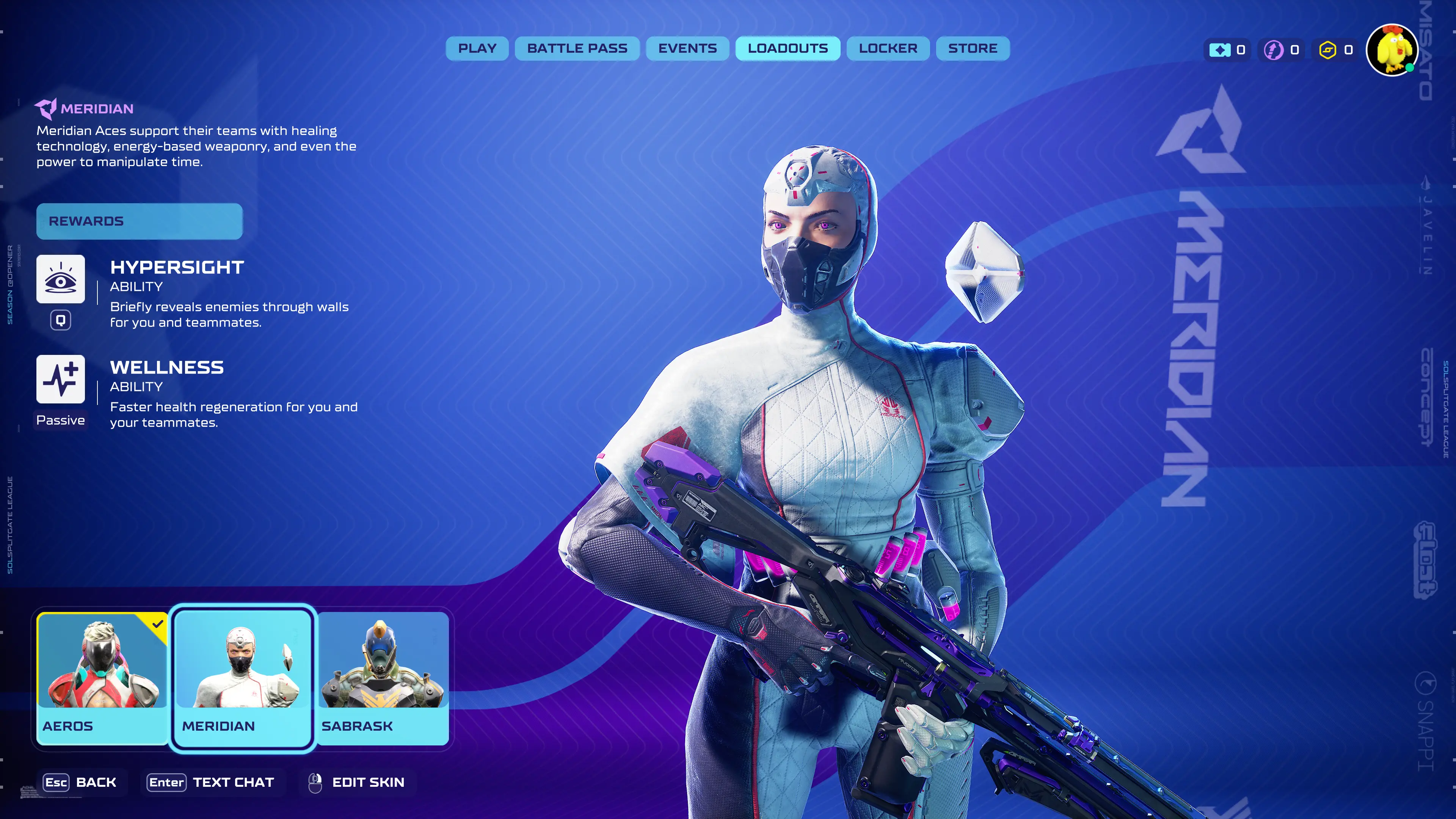
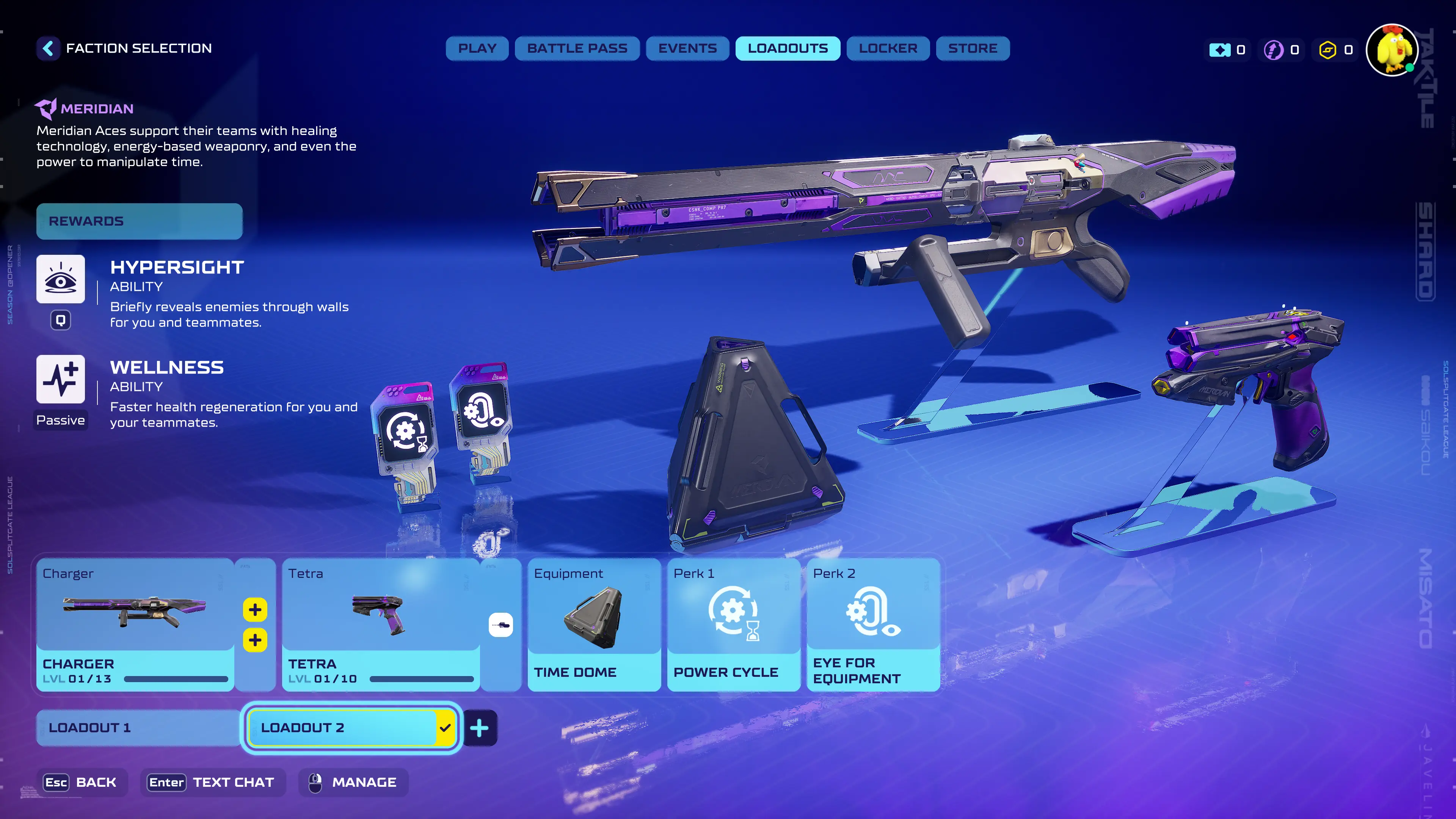
A dense configuration space built around three factions, each with unique weapons, attachments, equipment, and perks. Customization flows directly into the Locker, linking gameplay configuration with visual identity in a seamless loop.
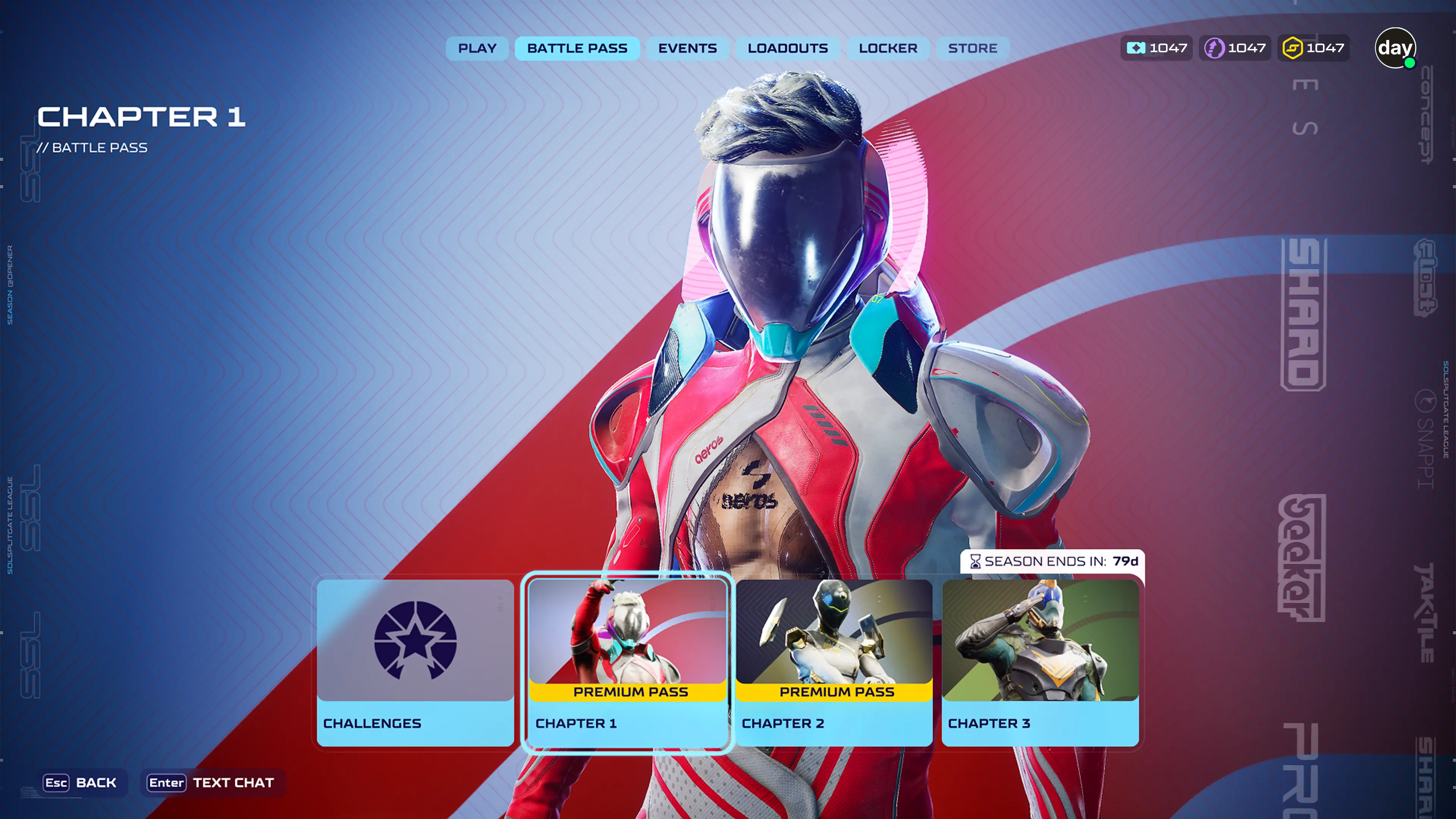
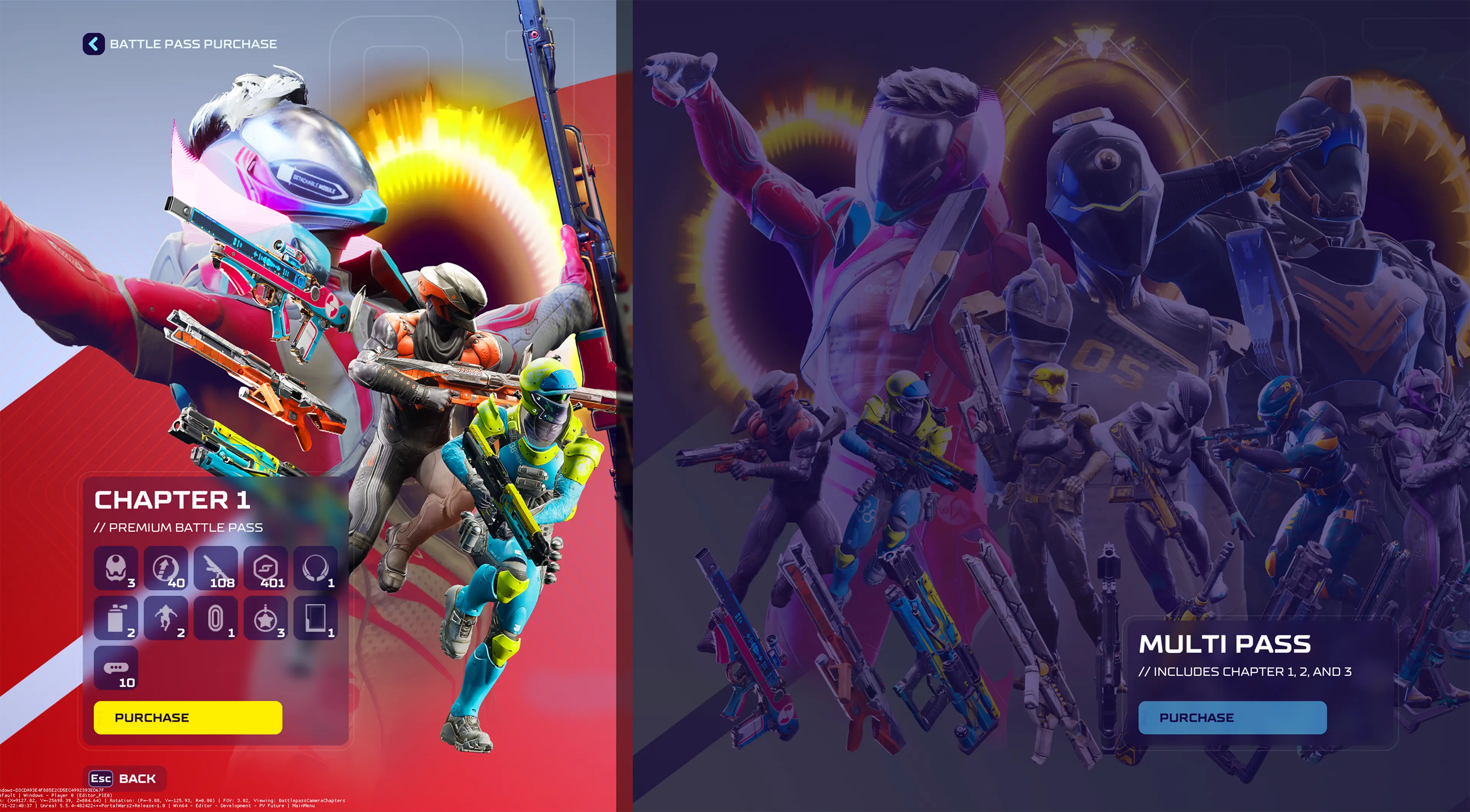
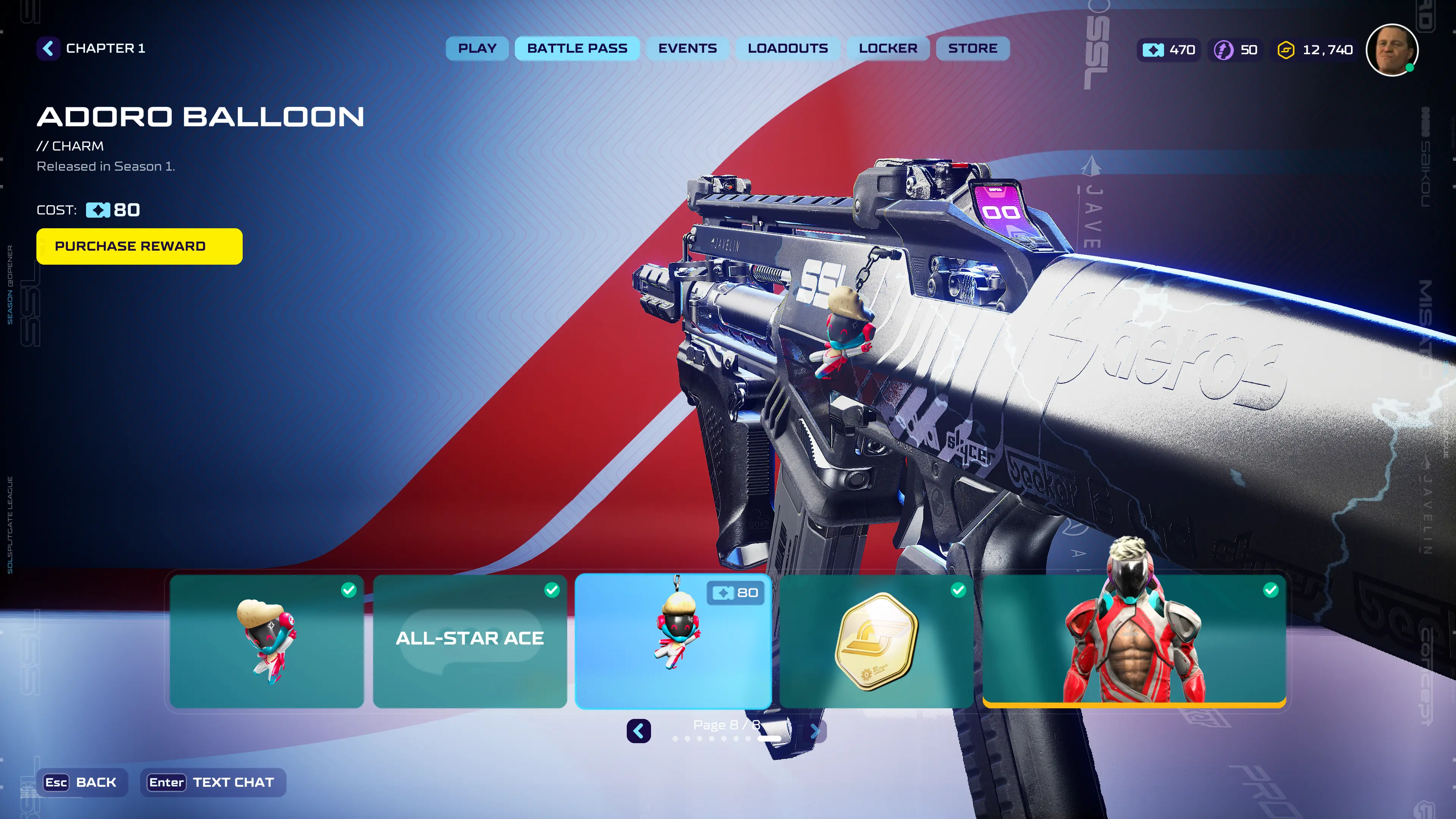
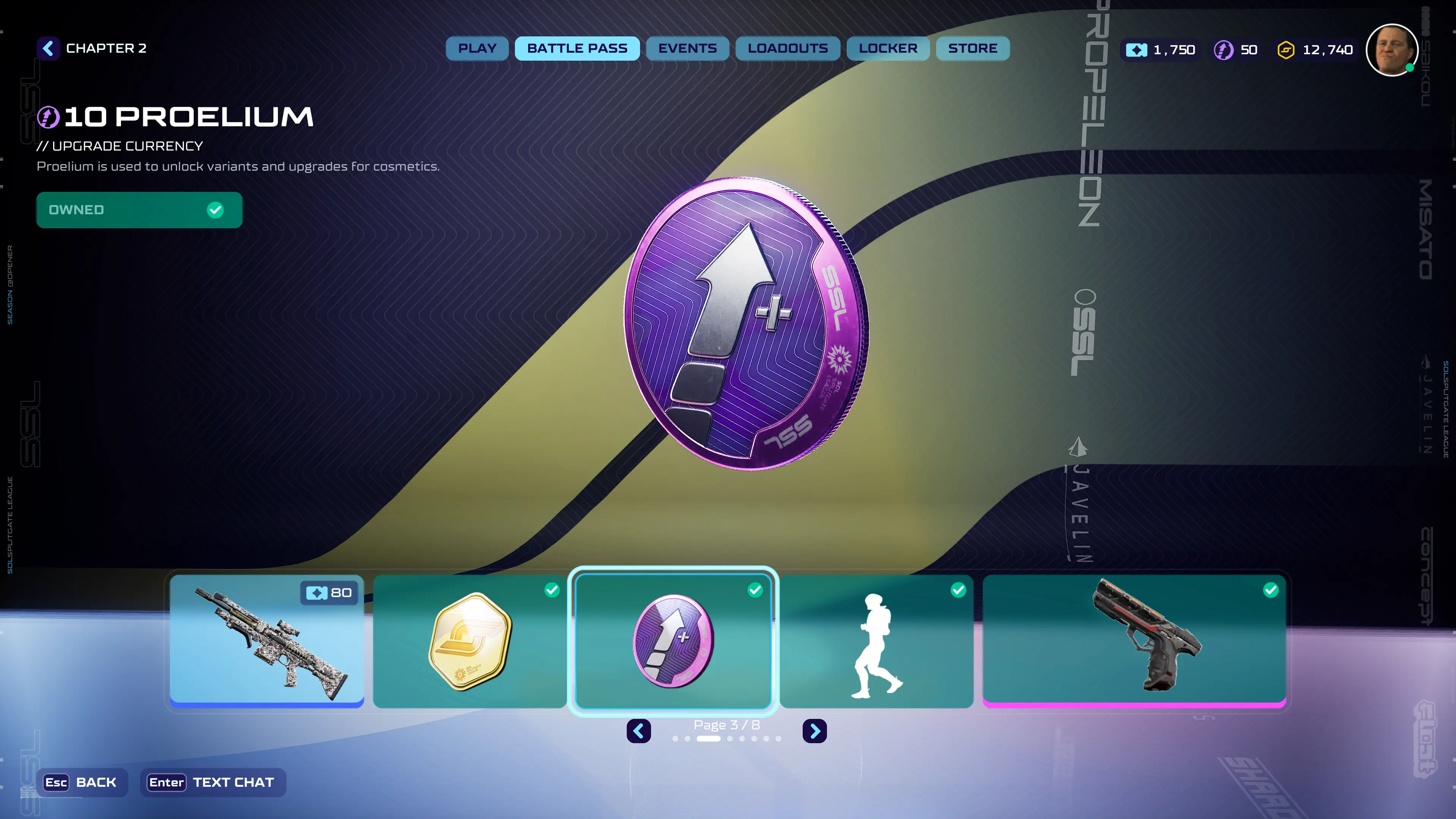
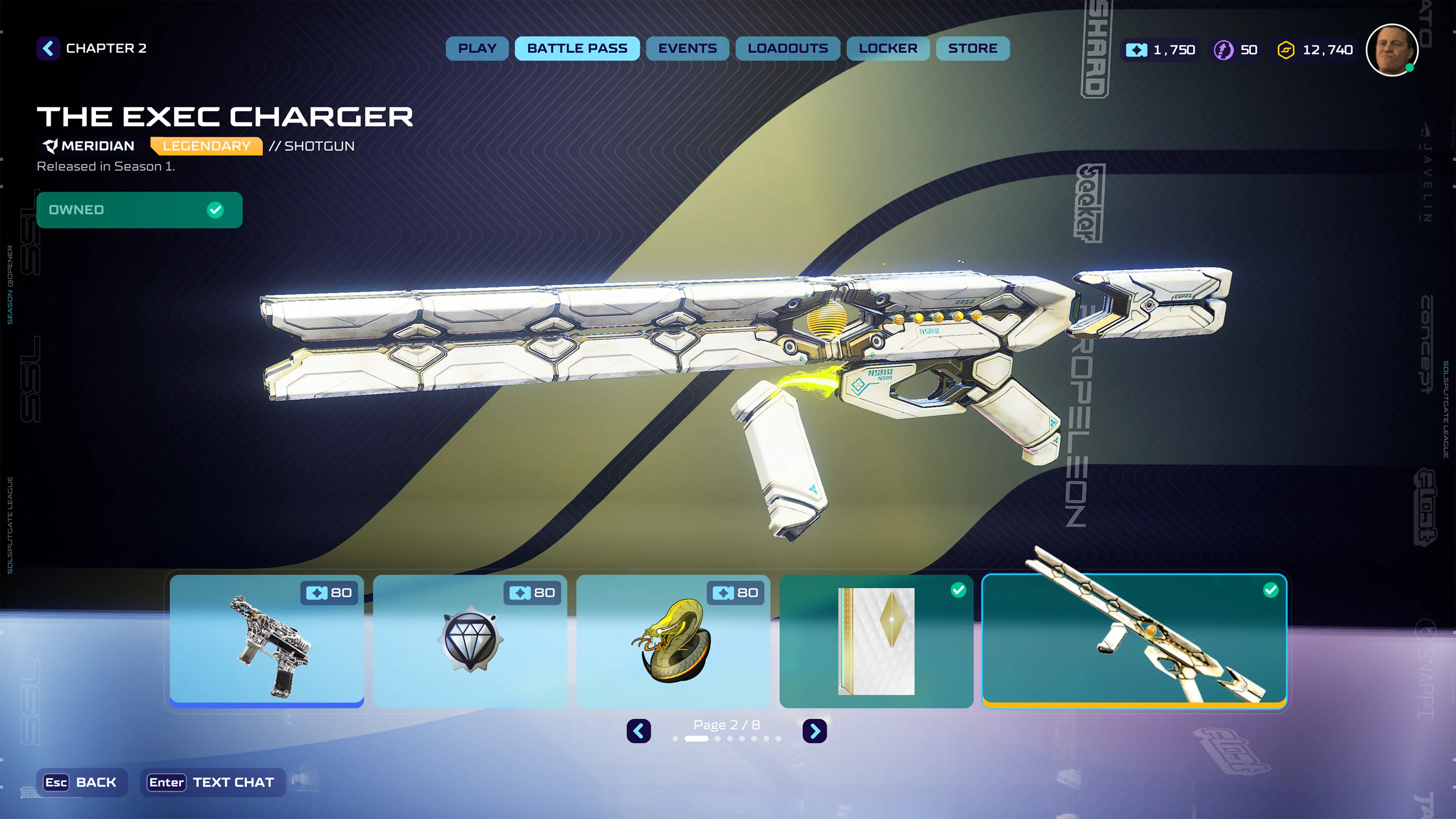
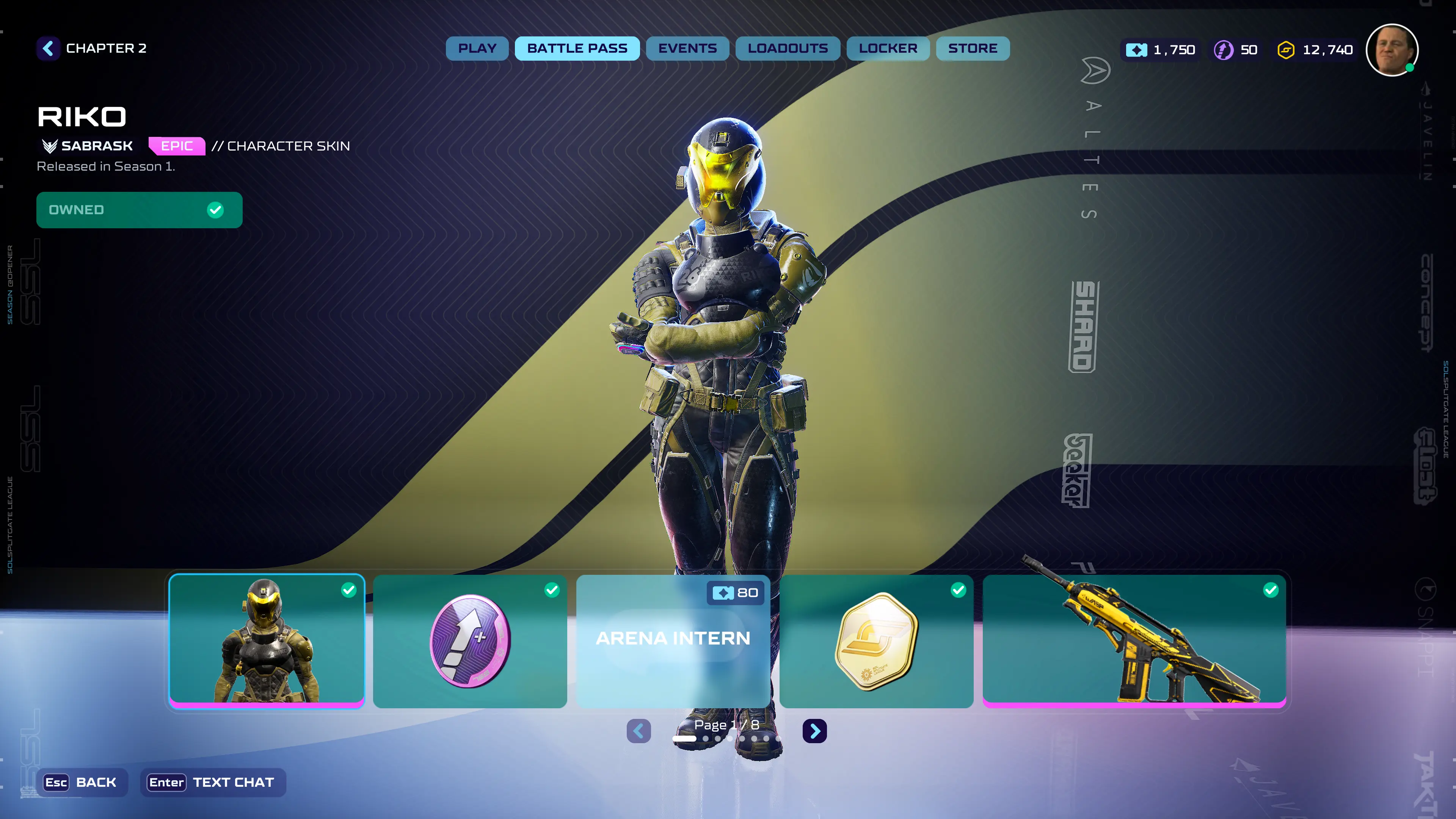
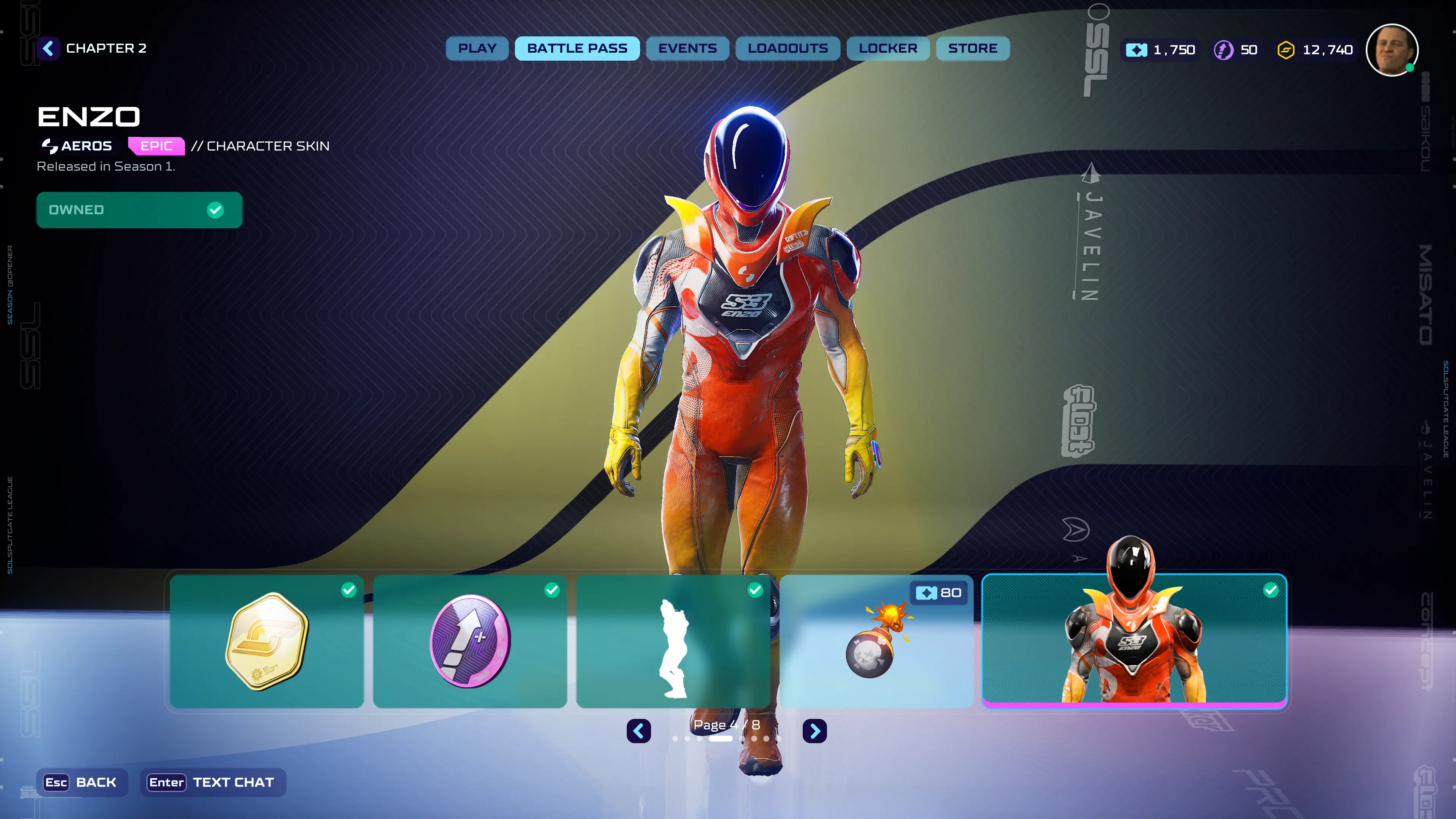
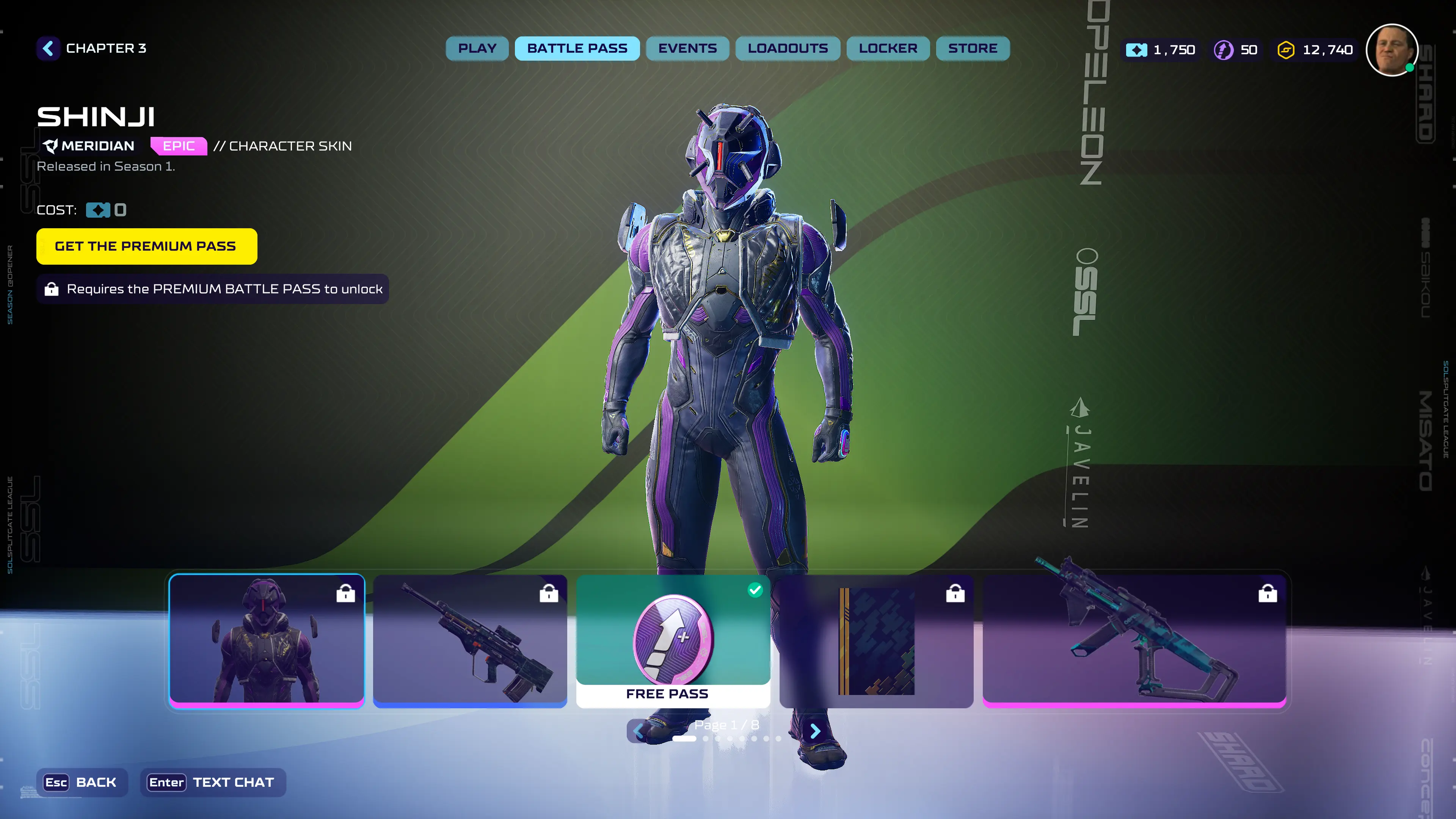
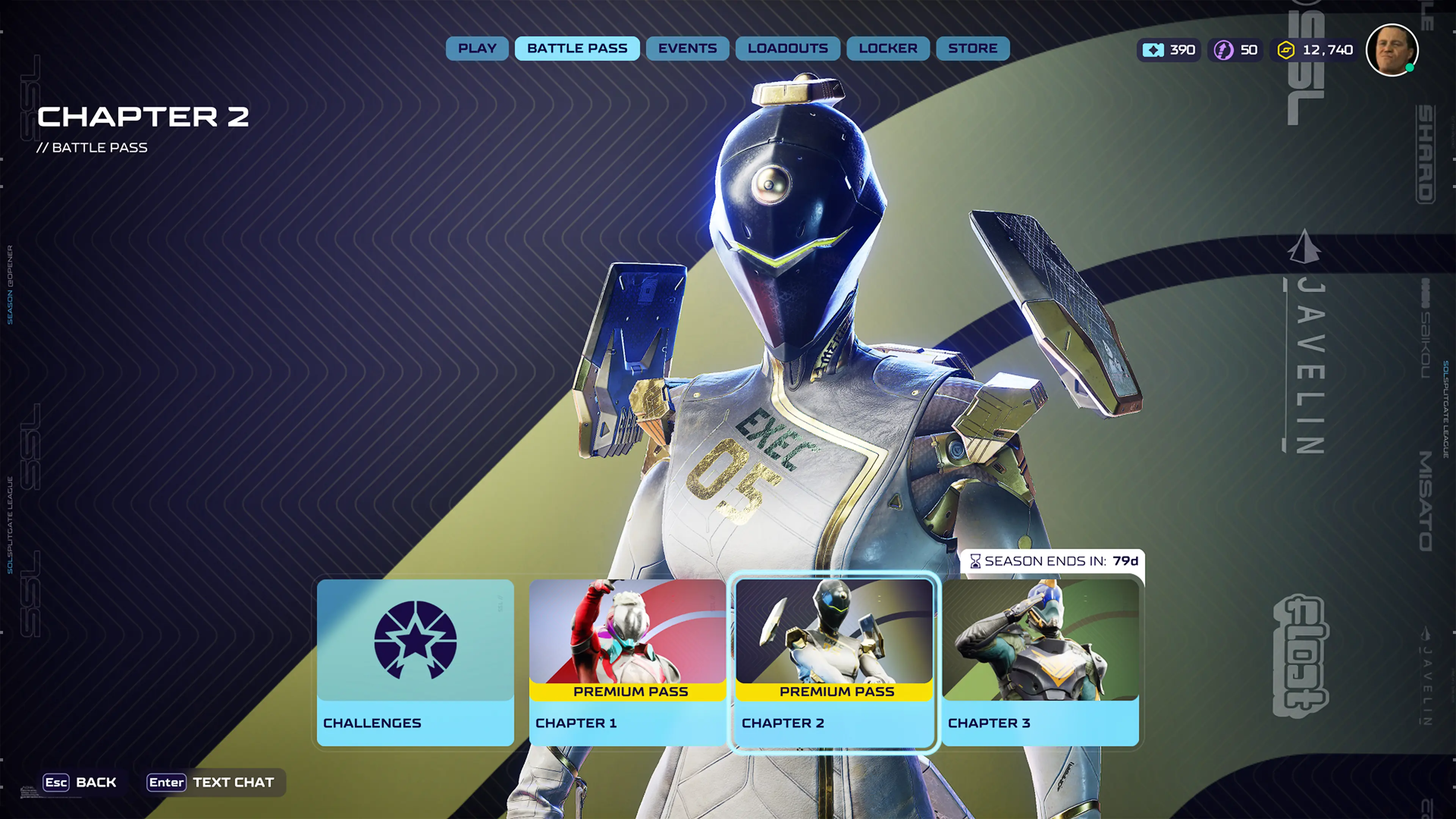
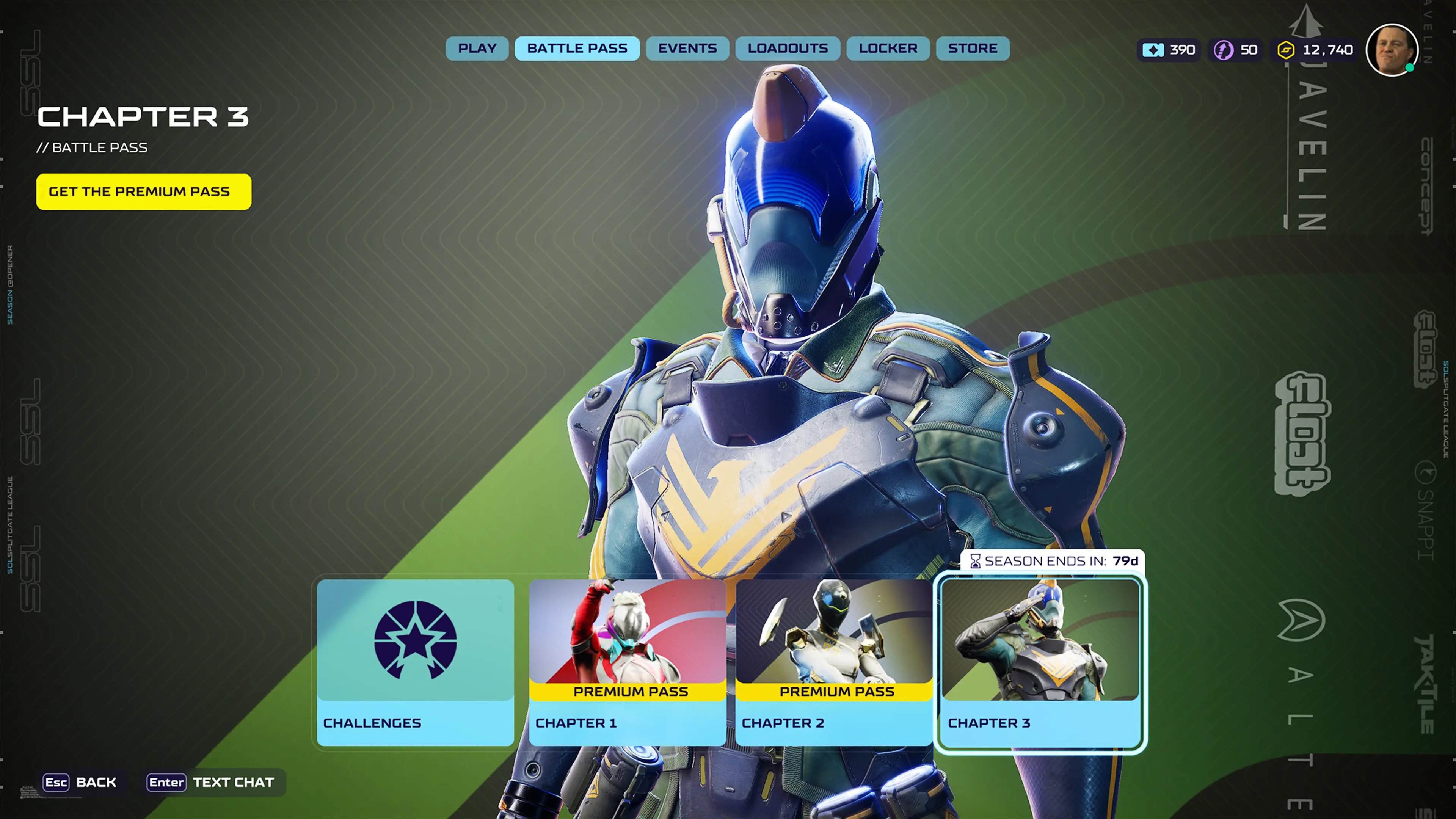
Battlepass
-
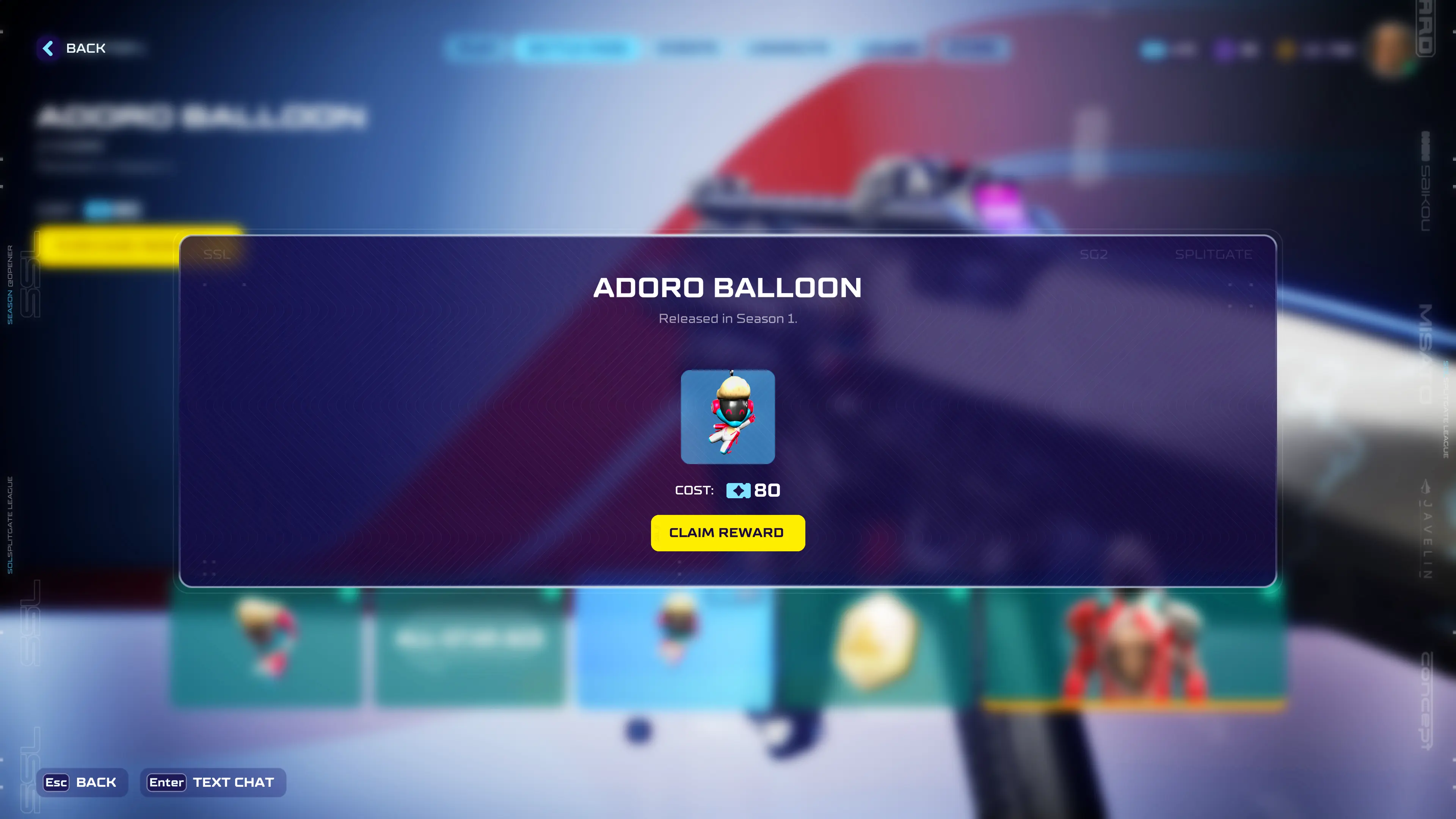
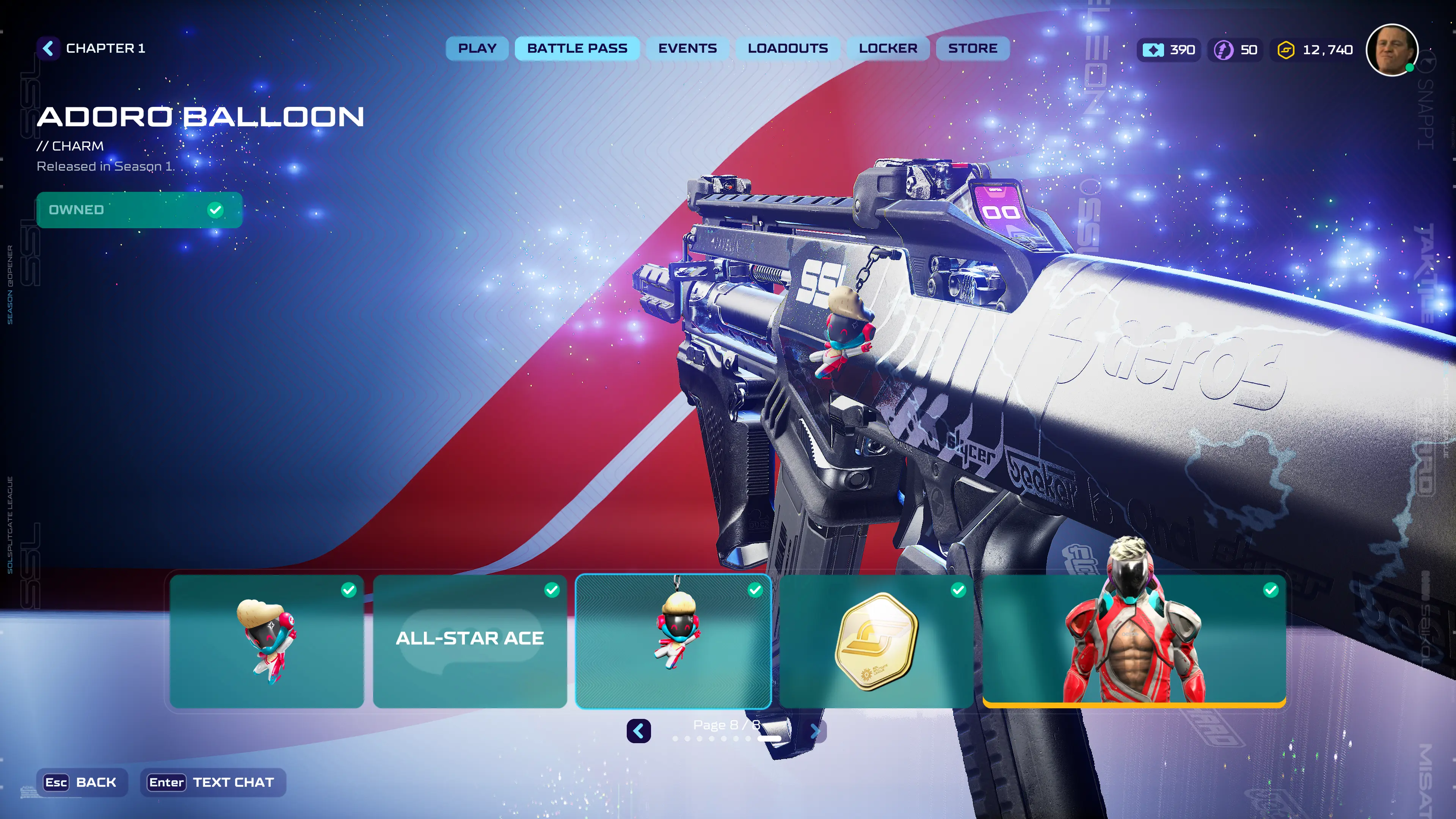
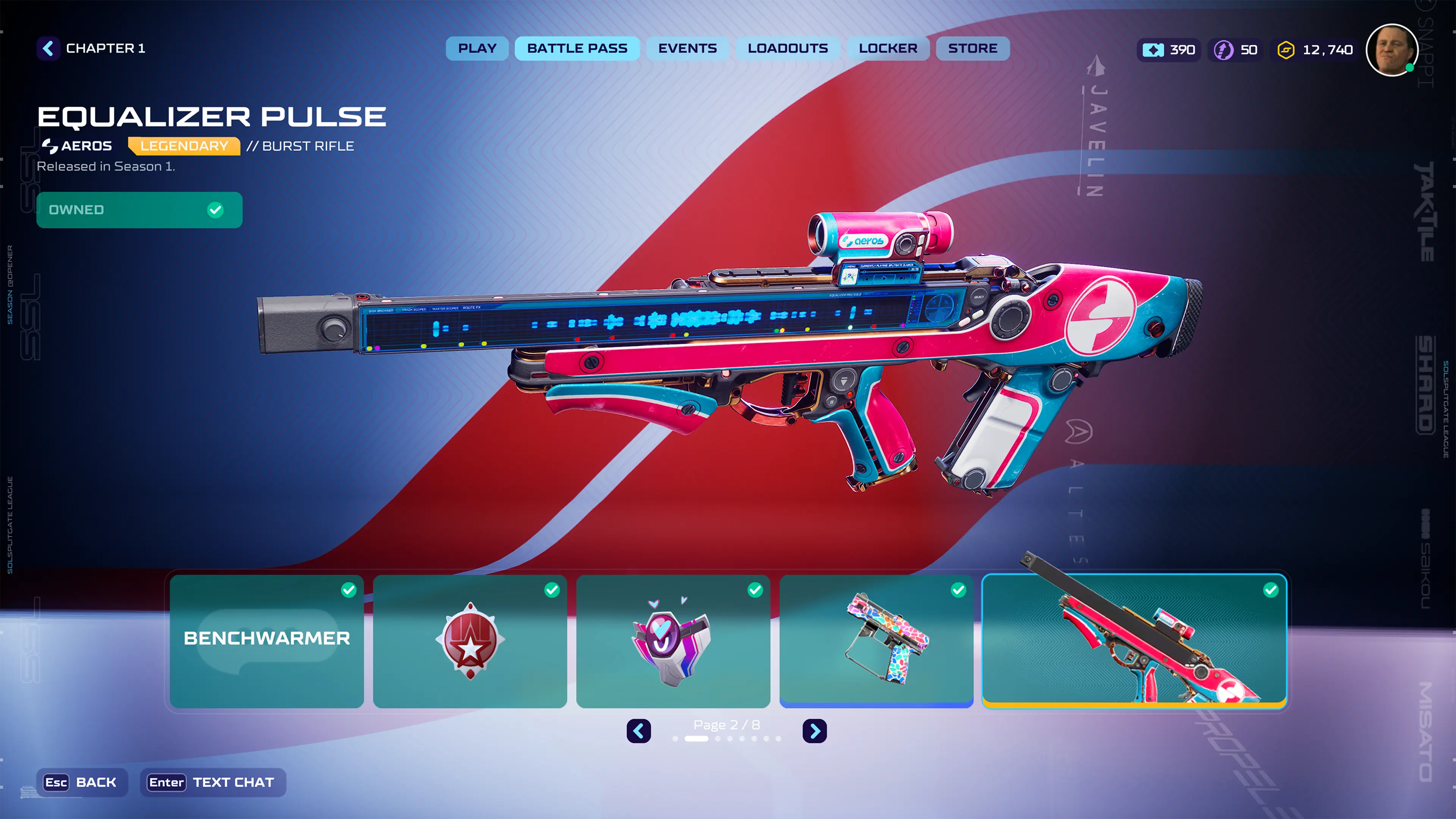
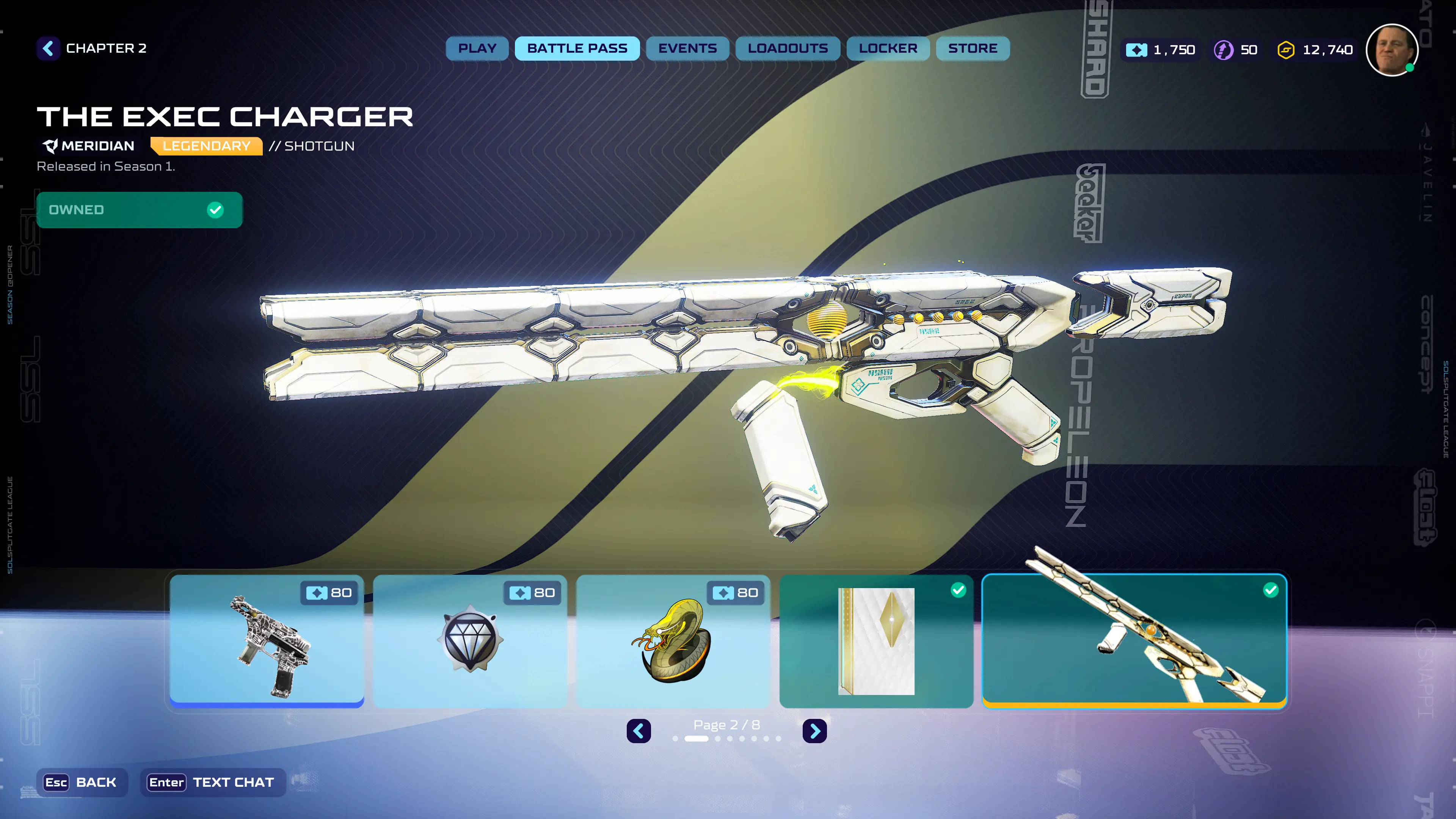
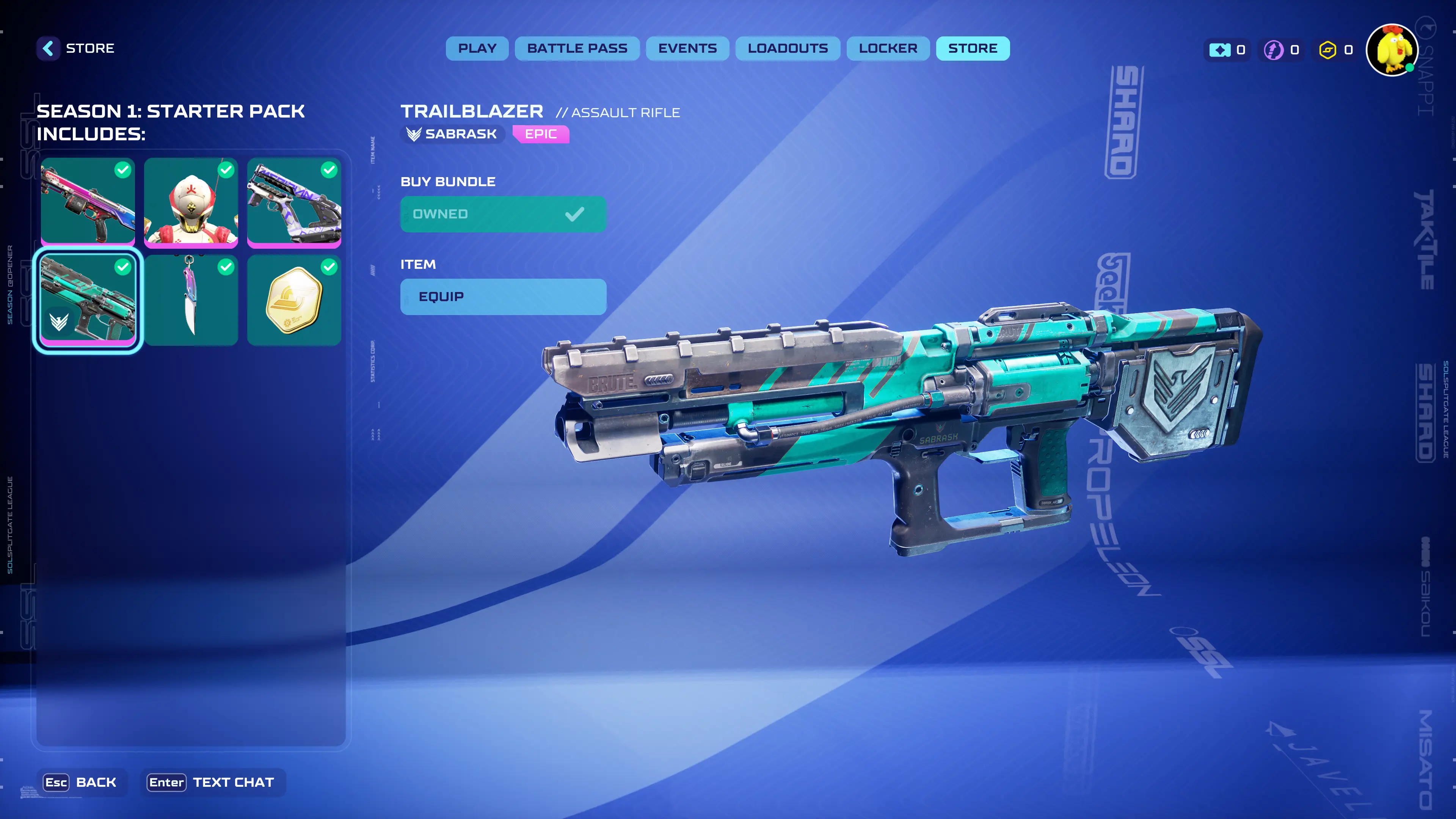
Structured around a three-chapter seasonal model, the Battle Pass establishes clear progression beats and pacing. A scalable in-engine framework supports tiers, rewards, and milestones while enabling rapid live iteration without breaking visual hierarchy.
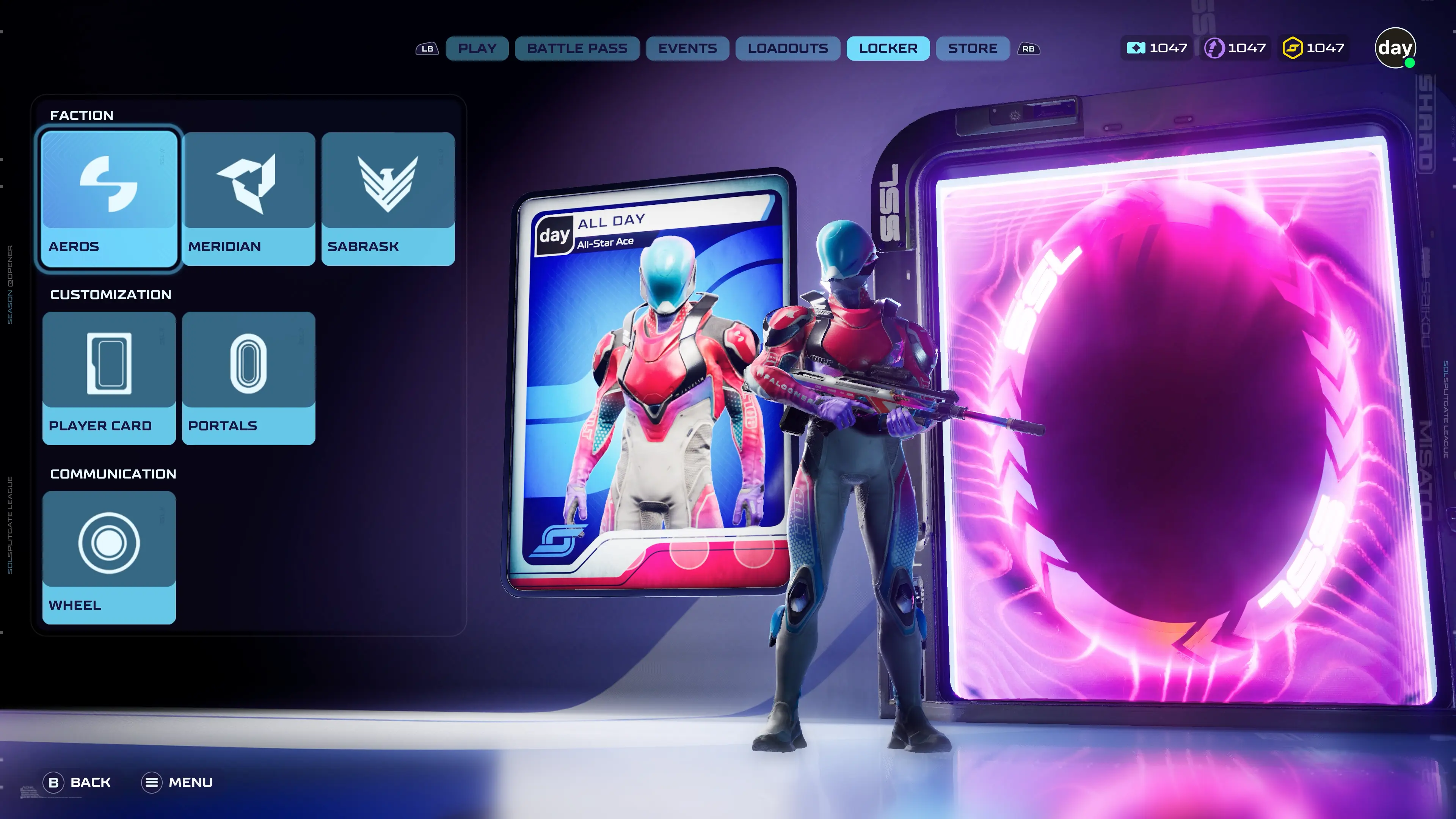
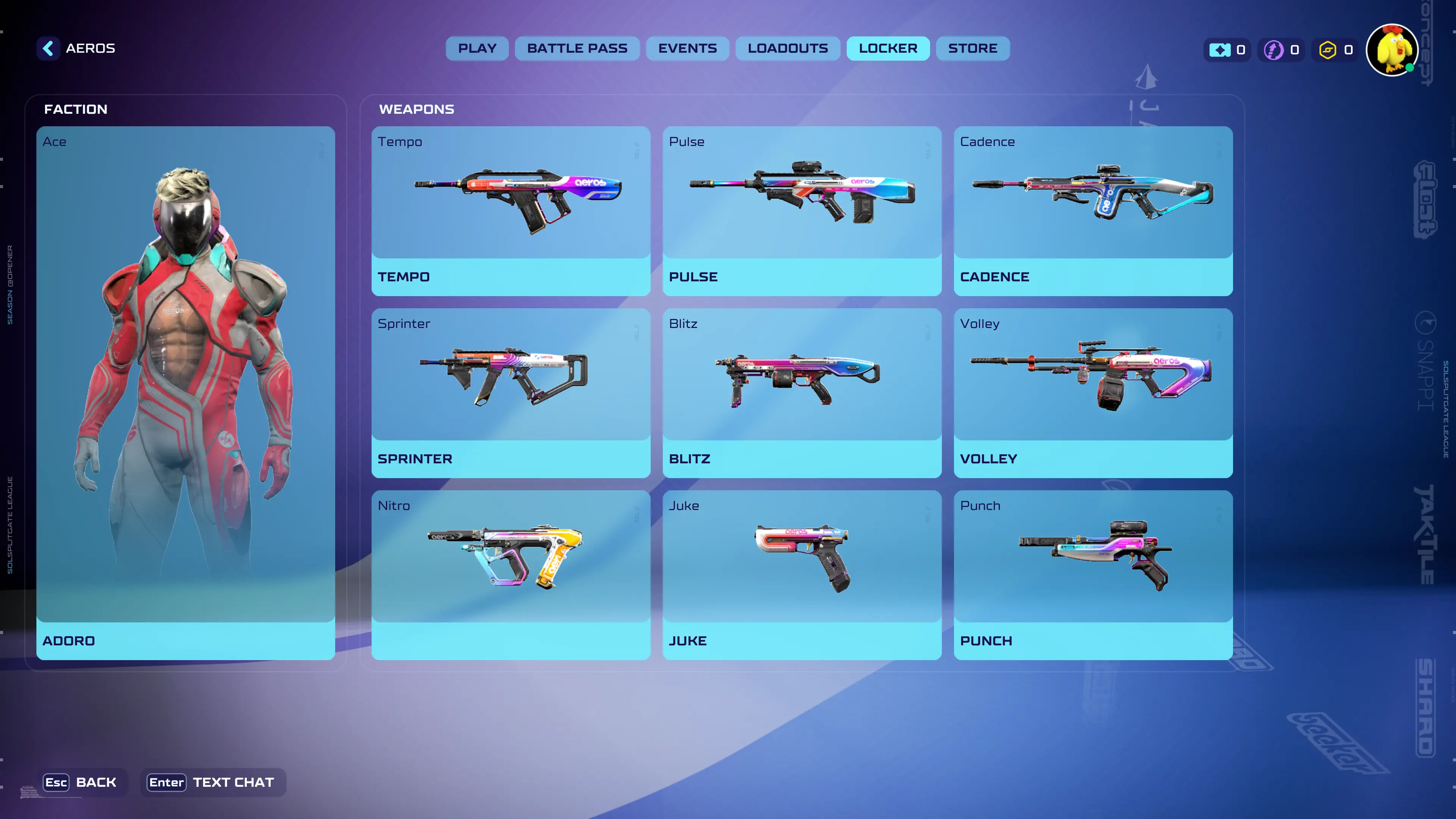
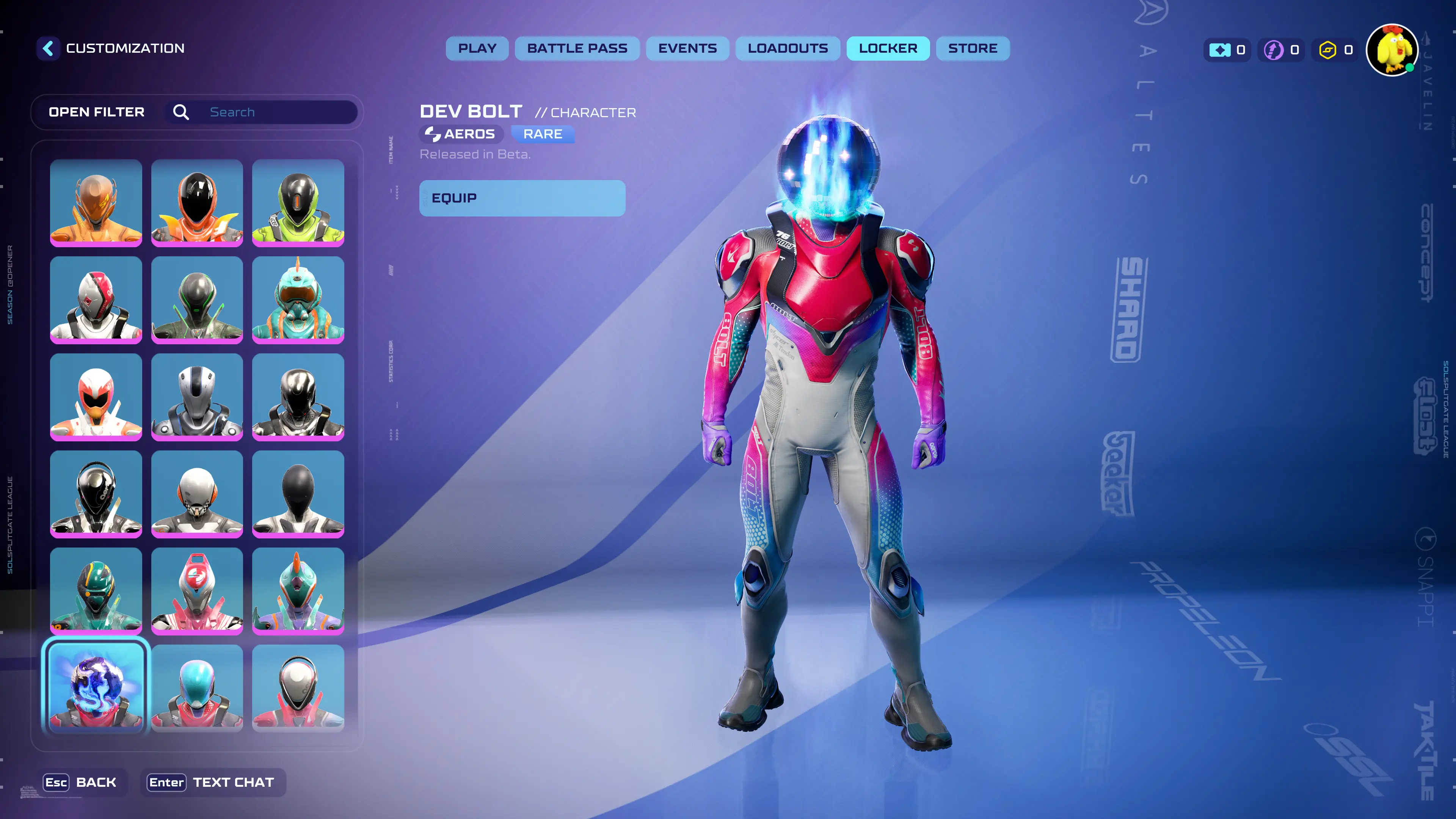
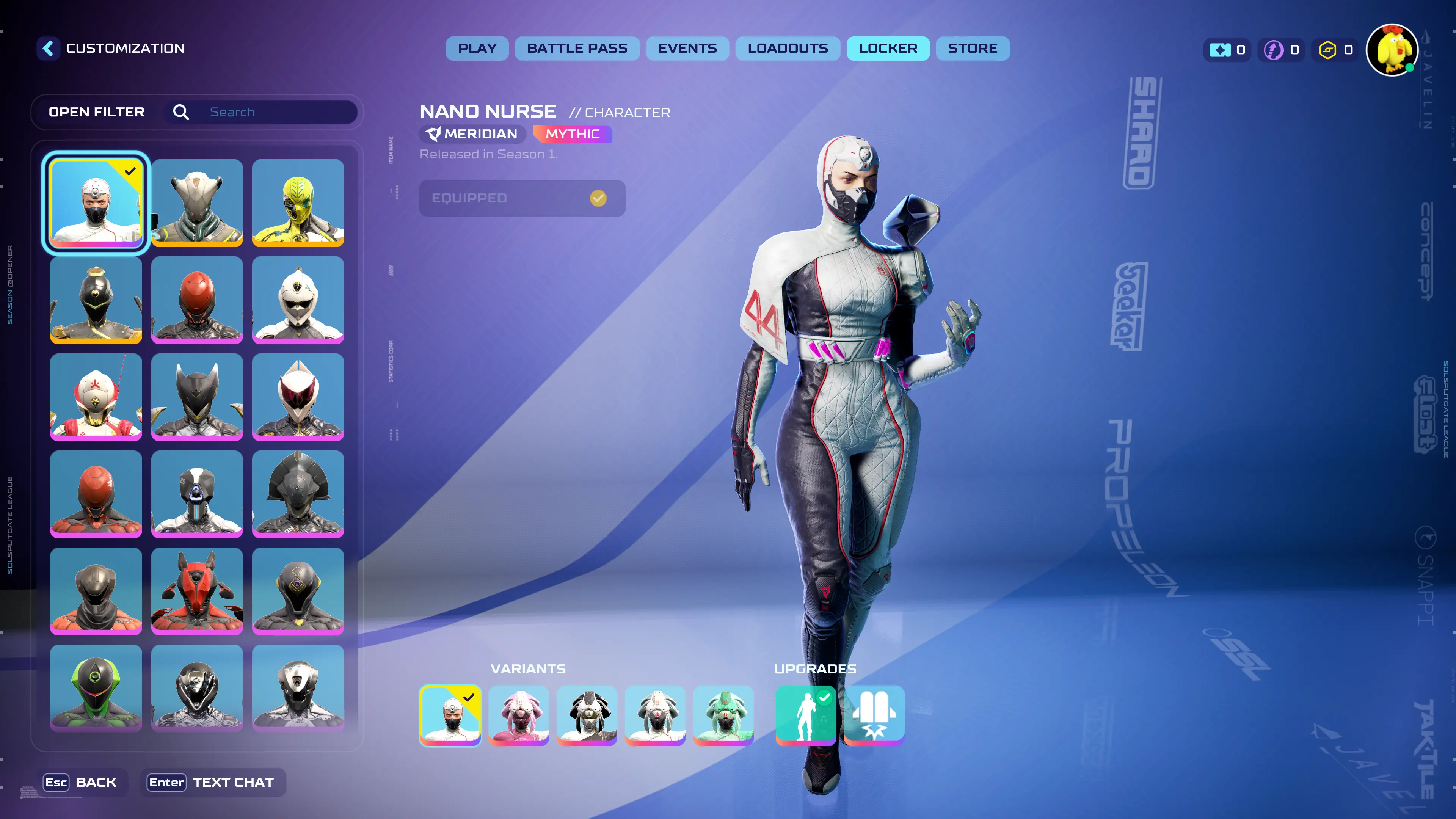
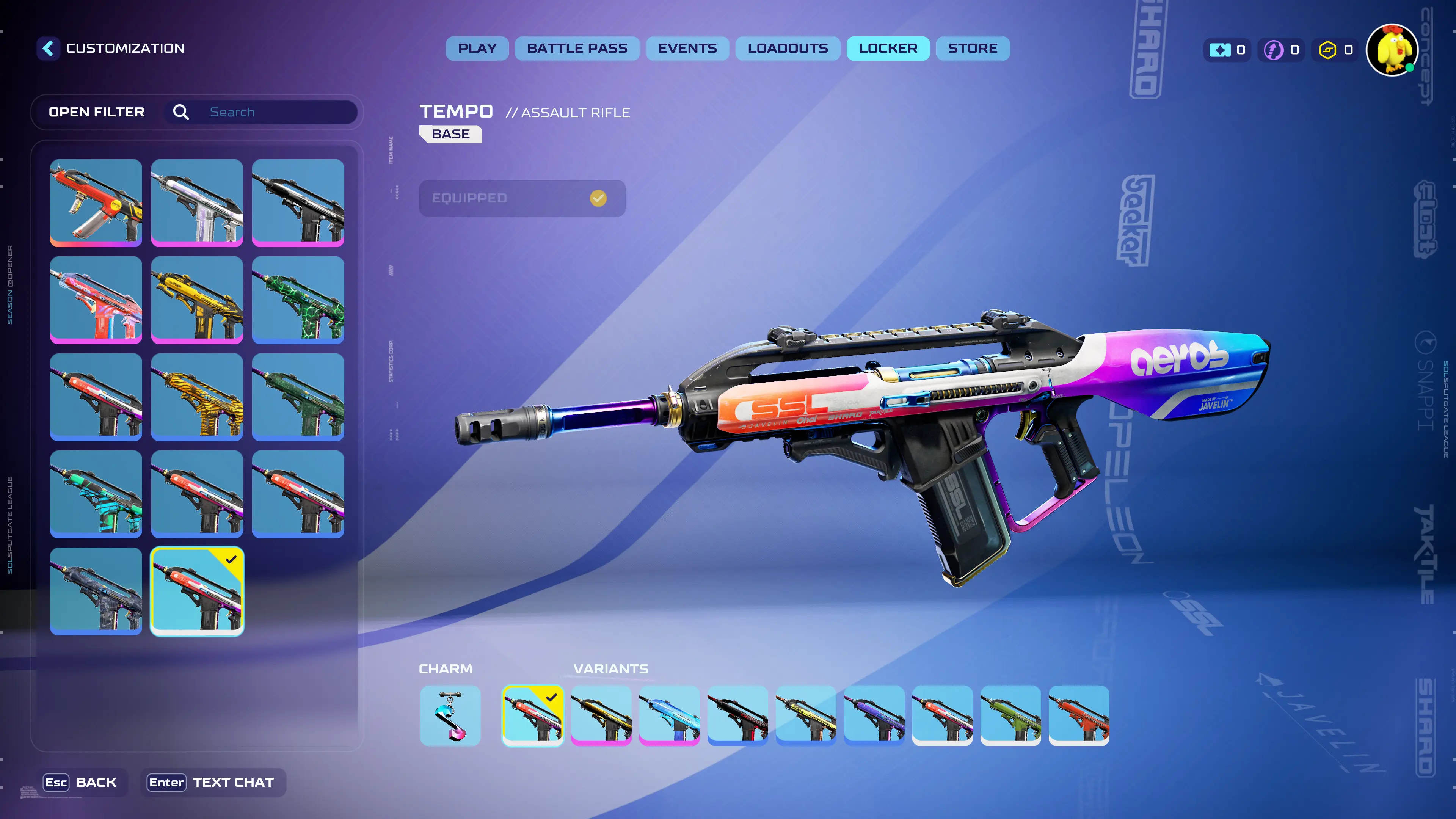
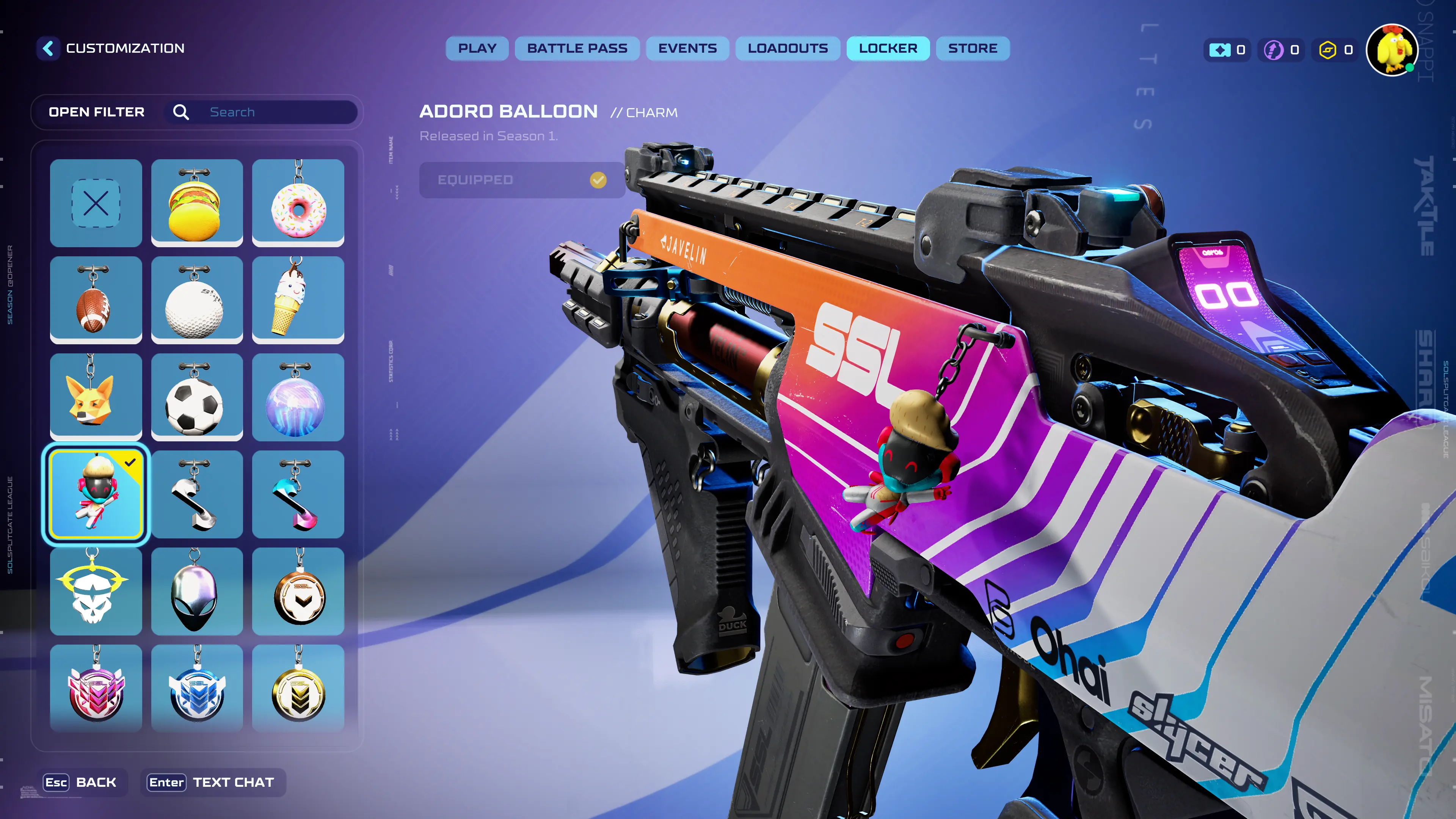
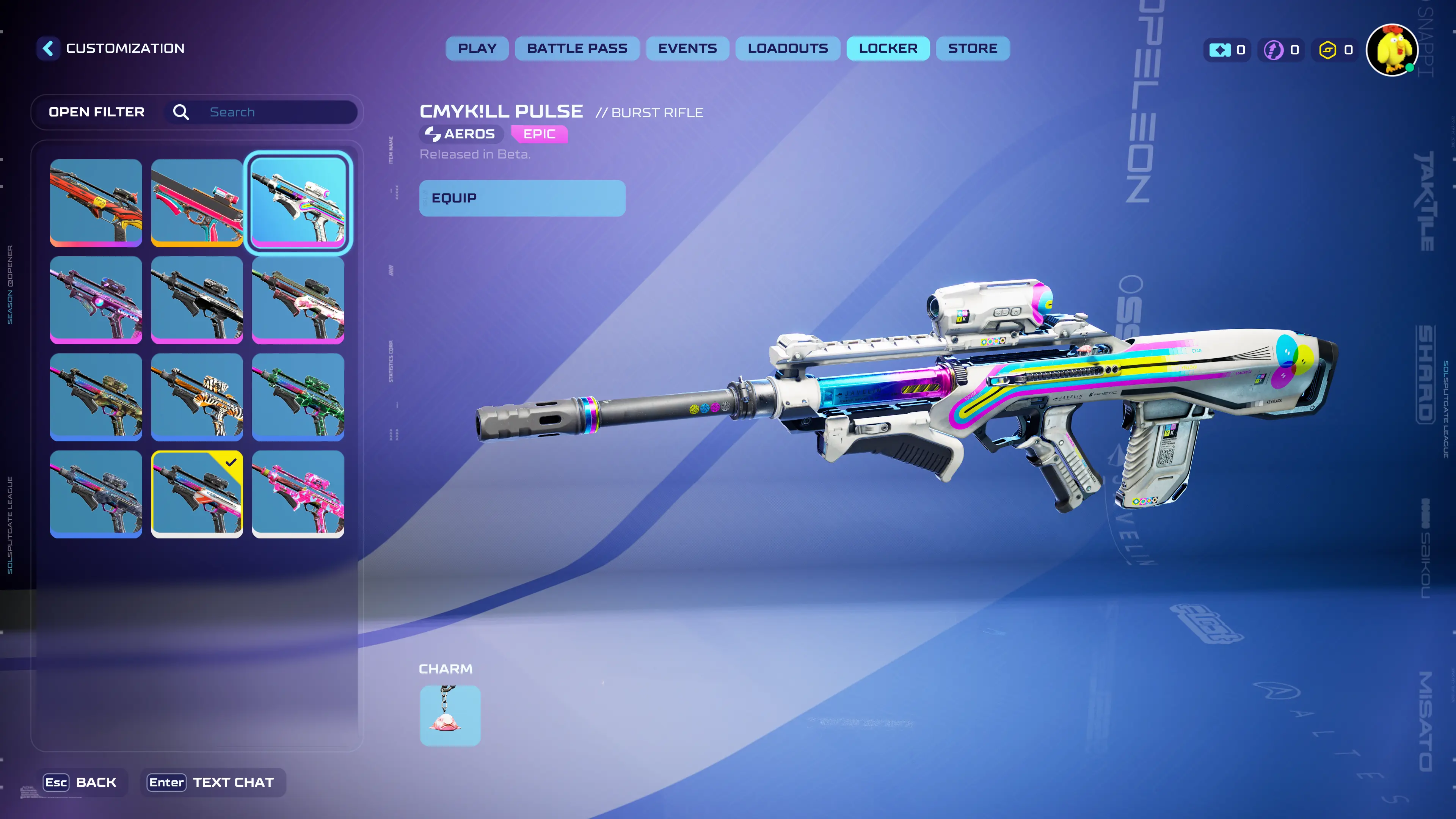
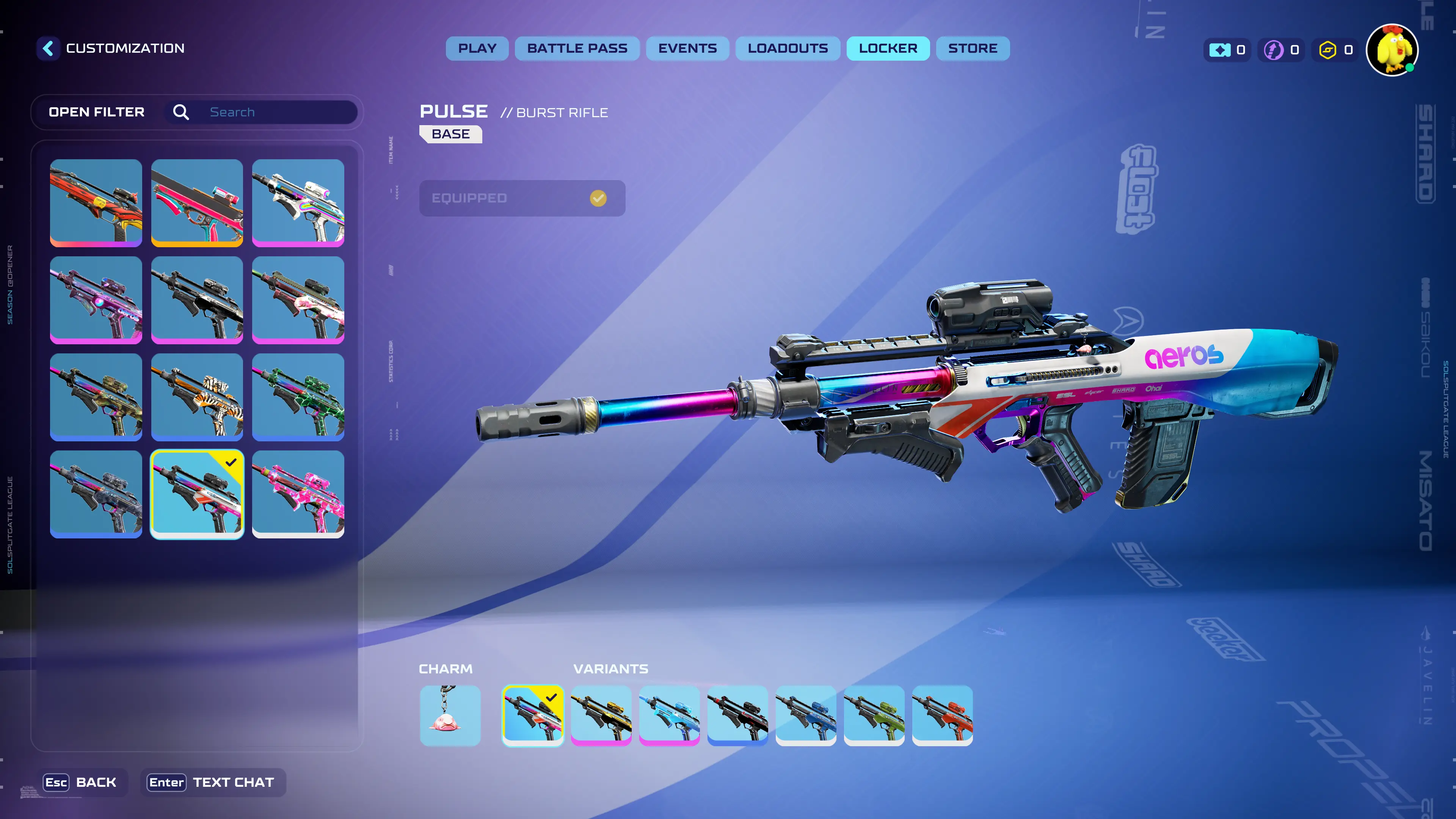
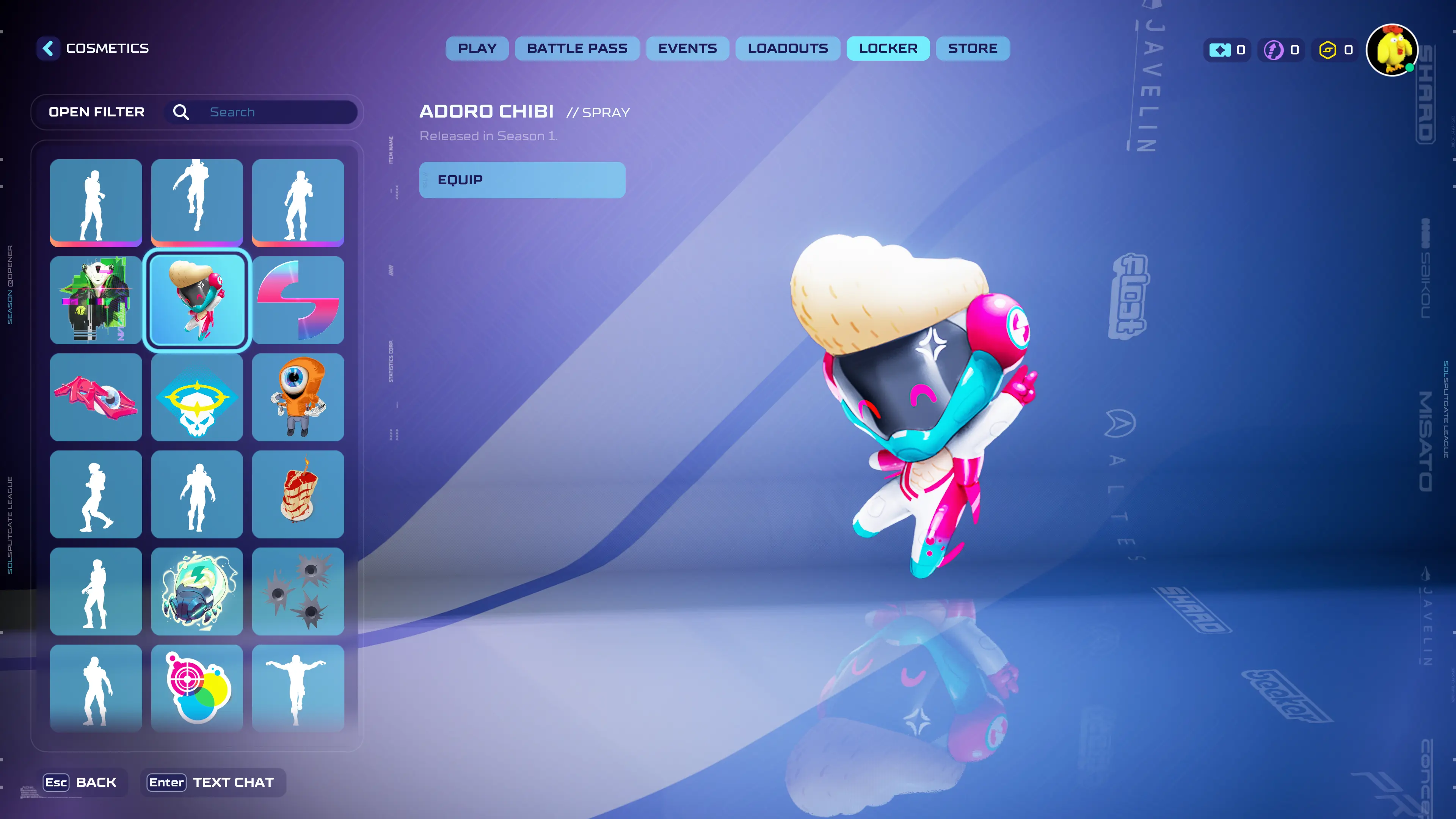
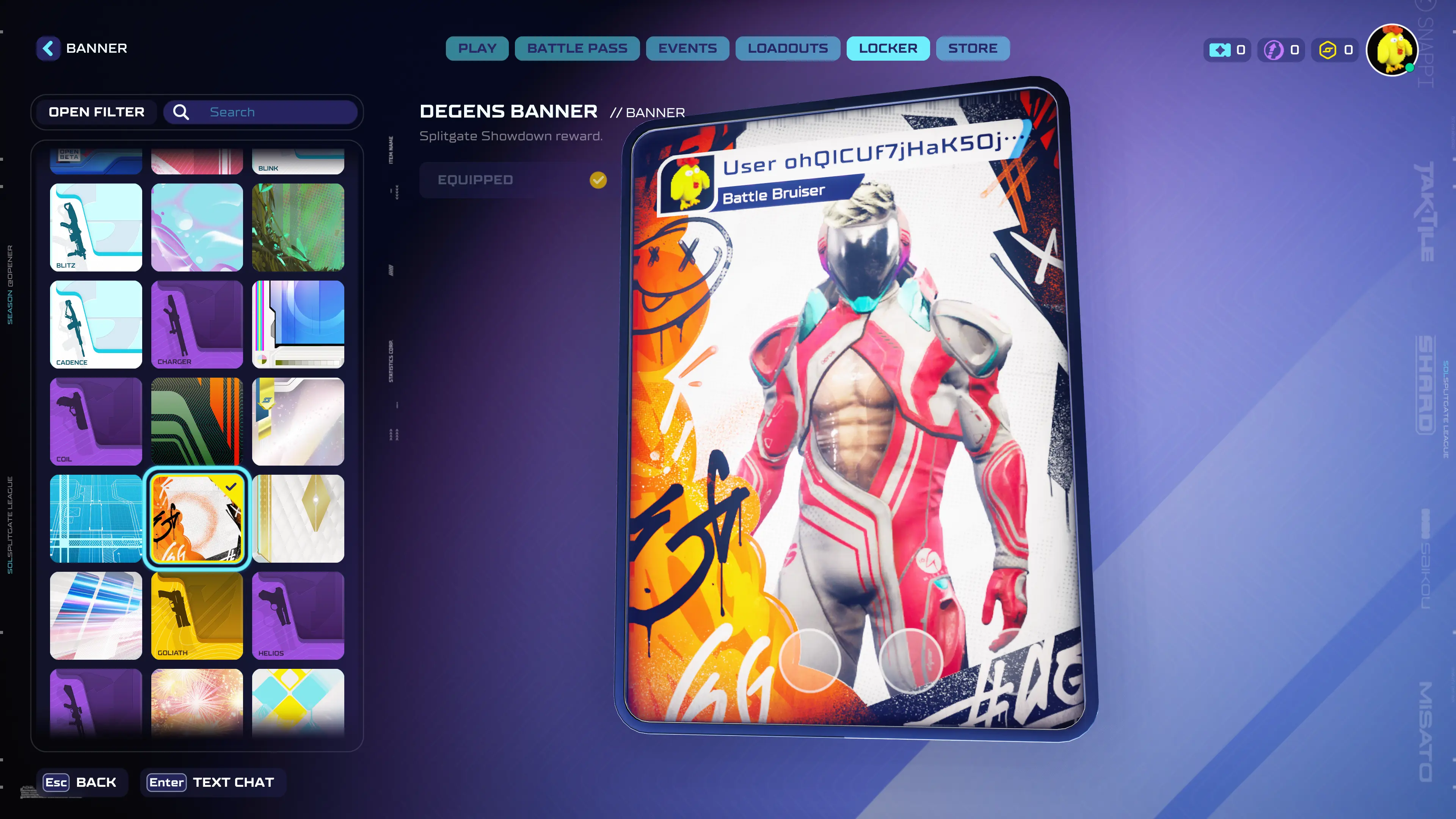
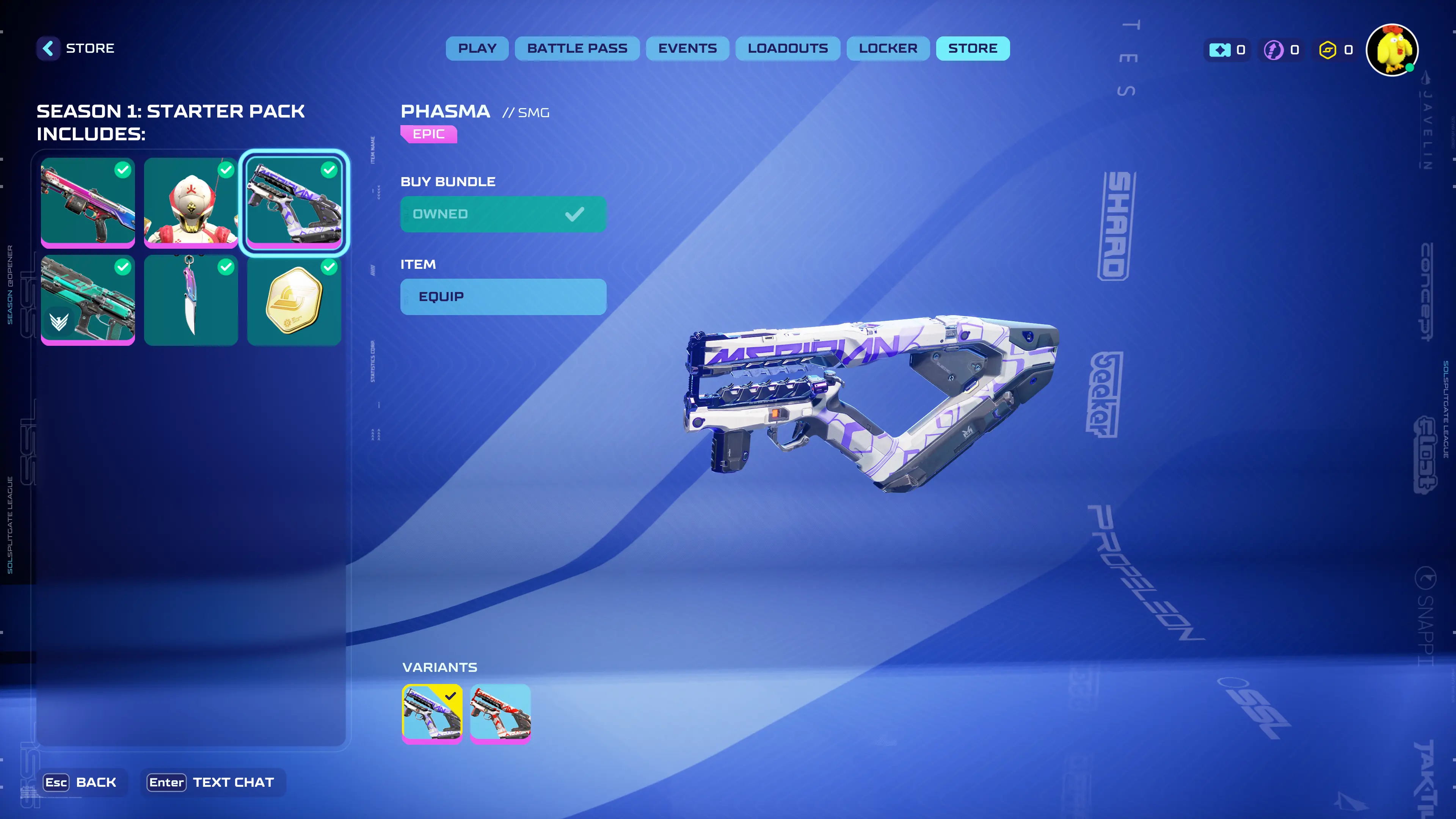
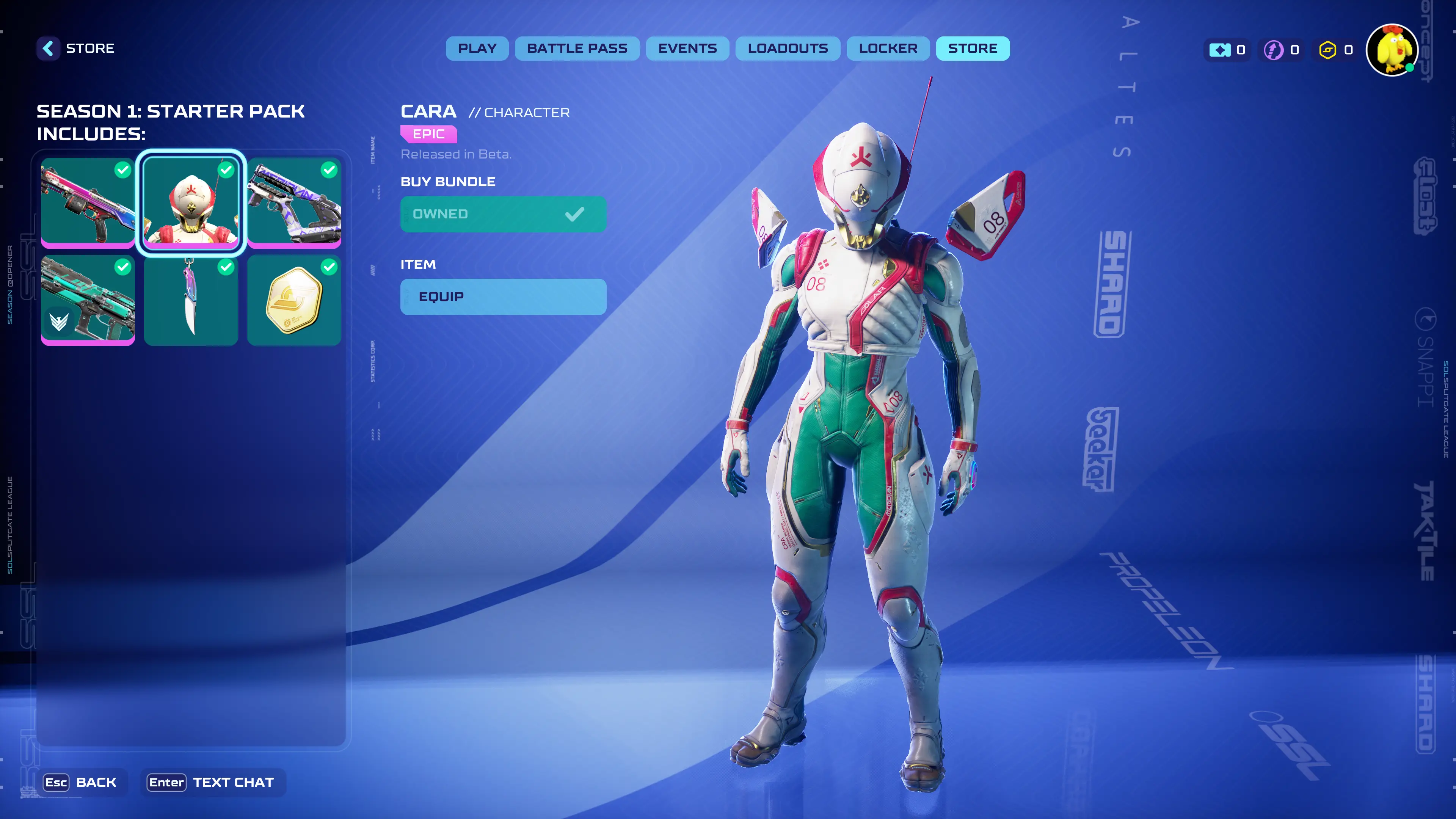
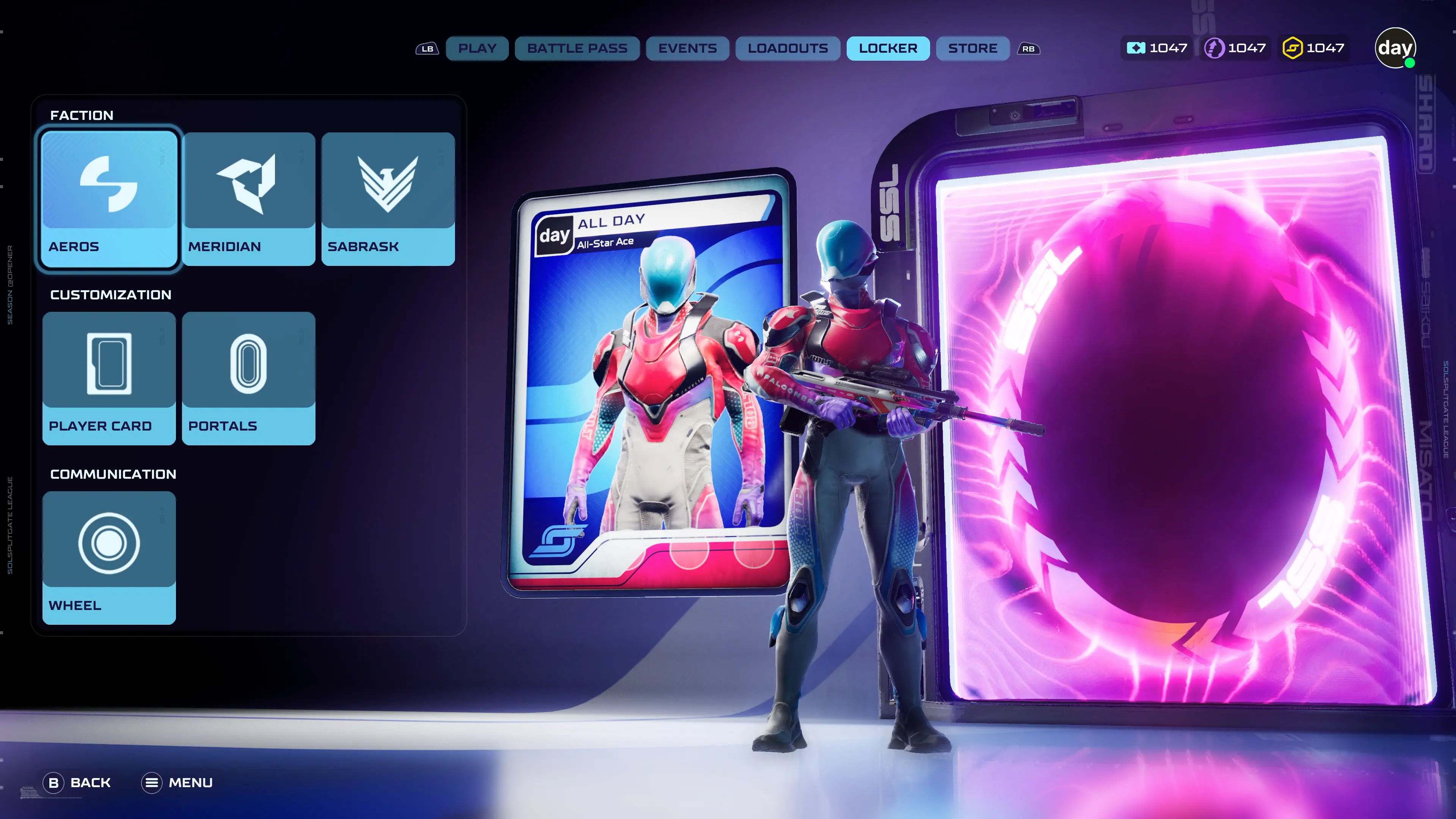
Locker
-
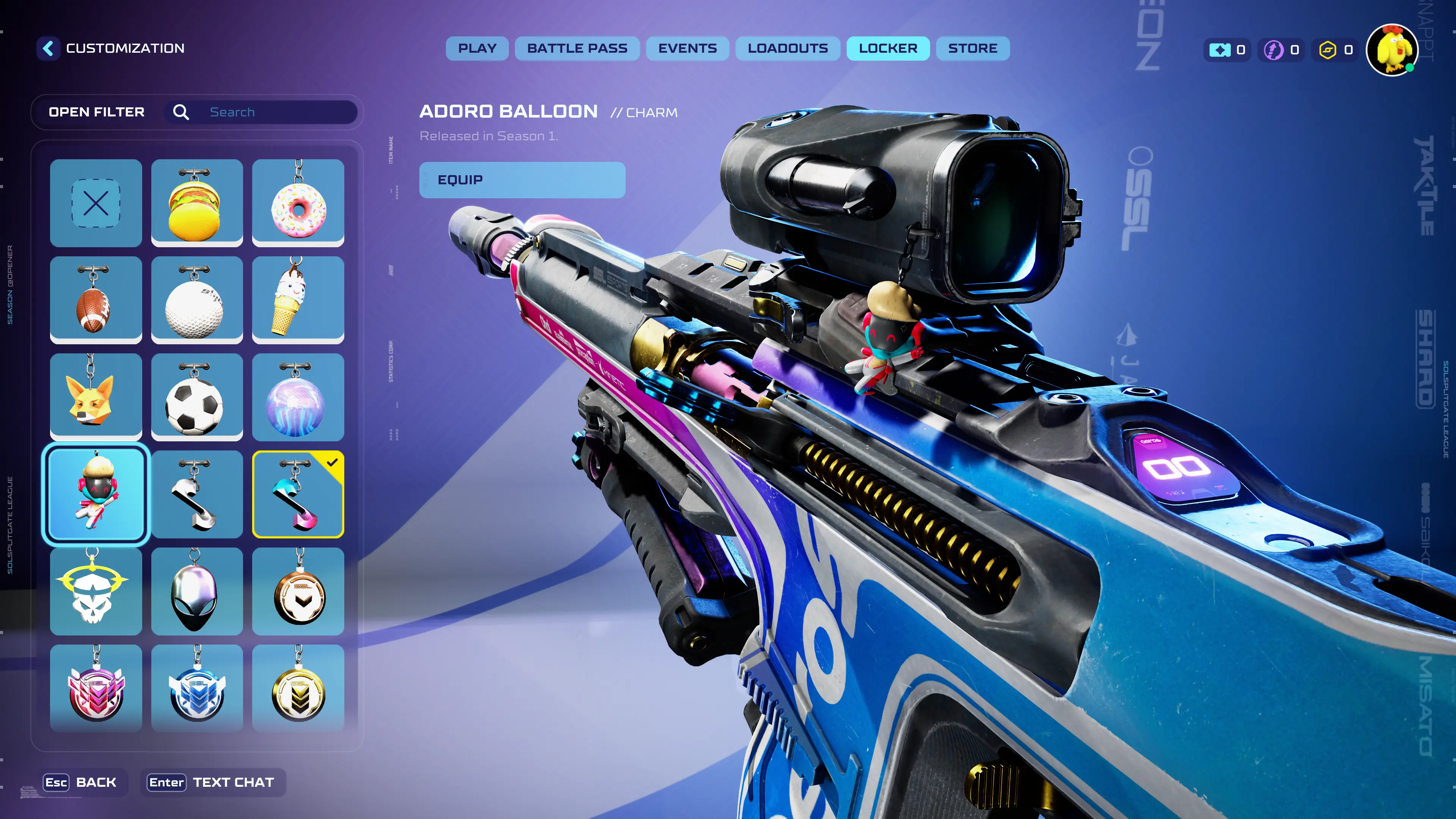
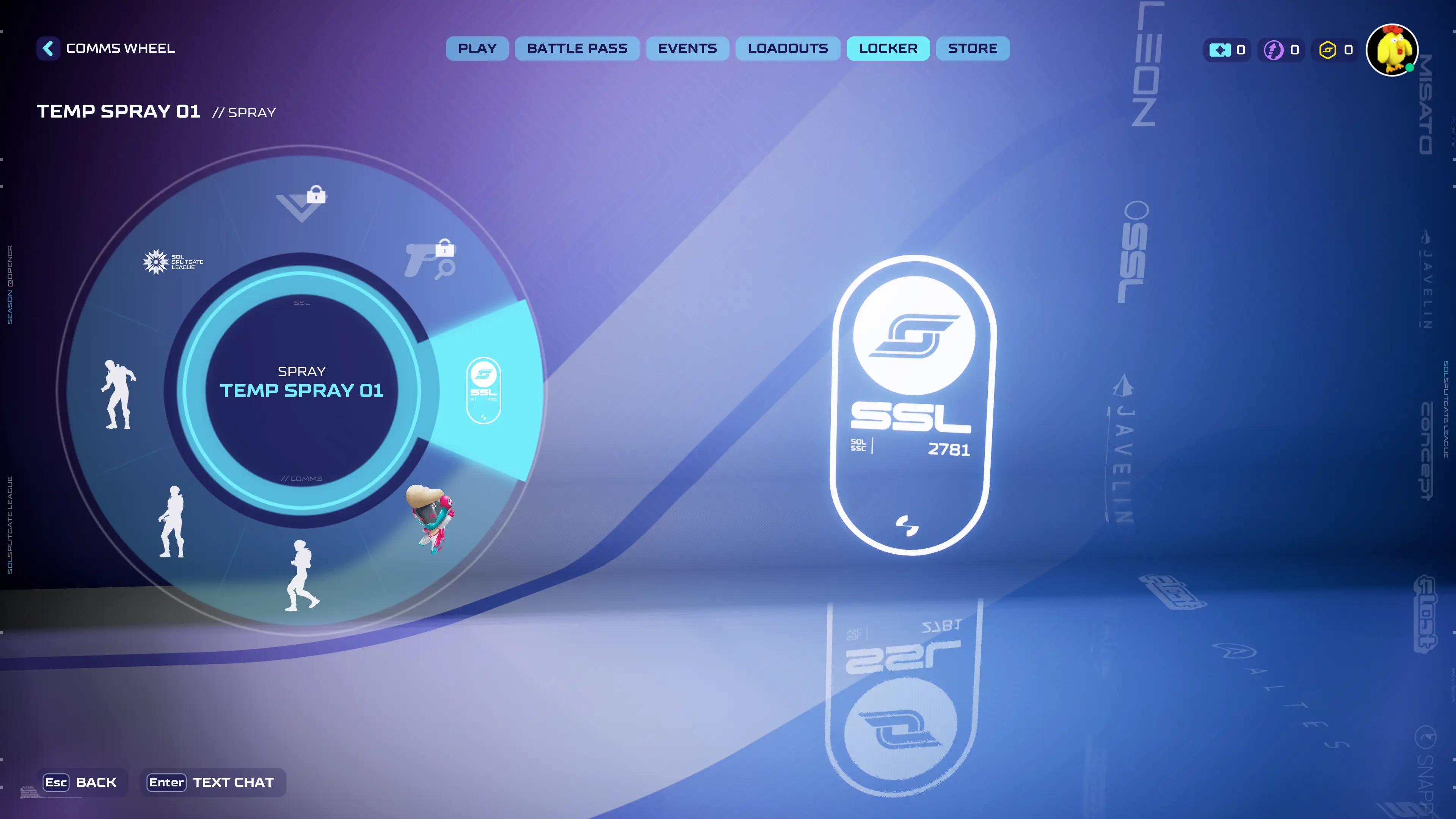
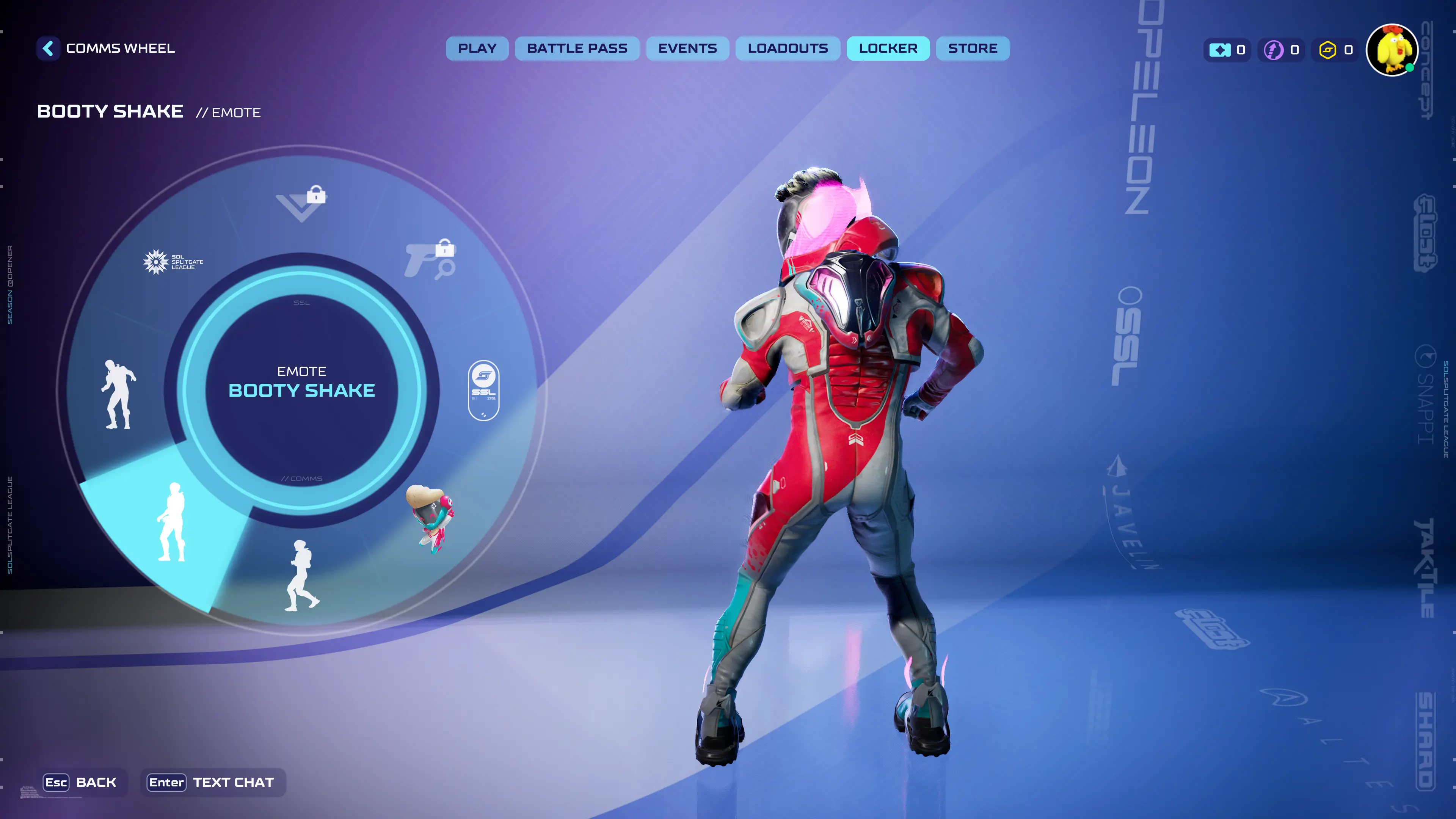
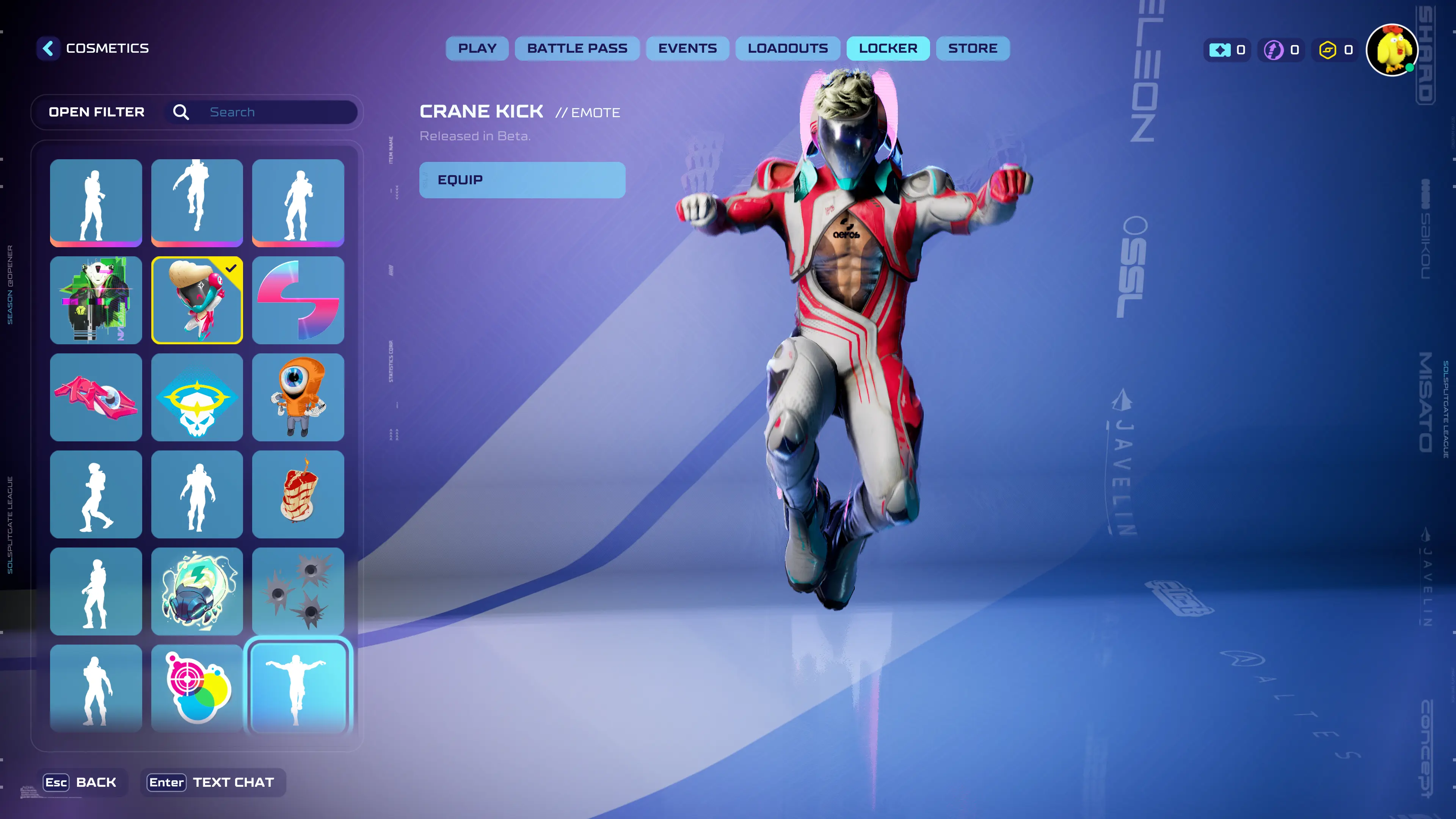
A modular cosmetic system designed for breadth and scalability. An in-engine presentation framework ensures consistent framing, clear hierarchy, and efficient content updates across characters and weapon variants.
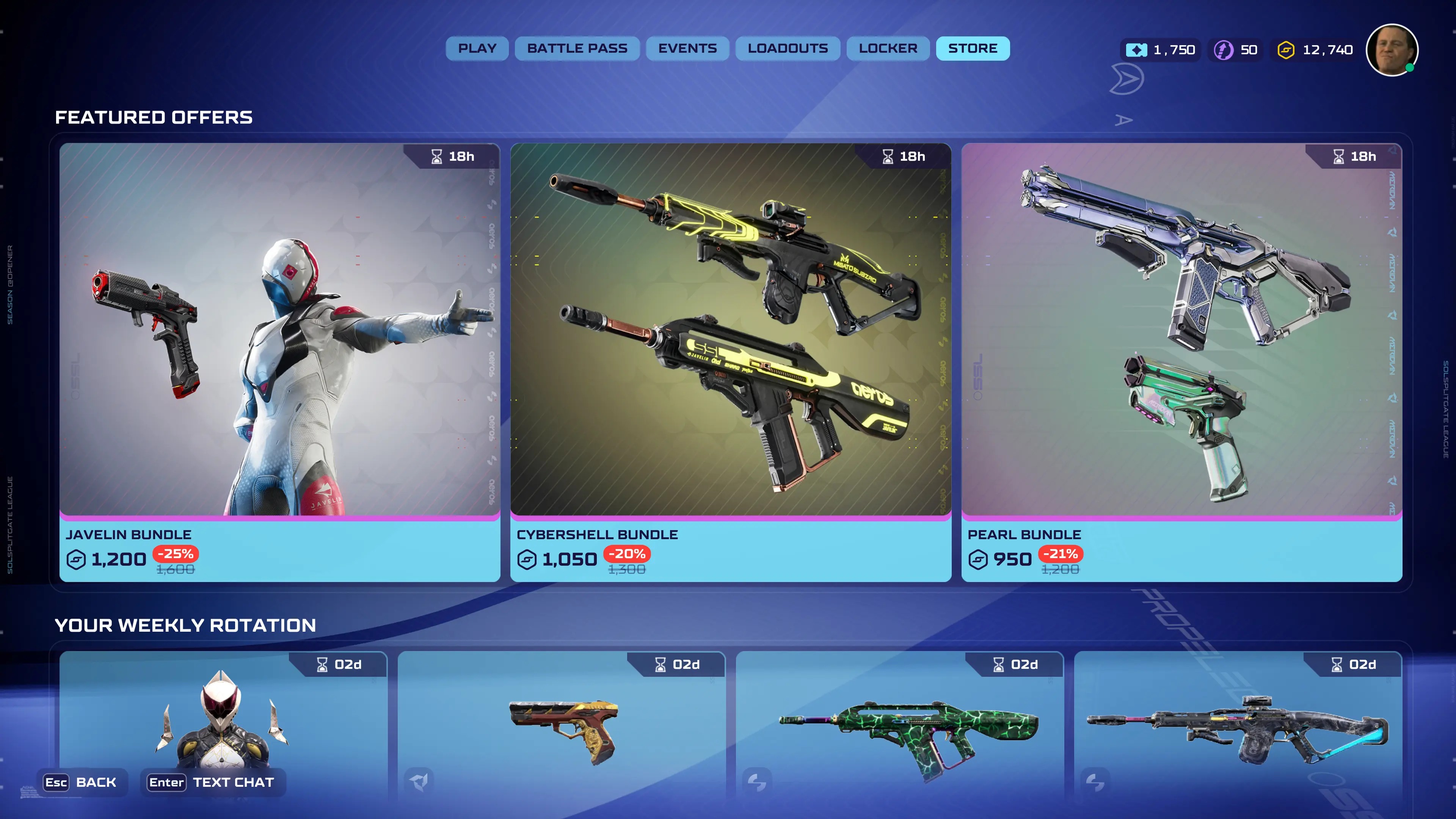
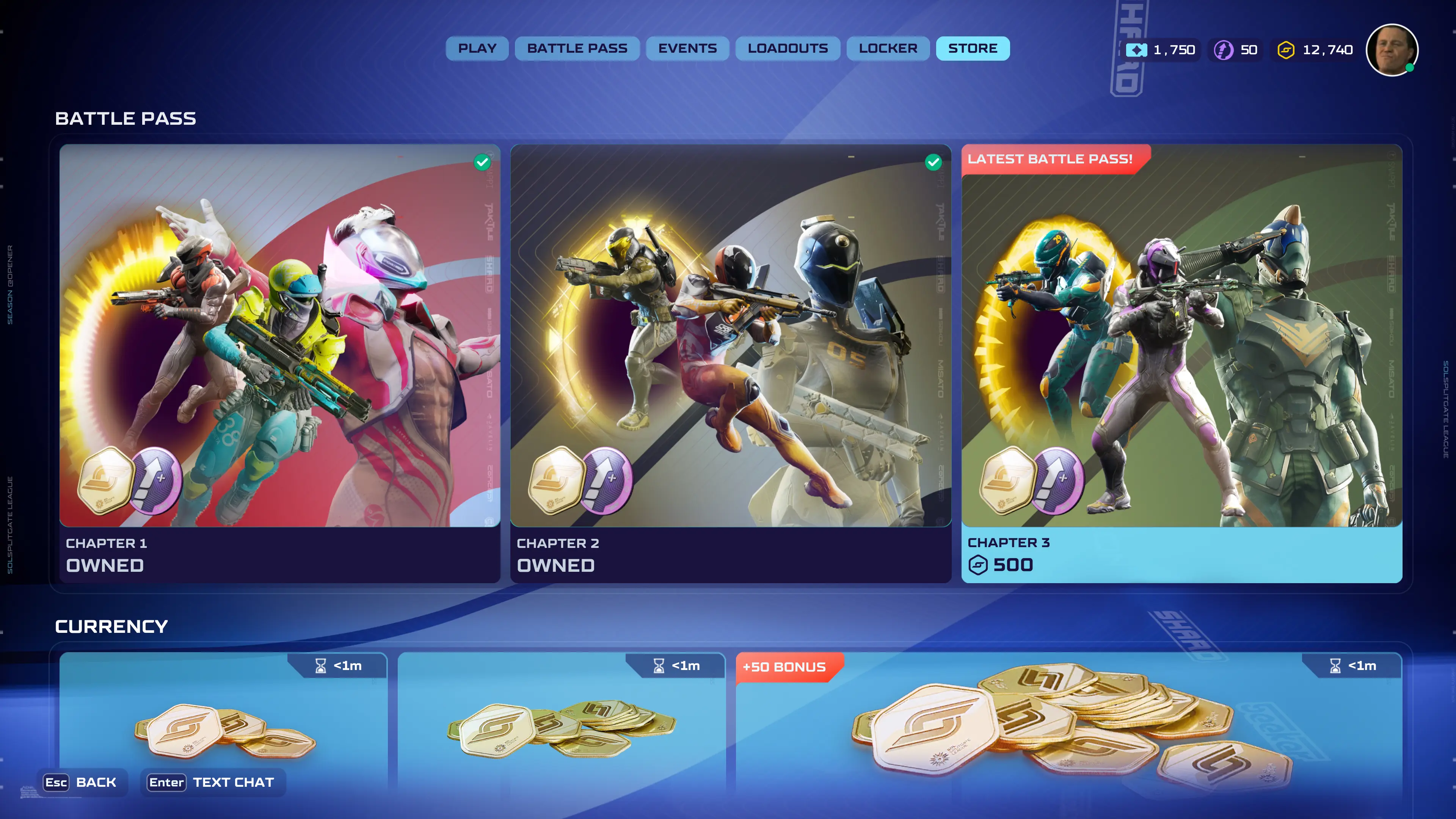
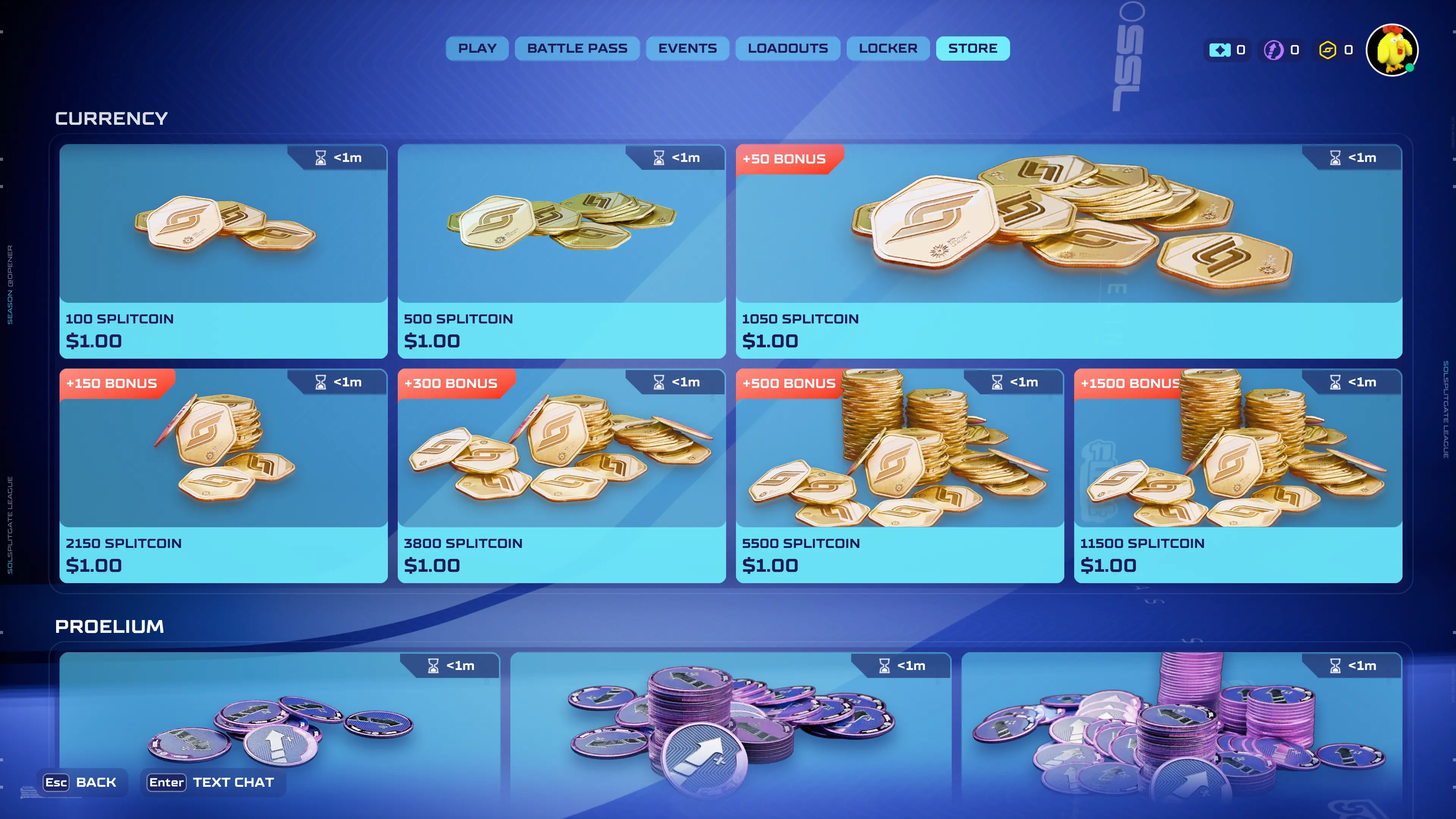
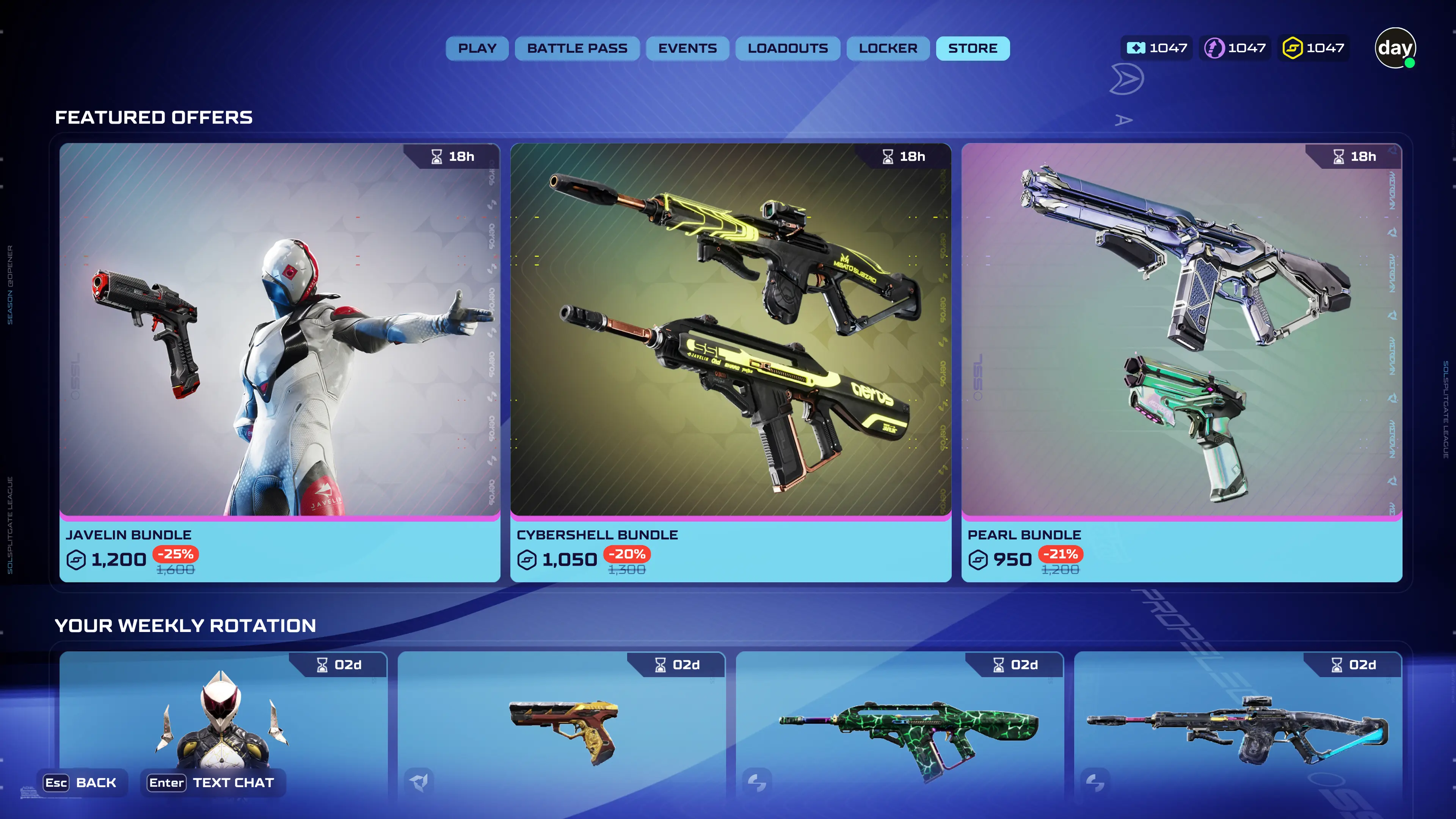
Store
-
Designed as a storefront-style browsing experience, surfacing featured content, bundles, and currency within a structured grid. Item views support multiple purchase paths and seamless navigation between owned, locked, and purchasable content.
Front End
-
/04
Front End Menus
-
The front end operates as a unified system, connecting identity, progression, customization, and live content into a cohesive experience. Designed to scale with faction depth and seasonal updates, it remains lightweight and responsive, powerful without feeling heavy.
A custom 3D presentation layer supports dynamic actor and camera systems used to showcase factions, loadouts, cosmetics, and live events. The system was built with full localization support across multiple languages, ensuring consistency across the entire game
Loadout & Faction
-
A dense configuration space built around three factions, each with unique weapons, attachments, equipment, and perks. Customization flows directly into the Locker, linking gameplay configuration with visual identity in a seamless loop.
Battlepass
-
Structured around a three-chapter seasonal model, the Battle Pass establishes clear progression beats and pacing. A scalable in-engine framework supports tiers, rewards, and milestones while enabling rapid live iteration without breaking visual hierarchy.
Locker
-
A modular cosmetic system designed for breadth and scalability. An in-engine presentation framework ensures consistent framing, clear hierarchy, and efficient content updates across characters and weapon variants.
Store
-
Designed as a storefront-style browsing experience, surfacing featured content, bundles, and currency within a structured grid. Item views support multiple purchase paths and seamless navigation between owned, locked, and purchasable content.
Front End
-
/04
Front End Menus
-
The front end operates as a unified system, connecting identity, progression, customization, and live content into a cohesive experience. Designed to scale with faction depth and seasonal updates, it remains lightweight and responsive, powerful without feeling heavy.
A custom 3D presentation layer supports dynamic actor and camera systems used to showcase factions, loadouts, cosmetics, and live events. The system was built with full localization support across multiple languages, ensuring consistency across the entire game
Loadout & Faction
-
A dense configuration space built around three factions, each with unique weapons, attachments, equipment, and perks. Customization flows directly into the Locker, linking gameplay configuration with visual identity in a seamless loop.
Battlepass
-
Structured around a three-chapter seasonal model, the Battle Pass establishes clear progression beats and pacing. A scalable in-engine framework supports tiers, rewards, and milestones while enabling rapid live iteration without breaking visual hierarchy.
Locker
-
A modular cosmetic system designed for breadth and scalability. An in-engine presentation framework ensures consistent framing, clear hierarchy, and efficient content updates across characters and weapon variants.
Store
-
Designed as a storefront-style browsing experience, surfacing featured content, bundles, and currency within a structured grid. Item views support multiple purchase paths and seamless navigation between owned, locked, and purchasable content.
Battlepass
(check CMS context / gallery slot)
(check CMS context / gallery slot)
Faction and Loadouts
Locker
(check CMS context / gallery slot)
(check CMS context / gallery slot)
Store
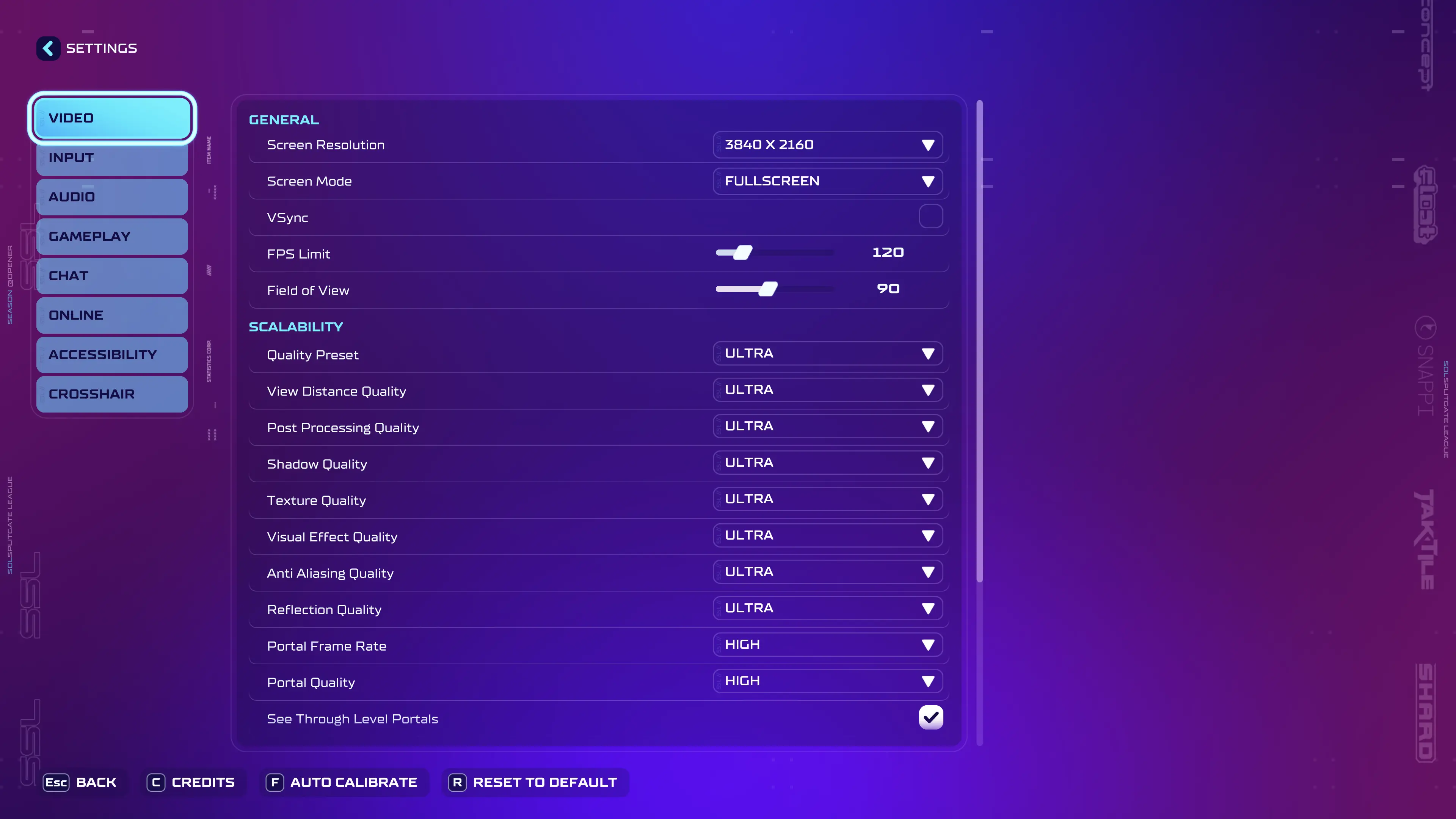
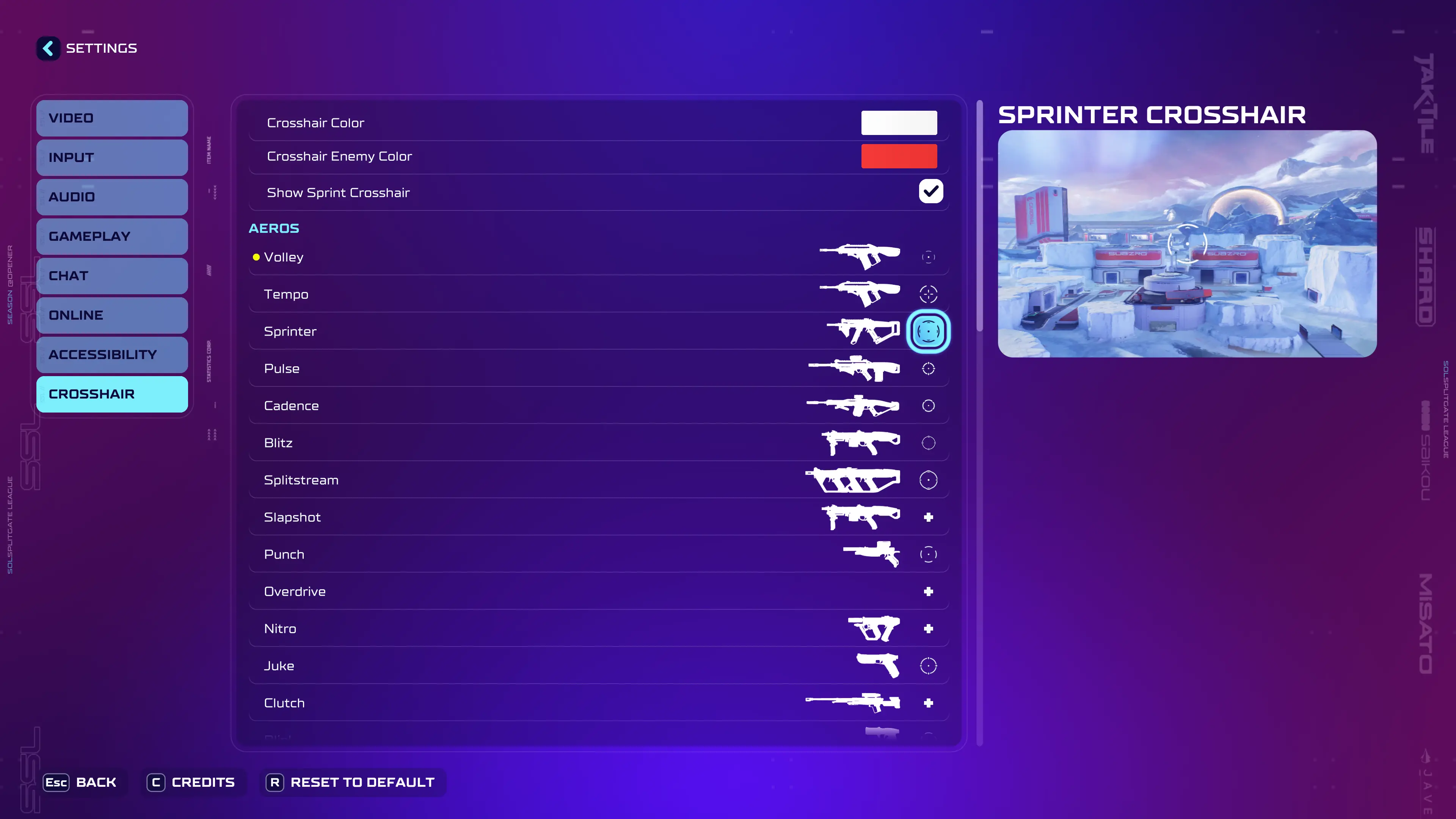
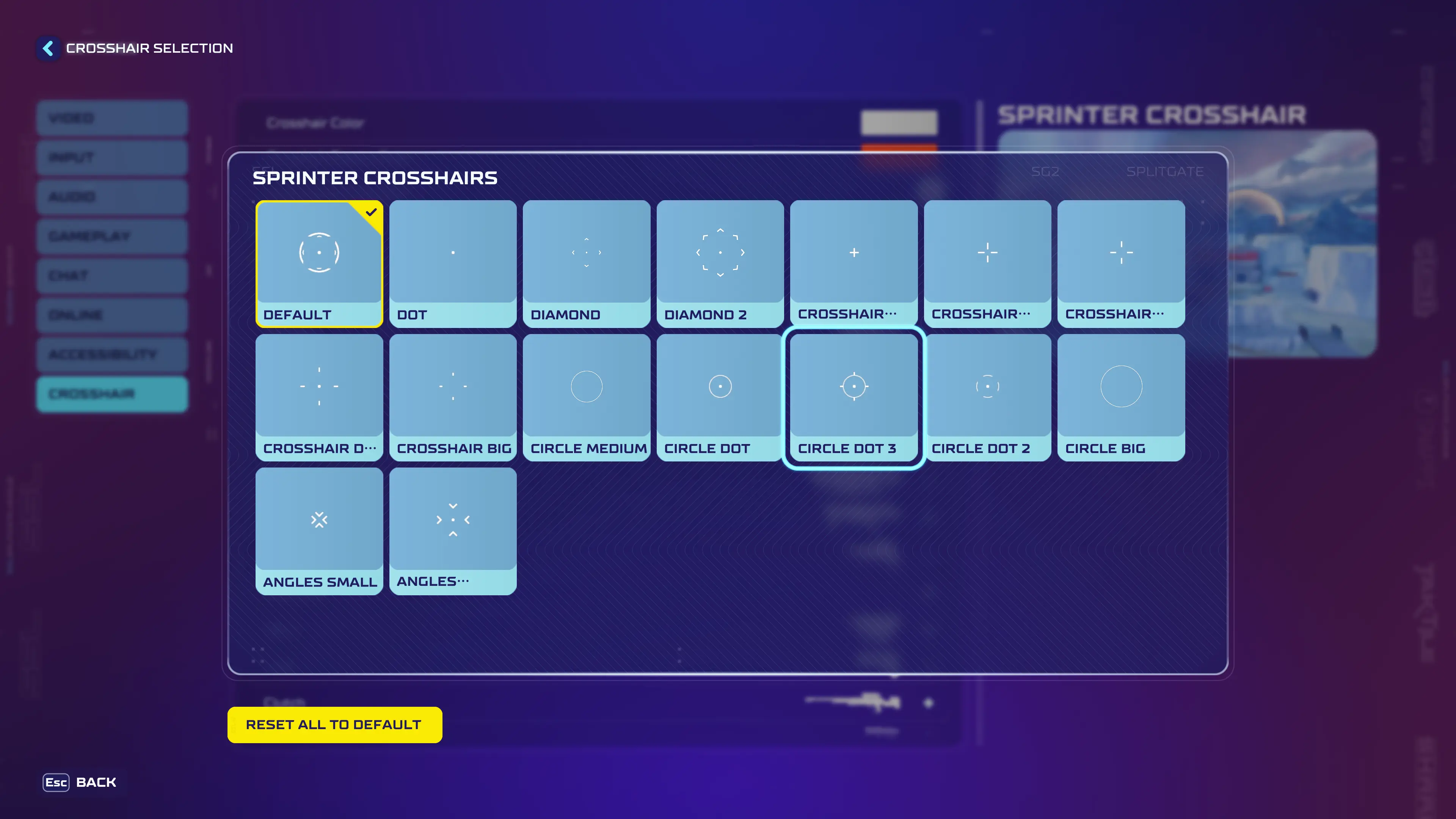
(check CMS context / gallery slot)
The front end operates as a unified system.
Identity, progression, customization, and live content are connected through deliberate UX architecture and in-engine implementation. Animation, feedback systems, dynamic camera work, lighting, materials, and 3D presentation all work together to support clarity and responsiveness.
Every layer was considered. The result is a cohesive experience that feels intentional, scalable, and production-ready.
-
/04
Front End Menus
The front end operates as a unified system.
Identity, progression, customization, and live content are connected through deliberate UX architecture and in-engine implementation. Animation, feedback systems, dynamic camera work, lighting, materials, and 3D presentation all work together to support clarity and responsiveness.
Every layer was considered. The result is a cohesive experience that feels intentional, scalable, and production-ready.
-
/04
Front End Menus
Final Thoughts
-
My approach to UI is foundation-driven, structure first, scale second , allowing complexity to grow without compromising clarity, performance, or visual integrity.
Introduction
-
Splitgate 2 required balancing speed, clarity, and scalability across multiple gameplay modes. Rather than treating Arena, Battle Royale, and Front End as isolated surfaces, the interface was structured as a cohesive system, engineered to expand.
Credits
+