© 2025 - Day Studio Inc
© 2025 - Day Studio Inc

Project
-
Valorant was still finding its shape when I joined. The gameplay direction was moving fast, and the interface needed to keep up, not just visually, but structurally. My work focused on the foundational layer: how the game communicated, how players read it under pressure, and how those patterns could hold as the product grew.
Introduction
-
When I came on, much of the interface was still programmer art, placeholder logic while the team figured out what the game actually was. That's a good time to do UX work. The structural decisions you make before the visual layer arrives tend to stick. My work spanned HUD concepting, wireframing, interaction prototyping, and early visual exploration across multiple playable milestones. I worked closely with gameplay designers, engineers, and art direction, less about executing a spec, more about helping the team build shared intuition about what the interface needed to do.
Client
Riot Games
Roles
Senior UI/UX Designer
Year
2020
Project
-
Valorant was still finding its shape when I joined. The gameplay direction was moving fast, and the interface needed to keep up, not just visually, but structurally. My work focused on the foundational layer: how the game communicated, how players read it under pressure, and how those patterns could hold as the product grew.
Introduction
-
When I came on, much of the interface was still programmer art, placeholder logic while the team figured out what the game actually was. That's a good time to do UX work. The structural decisions you make before the visual layer arrives tend to stick. My work spanned HUD concepting, wireframing, interaction prototyping, and early visual exploration across multiple playable milestones. I worked closely with gameplay designers, engineers, and art direction, less about executing a spec, more about helping the team build shared intuition about what the interface needed to do.
Client
Riot Games
Roles
Senior UI/UX Designer
Year
2020
Direction
-
/01
Foundations & Direction
-
Early development meant working without a fixed target. Gameplay mechanics were changing, visual identity was unsettled, and the interface had to stay useful regardless.
I focused on the parts that needed to be right before anything else could be: how the HUD was structured, how information was prioritized, how players would orient themselves during a round. That kind of foundational work doesn't always survive a long production cycle, but a lot of it did.
Direction
-
/01
Foundations & Direction
-
Early development meant working without a fixed target. Gameplay mechanics were changing, visual identity was unsettled, and the interface had to stay useful regardless.
I focused on the parts that needed to be right before anything else could be: how the HUD was structured, how information was prioritized, how players would orient themselves during a round. That kind of foundational work doesn't always survive a long production cycle, but a lot of it did.
Direction
-
/01
Foundations & Direction
-
Early development meant working without a fixed target. Gameplay mechanics were changing, visual identity was unsettled, and the interface had to stay useful regardless.
I focused on the parts that needed to be right before anything else could be: how the HUD was structured, how information was prioritized, how players would orient themselves during a round. That kind of foundational work doesn't always survive a long production cycle, but a lot of it did.
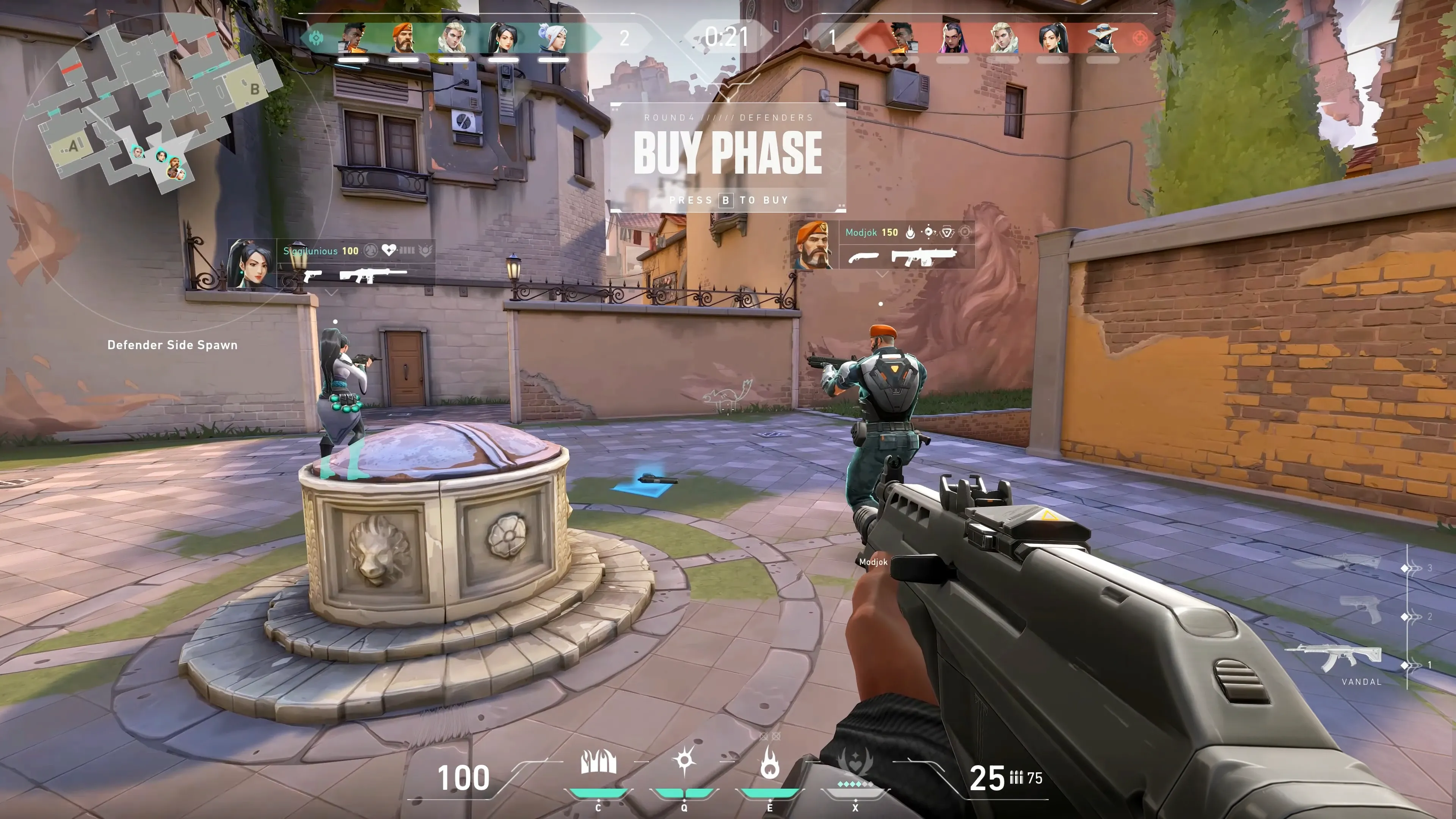
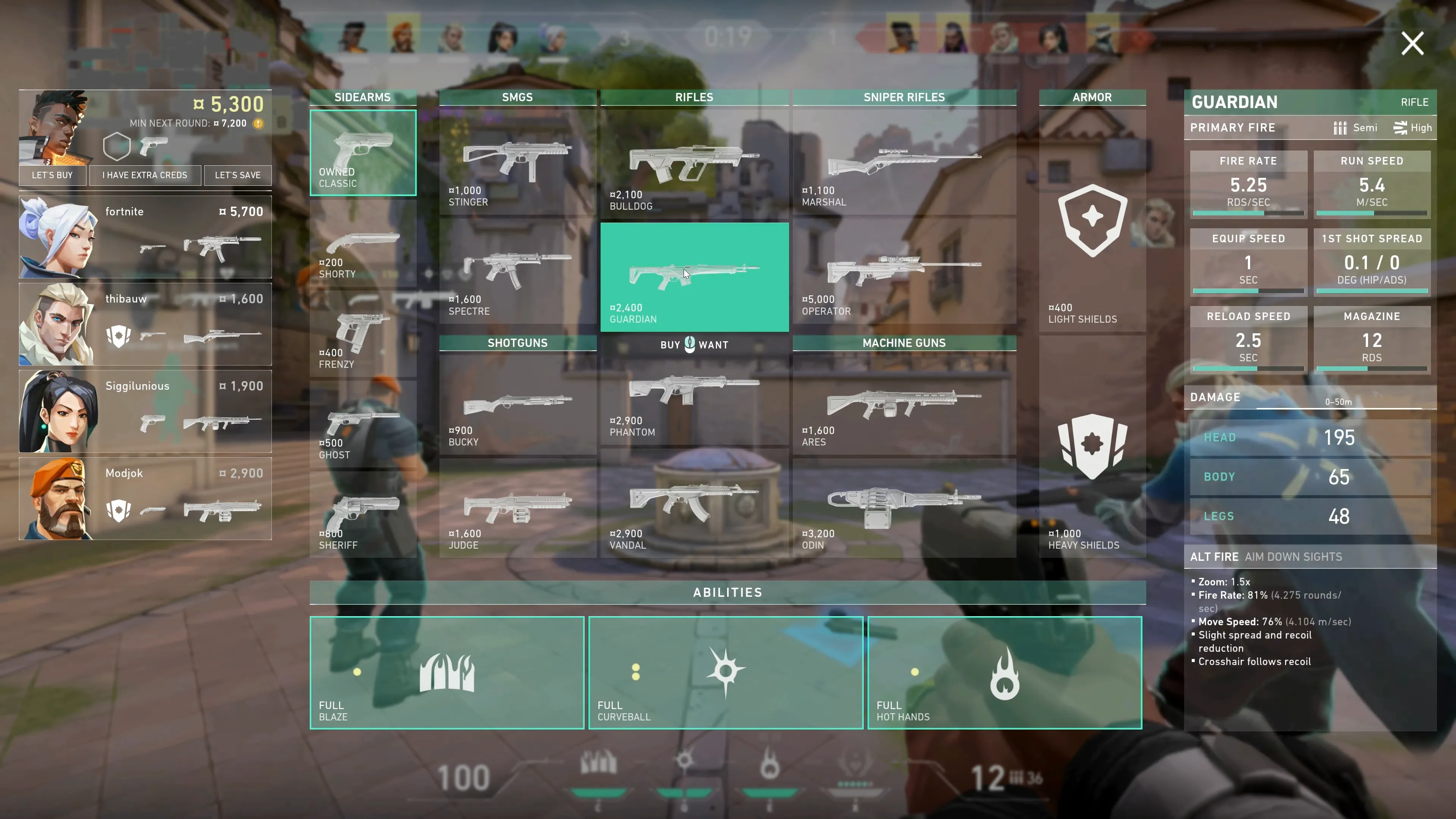
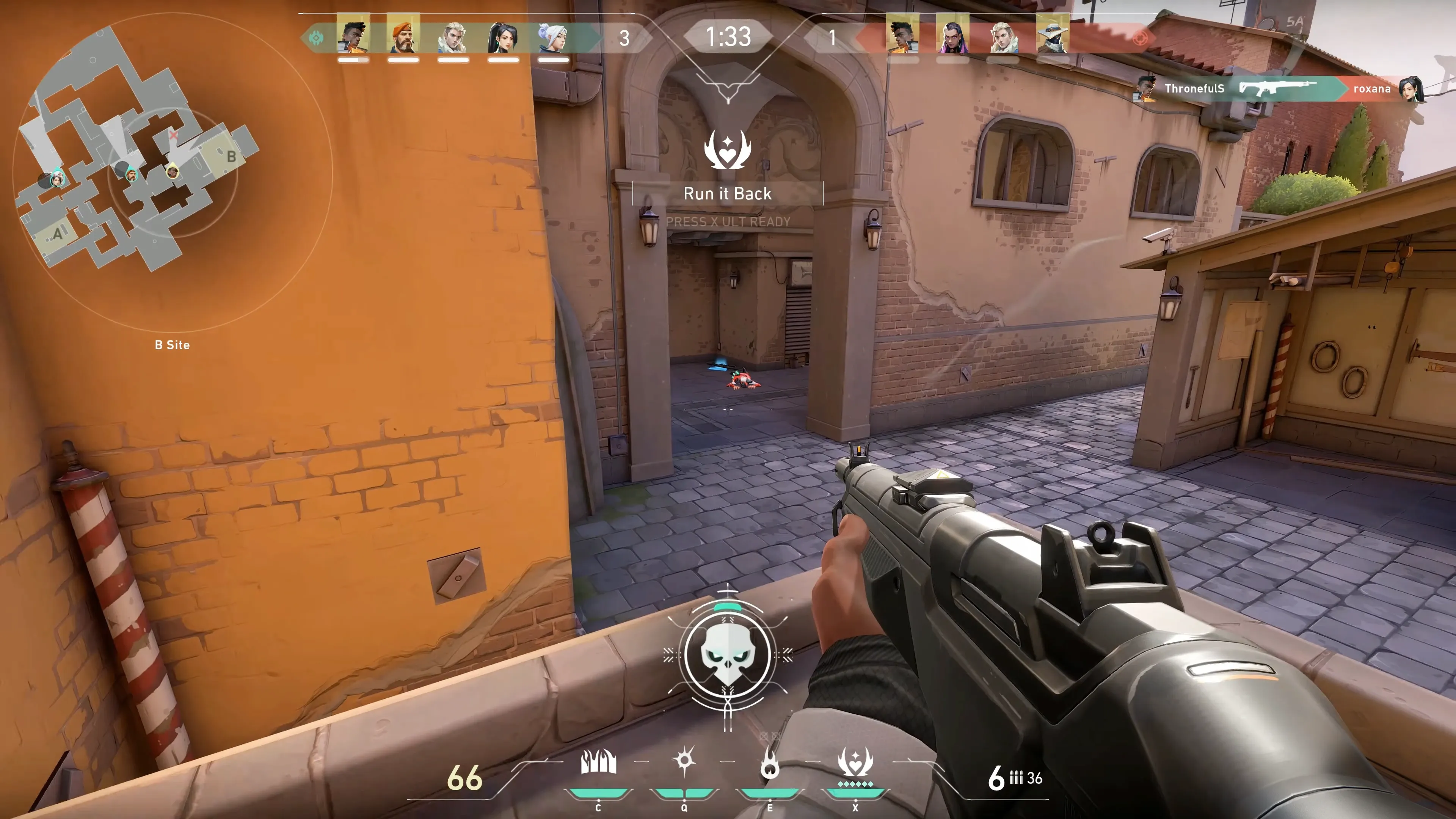
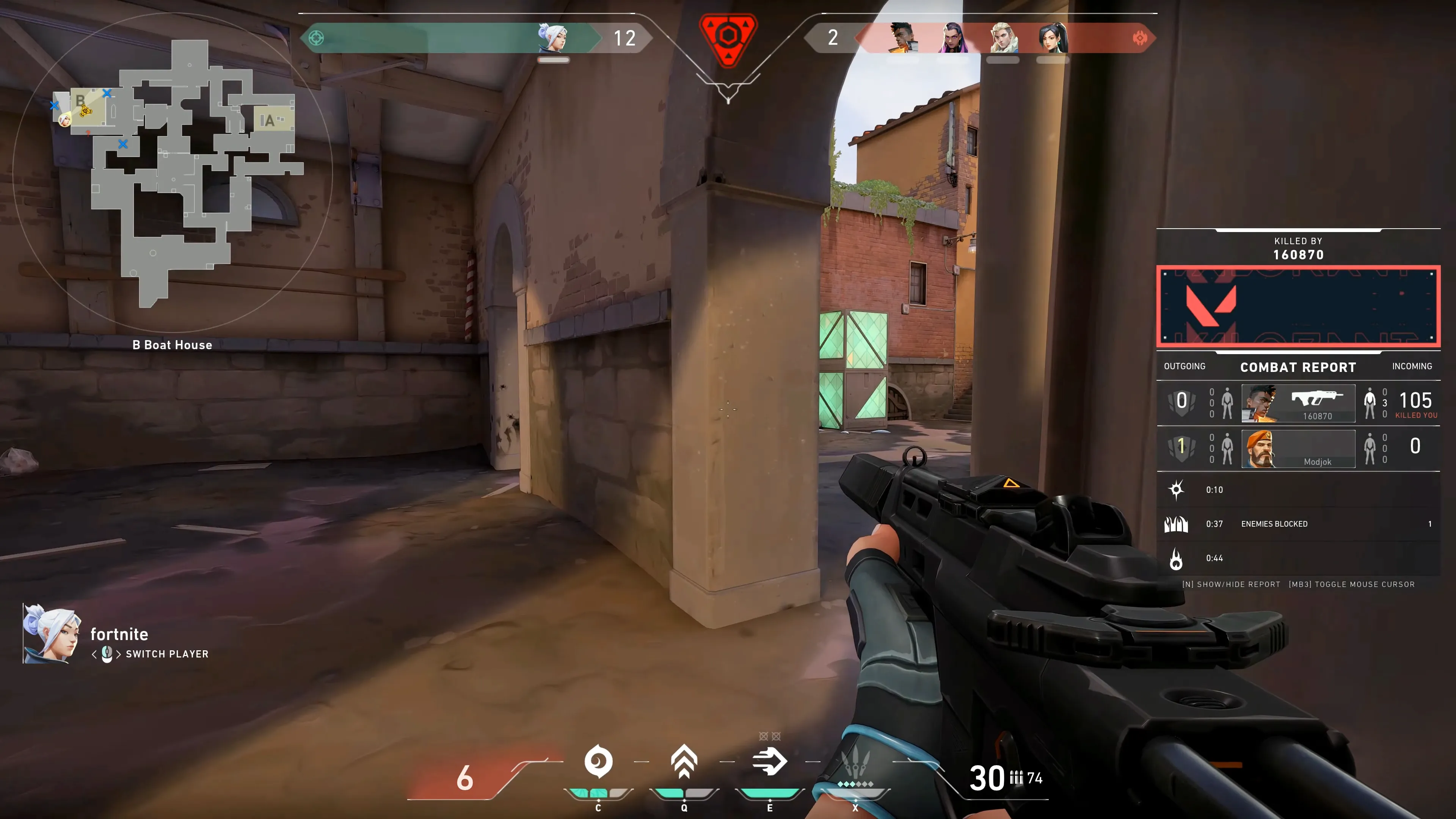
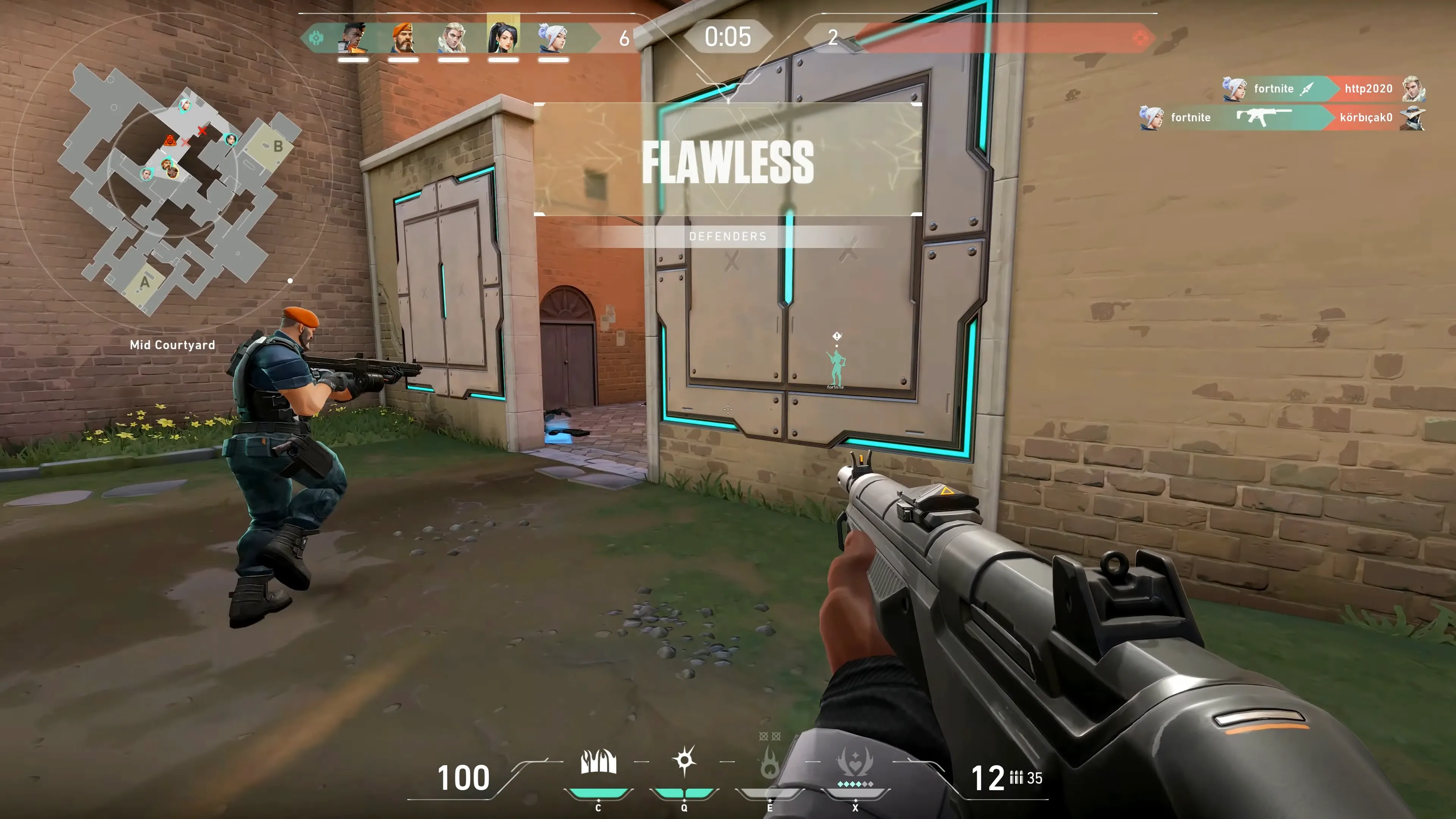

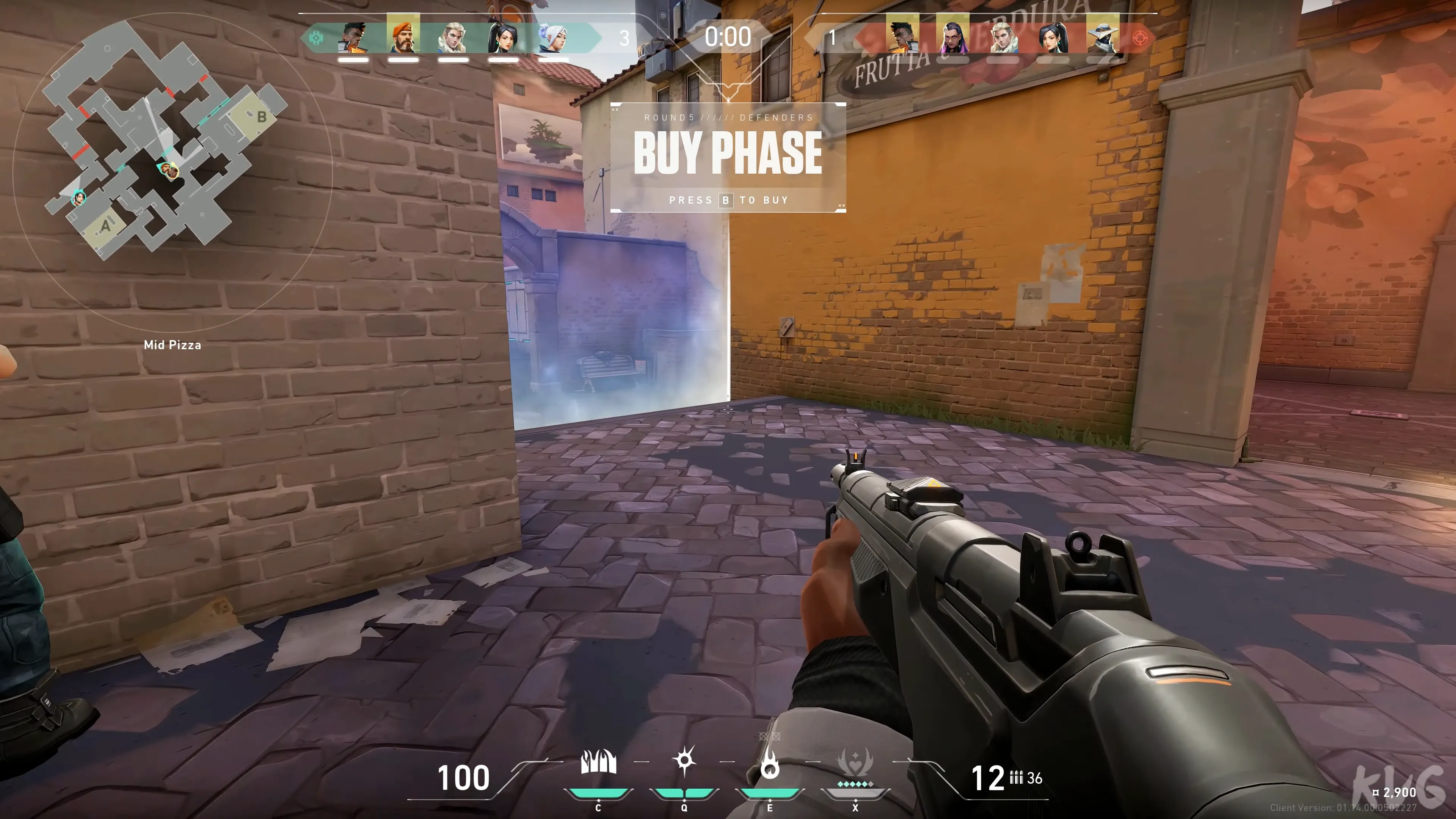
(check CMS context / gallery slot)
User Interface & Gameplay Foundations
The gameplay interface was built around clarity, speed, and competitive readability, ensuring critical information remained immediately understandable during high-pressure gameplay moments.
My contributions focused on gameplay UX foundations, HUD structure, wireframing, prototyping, and early interface exploration across multiple playable milestones. In collaboration with gameplay, engineering, and visual direction teams, the work helped establish scalable interaction patterns and gameplay-first UX foundations that continued evolving throughout production.
-
/01
Foundations & Direction
User Interface & Gameplay Foundations
The gameplay interface was built around clarity, speed, and competitive readability, ensuring critical information remained immediately understandable during high-pressure gameplay moments.
My contributions focused on gameplay UX foundations, HUD structure, wireframing, prototyping, and early interface exploration across multiple playable milestones. In collaboration with gameplay, engineering, and visual direction teams, the work helped establish scalable interaction patterns and gameplay-first UX foundations that continued evolving throughout production.
-
/01
Foundations & Direction
Gameplay
-
/02
Vanilla UI & Prototyping
-
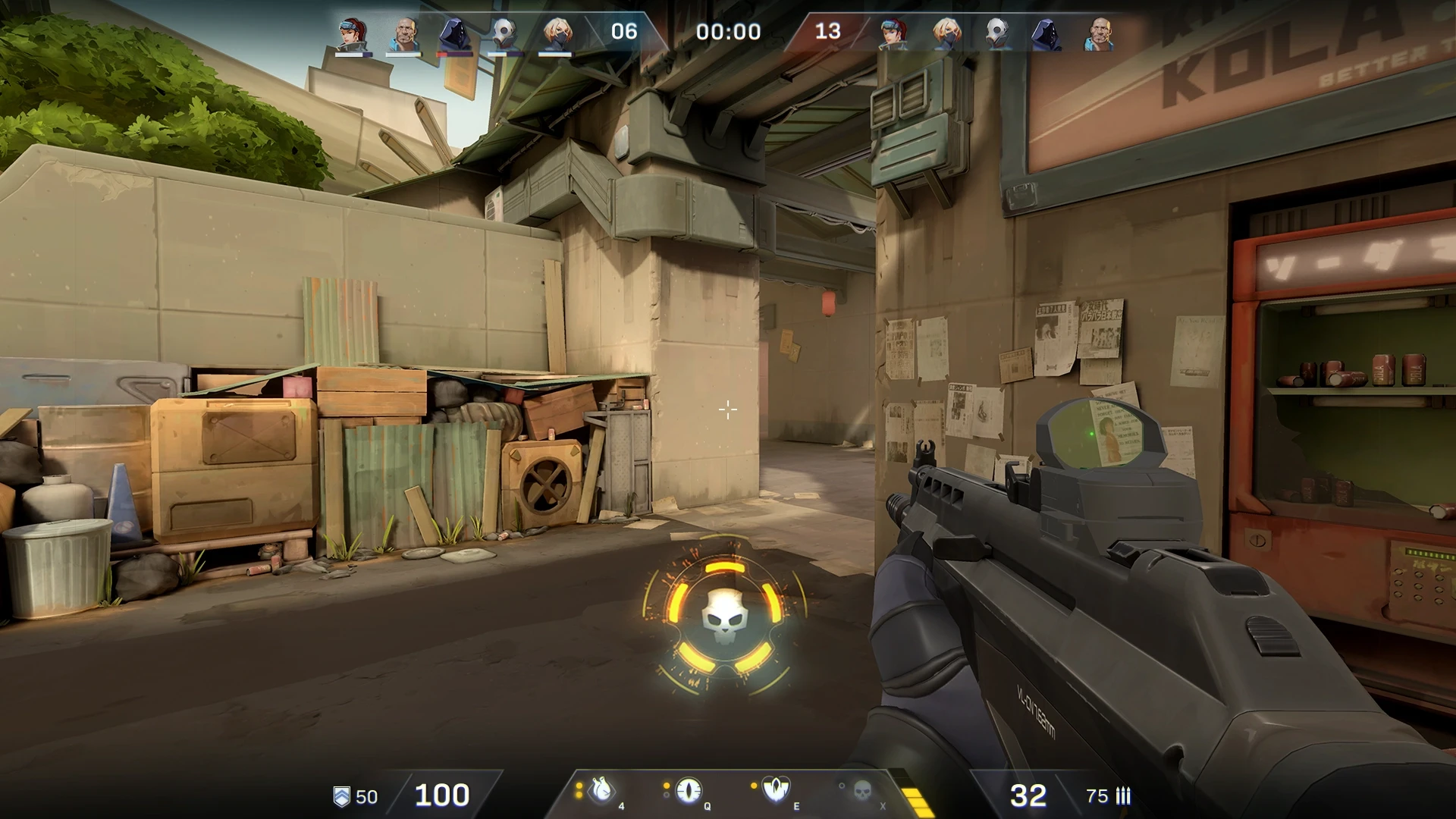
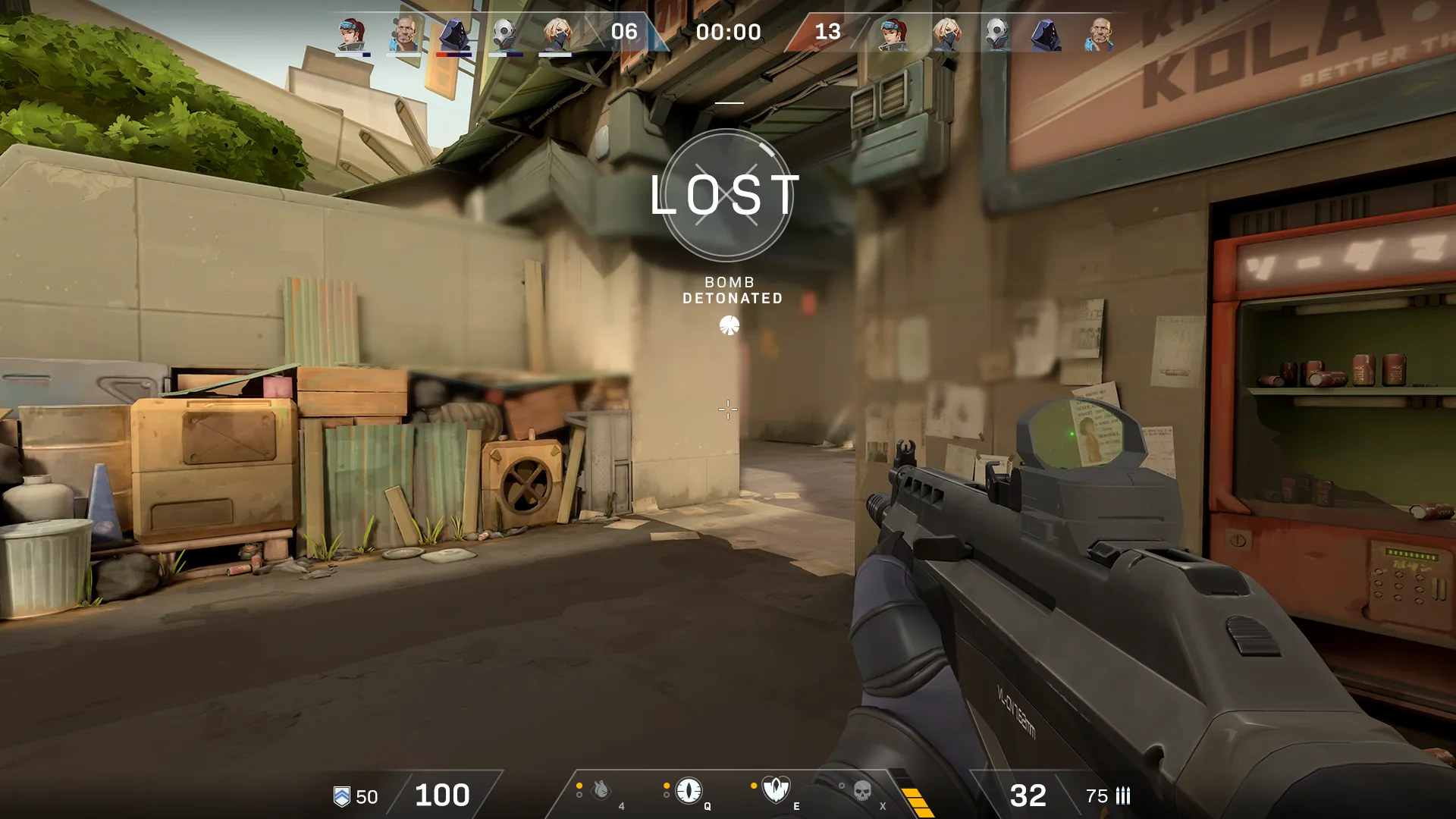
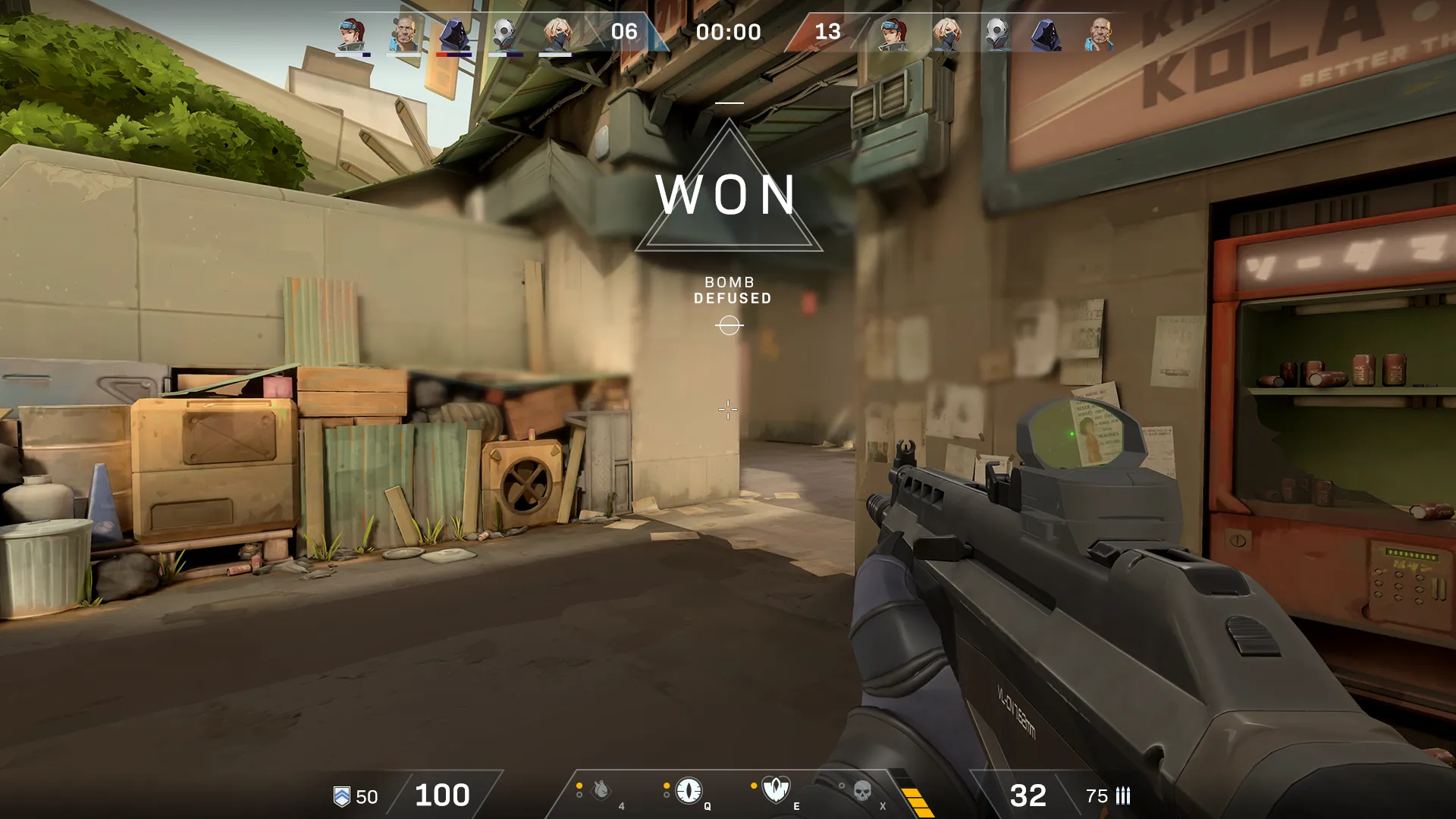
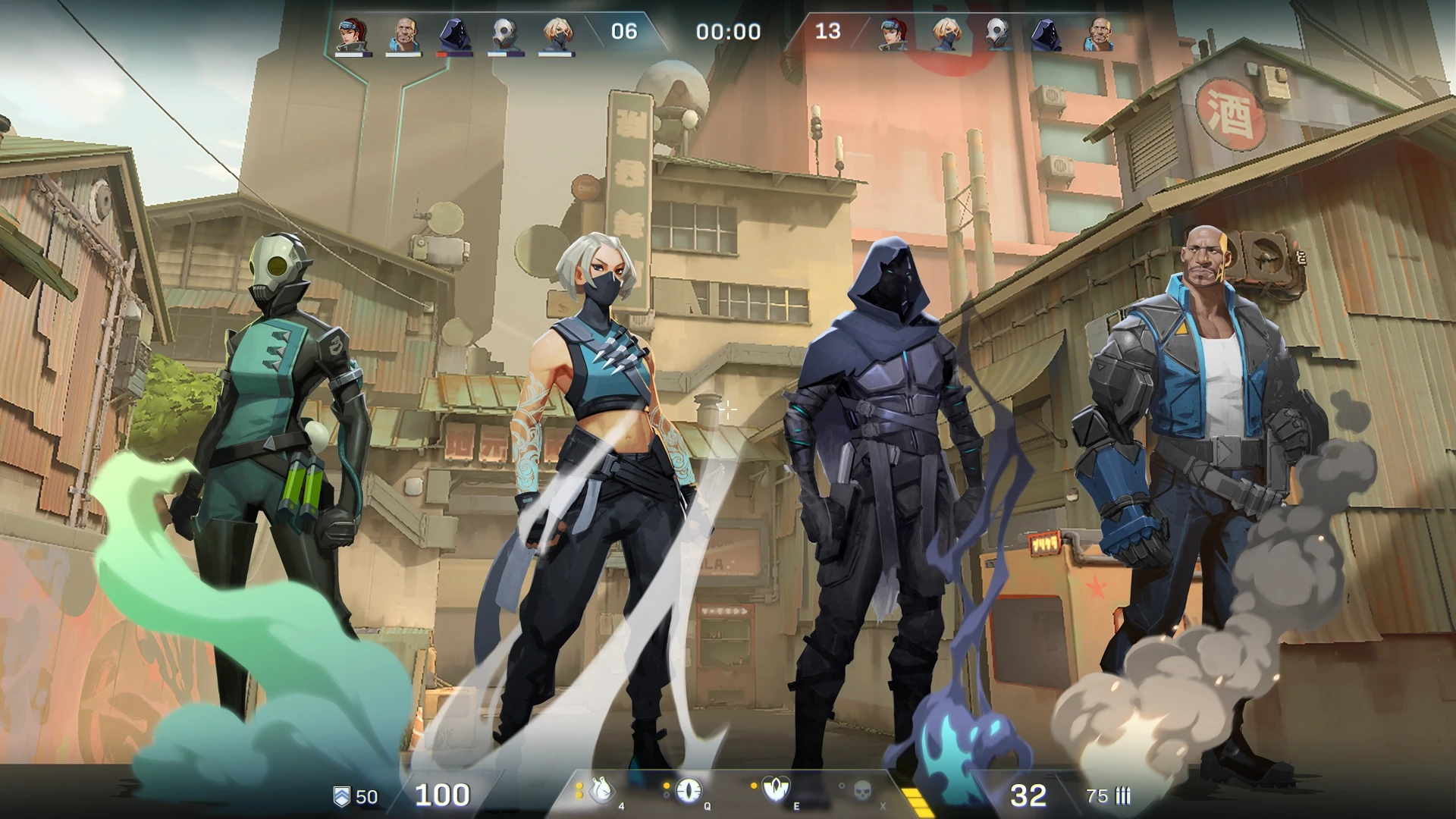
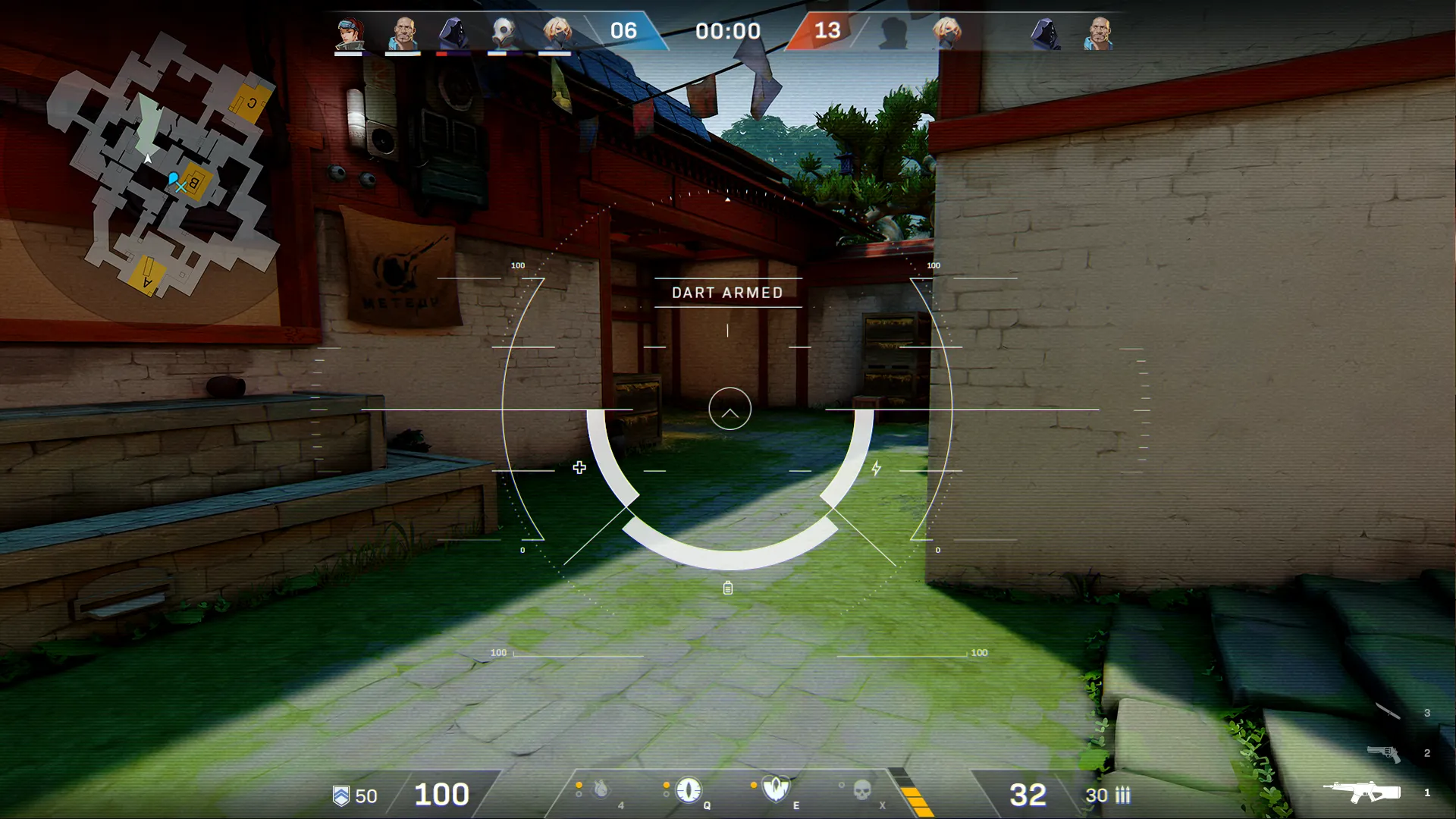
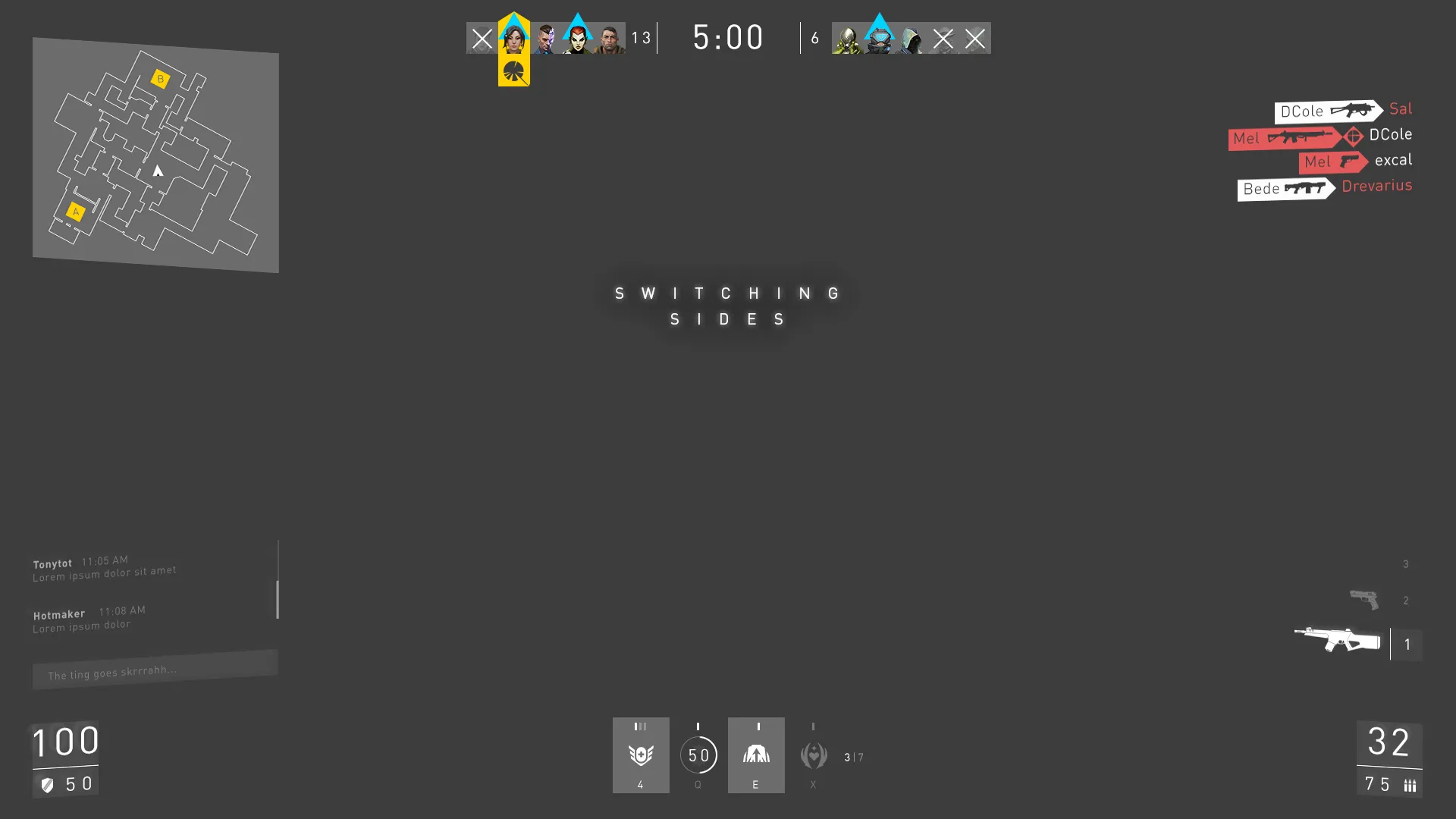
With visual direction still in flux, we needed a way to test gameplay UX without waiting for final art. The answer was keeping things deliberately simple.
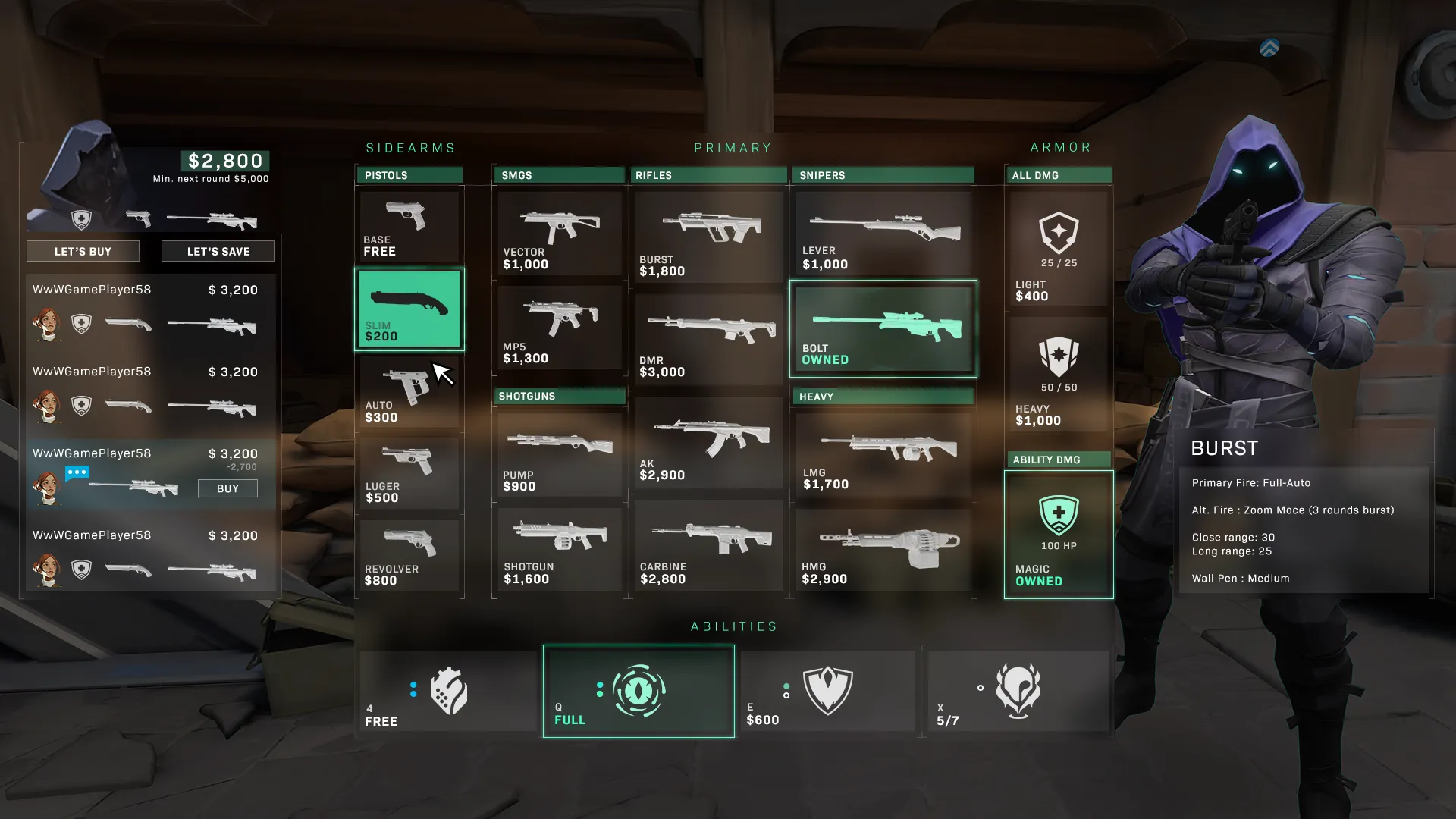
"Vanilla UI" meant functional, unstyled builds made to be played, not presented. If something didn't read clearly in that stripped-down form, polish wasn't going to save it. It was a useful constraint. We ran this approach across HUDs, ability interfaces, minimap logic, and economy flows. The goal in each case was the same: validate the structure inside real gameplay before locking anything down.
-
-
-
Gameplay
-
/02
Vanilla UI & Prototyping
-
With visual direction still in flux, we needed a way to test gameplay UX without waiting for final art. The answer was keeping things deliberately simple.
"Vanilla UI" meant functional, unstyled builds made to be played, not presented. If something didn't read clearly in that stripped-down form, polish wasn't going to save it. It was a useful constraint. We ran this approach across HUDs, ability interfaces, minimap logic, and economy flows. The goal in each case was the same: validate the structure inside real gameplay before locking anything down.
-
-
-
Gameplay
-
/02
Vanilla UI & Prototyping
-
With visual direction still in flux, we needed a way to test gameplay UX without waiting for final art. The answer was keeping things deliberately simple.
"Vanilla UI" meant functional, unstyled builds made to be played, not presented. If something didn't read clearly in that stripped-down form, polish wasn't going to save it. It was a useful constraint. We ran this approach across HUDs, ability interfaces, minimap logic, and economy flows. The goal in each case was the same: validate the structure inside real gameplay before locking anything down.
-
-
-
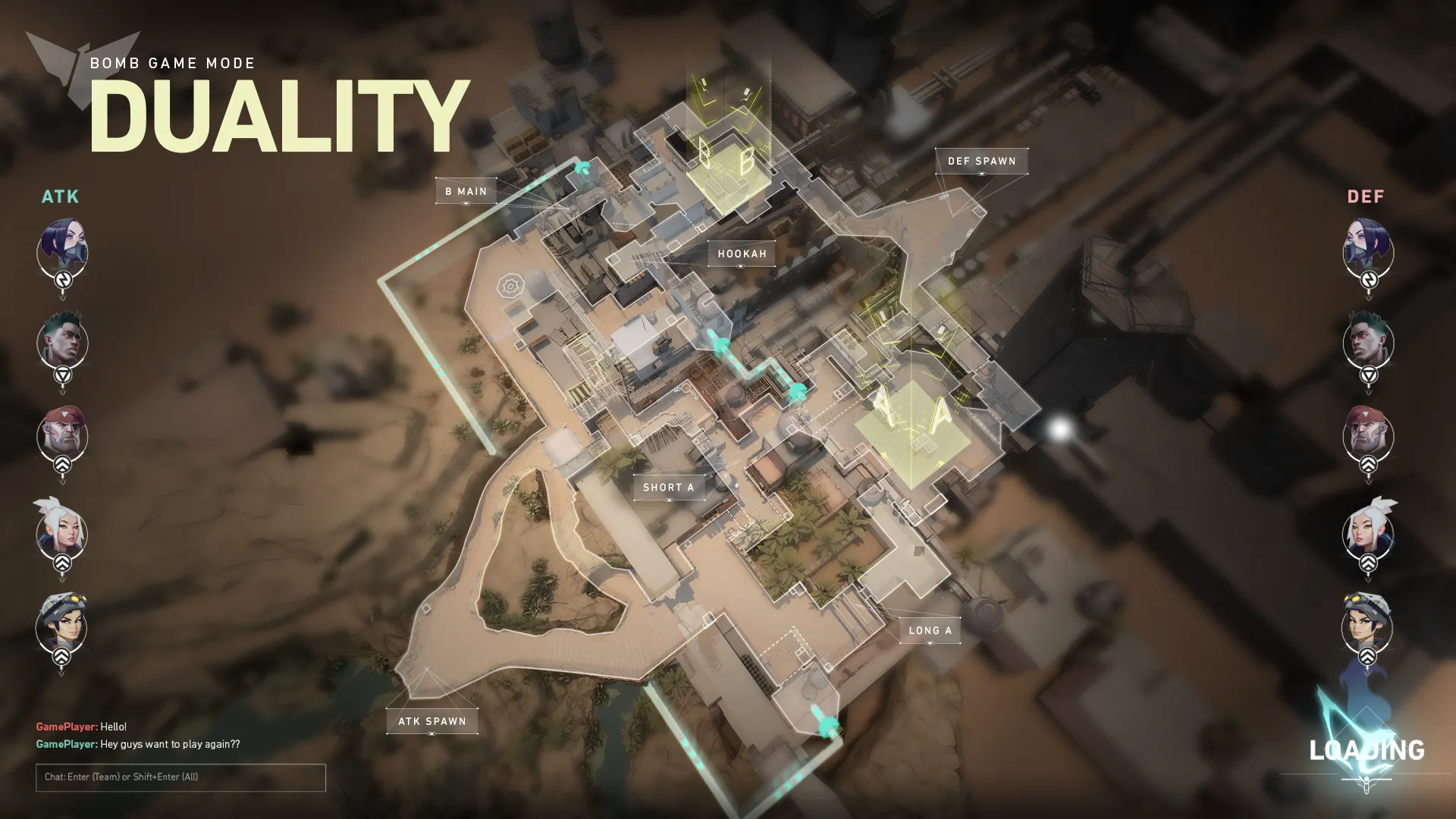
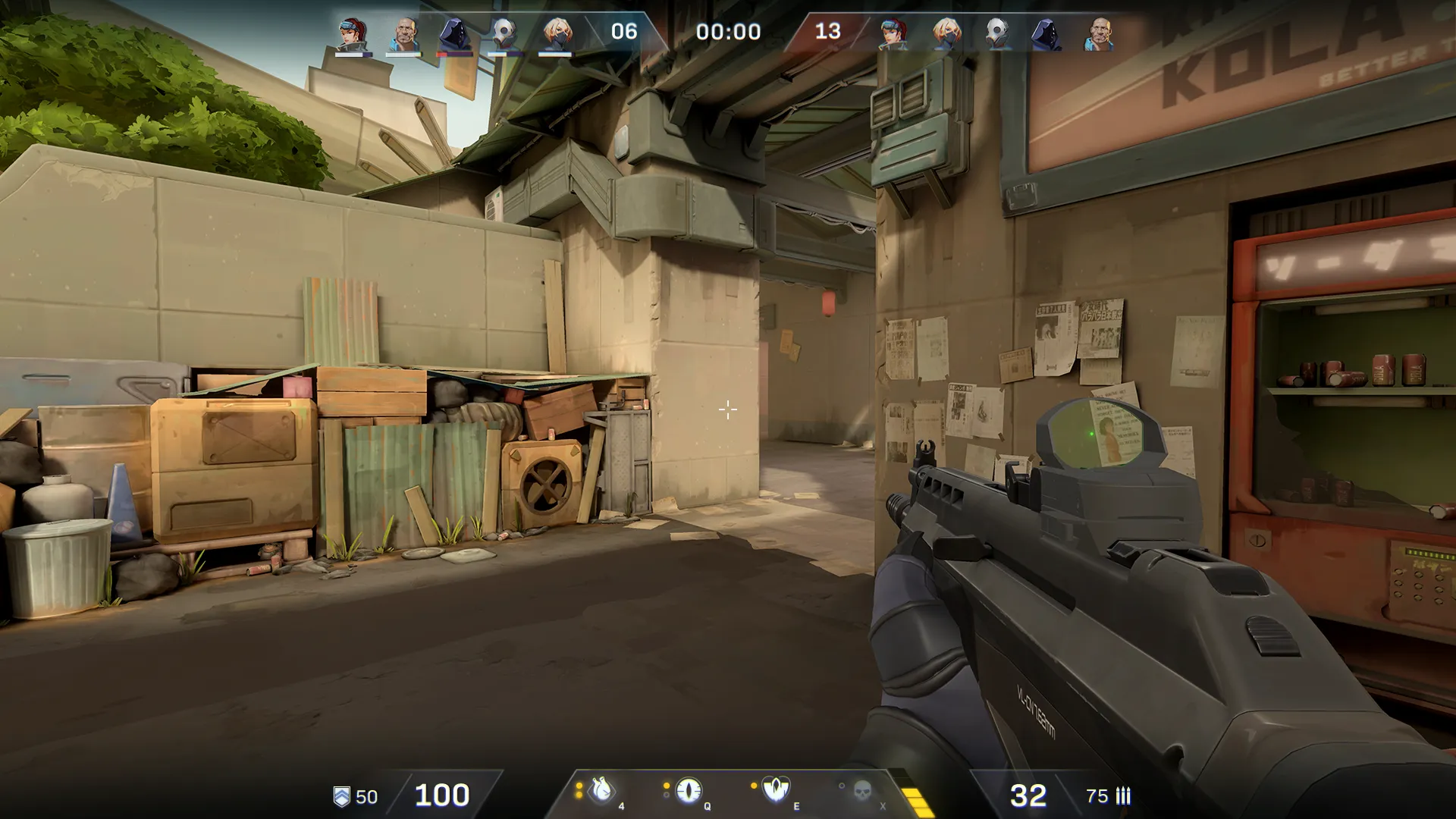
(check CMS context / gallery slot)
Economy Systems
(check CMS context / gallery slot)
(check CMS context / gallery slot)
Vanilla UI
Gameplay HUD
(check CMS context / gallery slot)
Building Competitive Clarity
The real test was always competitive play.
Playtests exposed things design reviews didn't, a cooldown that was easy to miss, an economy state that took too long to parse, a piece of UI that felt fine in isolation but fell apart under pressure. Those sessions drove most of the iteration.
-
/02
Vanilla UI & Prototyping
Building Competitive Clarity
The real test was always competitive play.
Playtests exposed things design reviews didn't, a cooldown that was easy to miss, an economy state that took too long to parse, a piece of UI that felt fine in isolation but fell apart under pressure. Those sessions drove most of the iteration.
-
/02
Vanilla UI & Prototyping
R&D
-
/03
Exploration & Visual Evolution
-
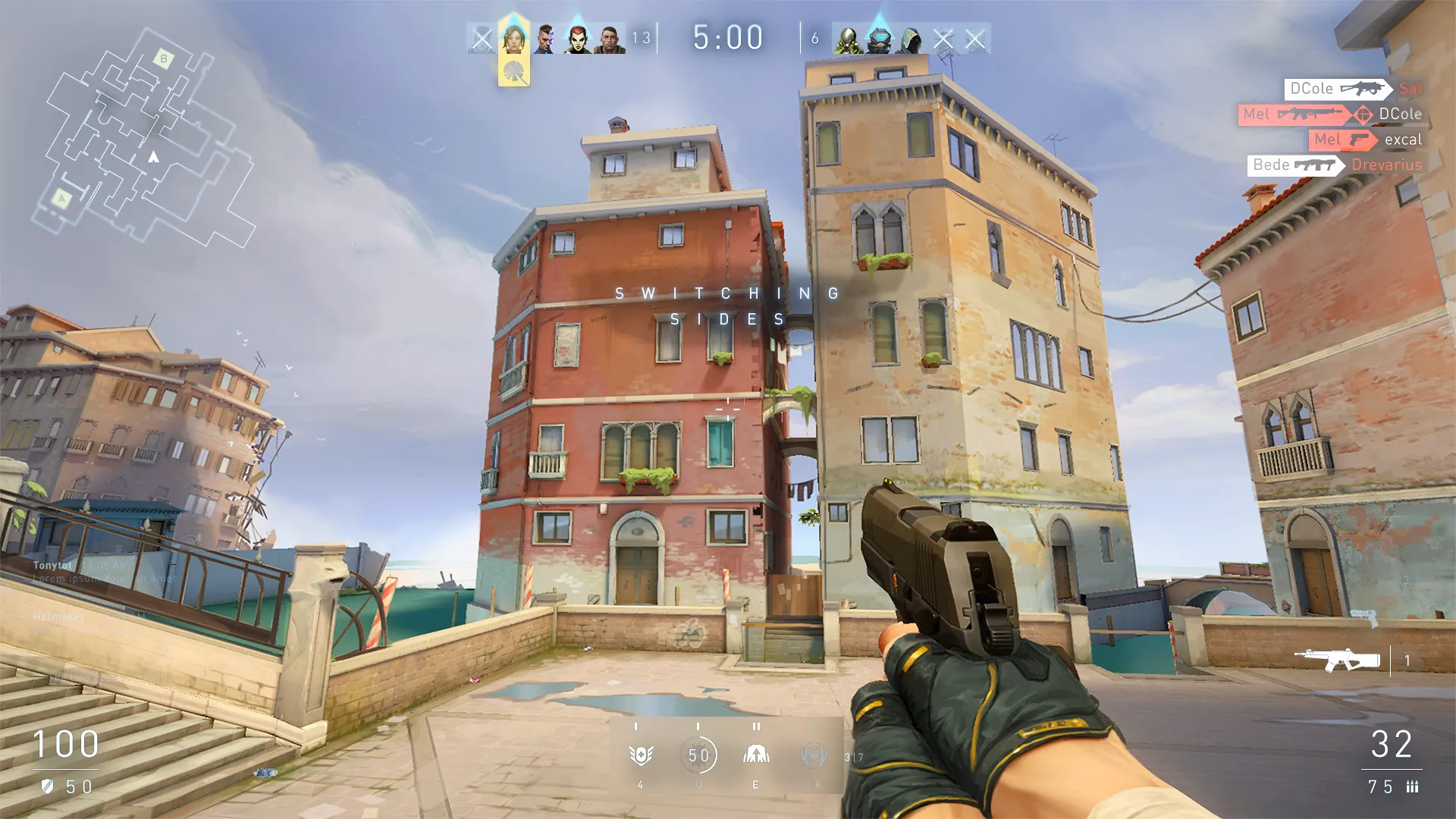
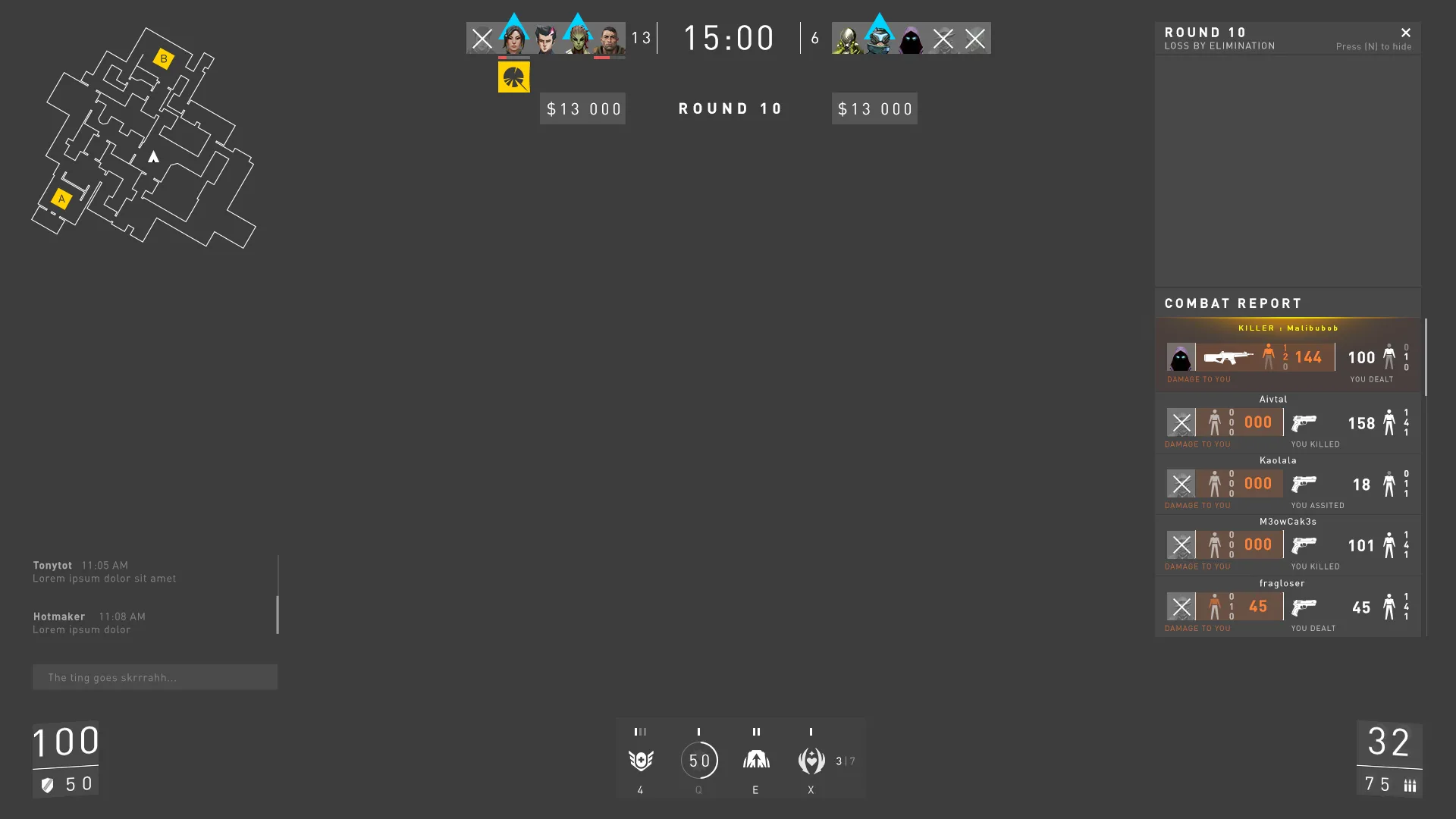
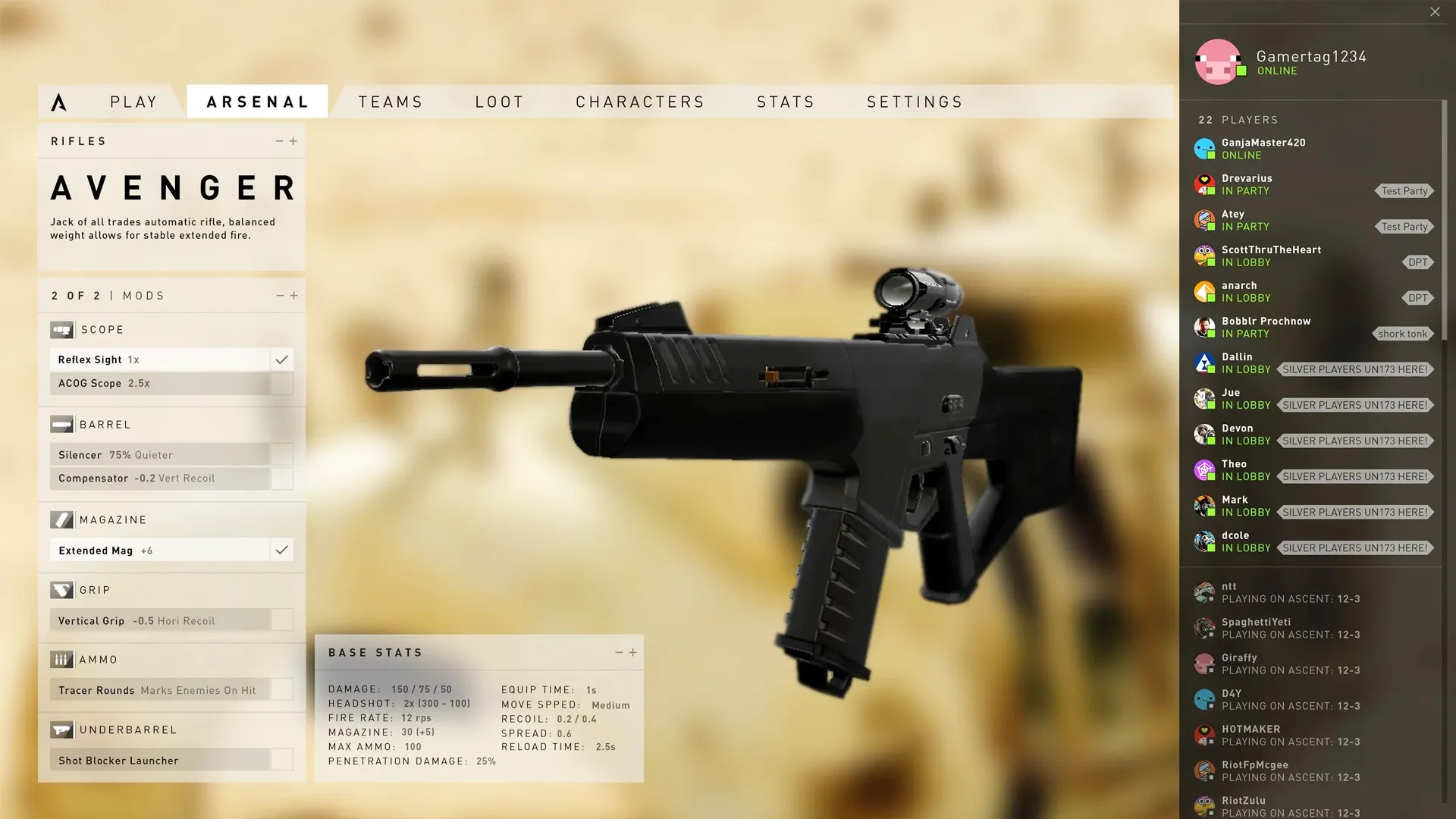
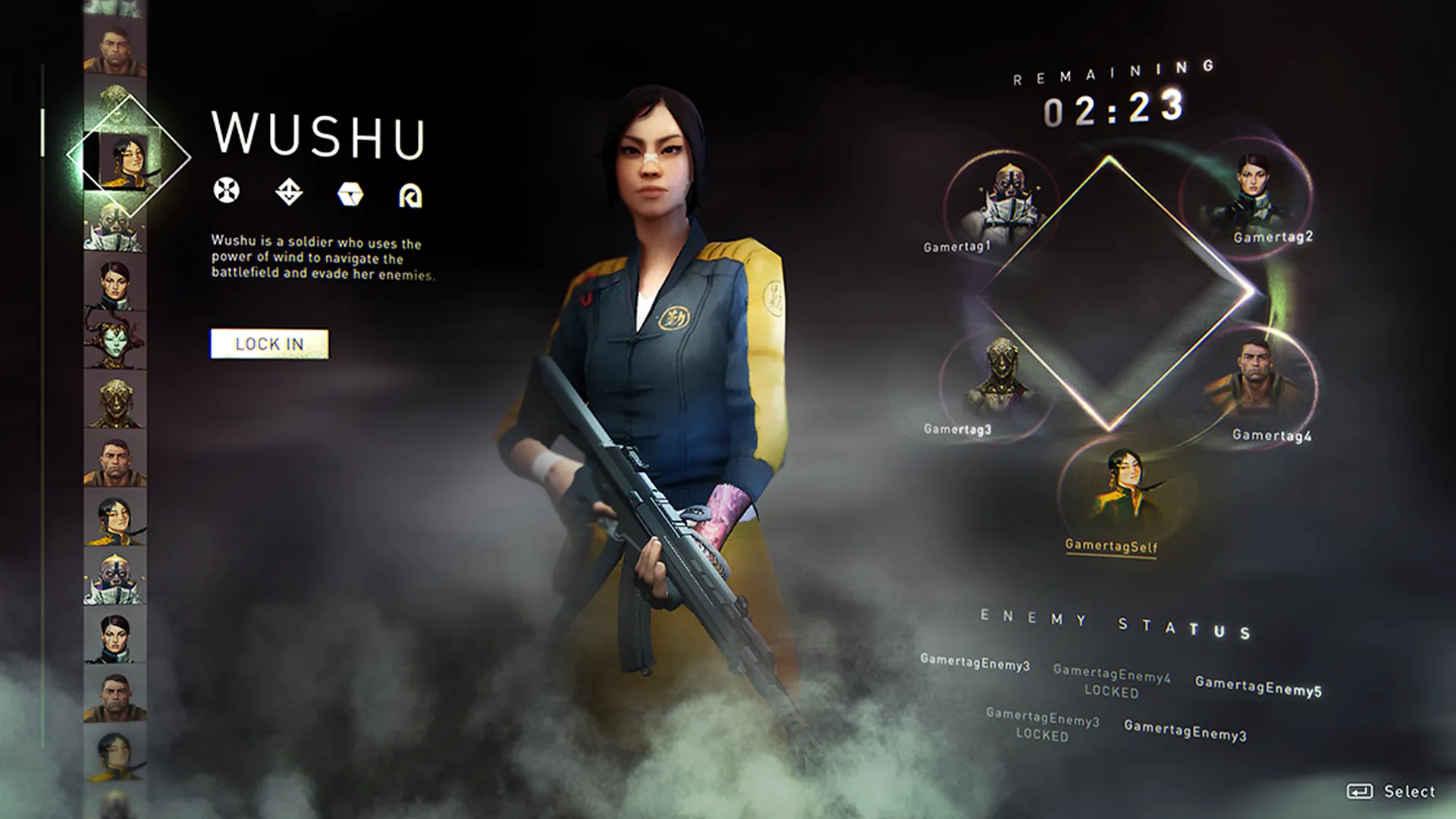
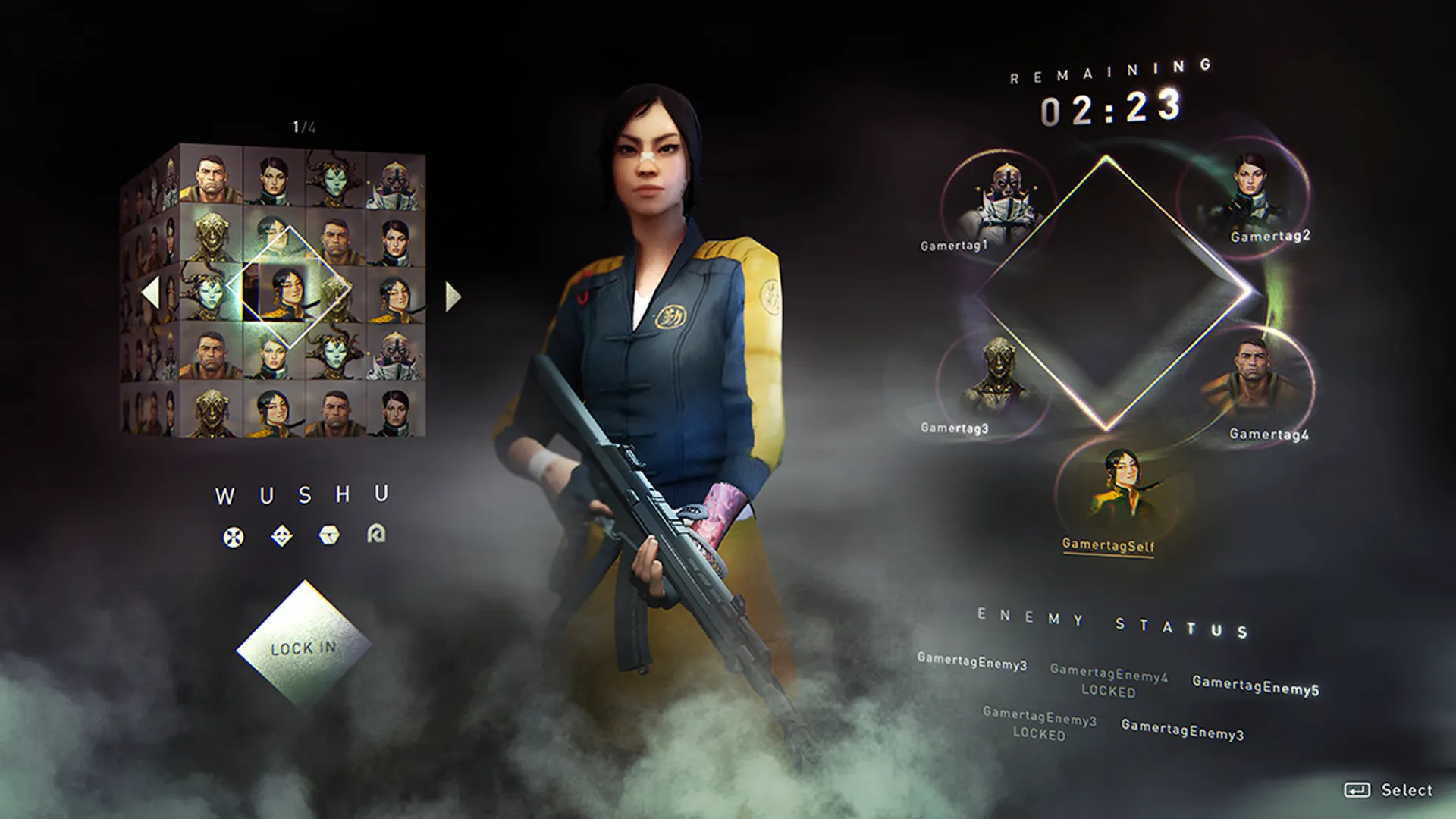
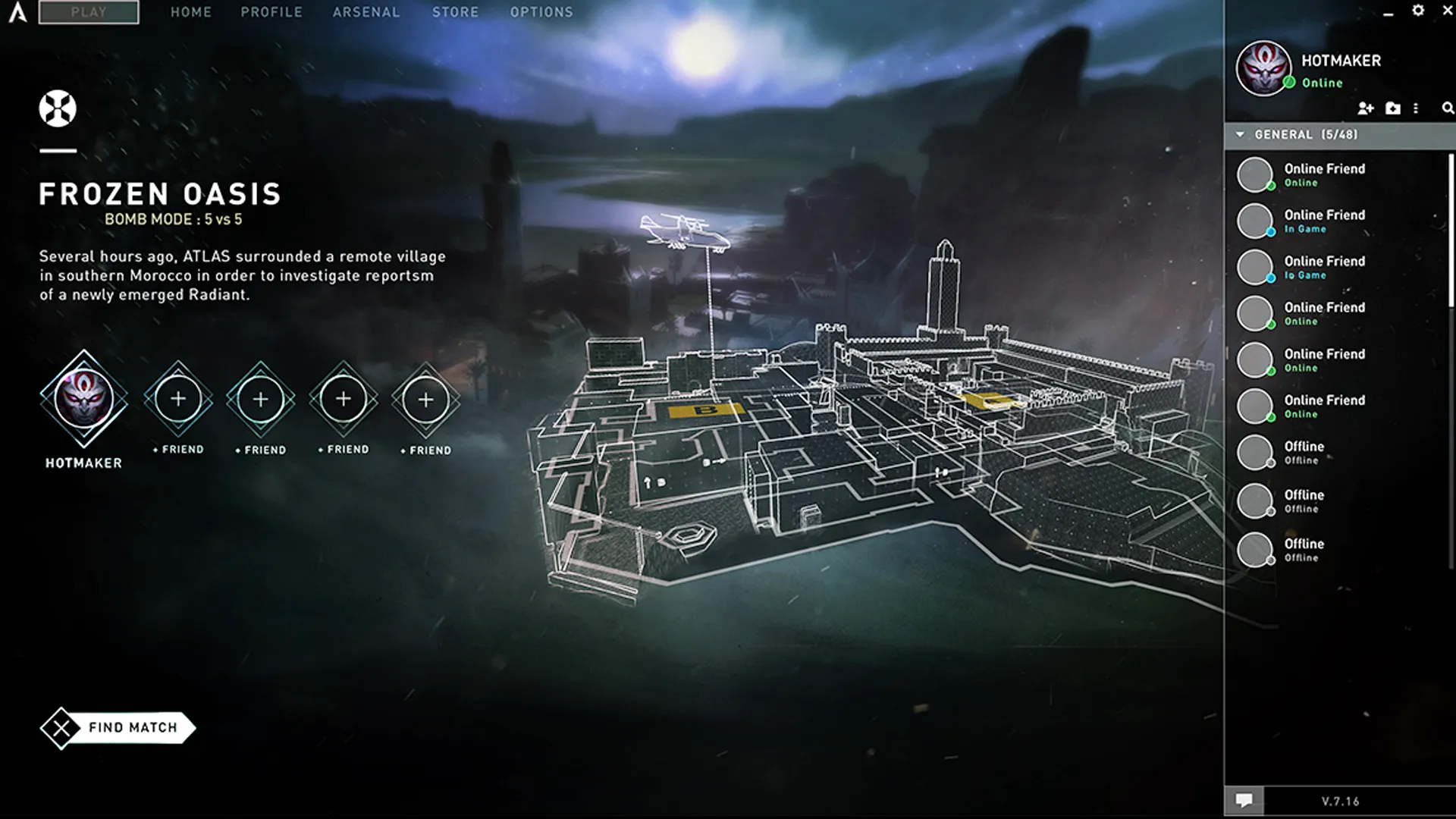
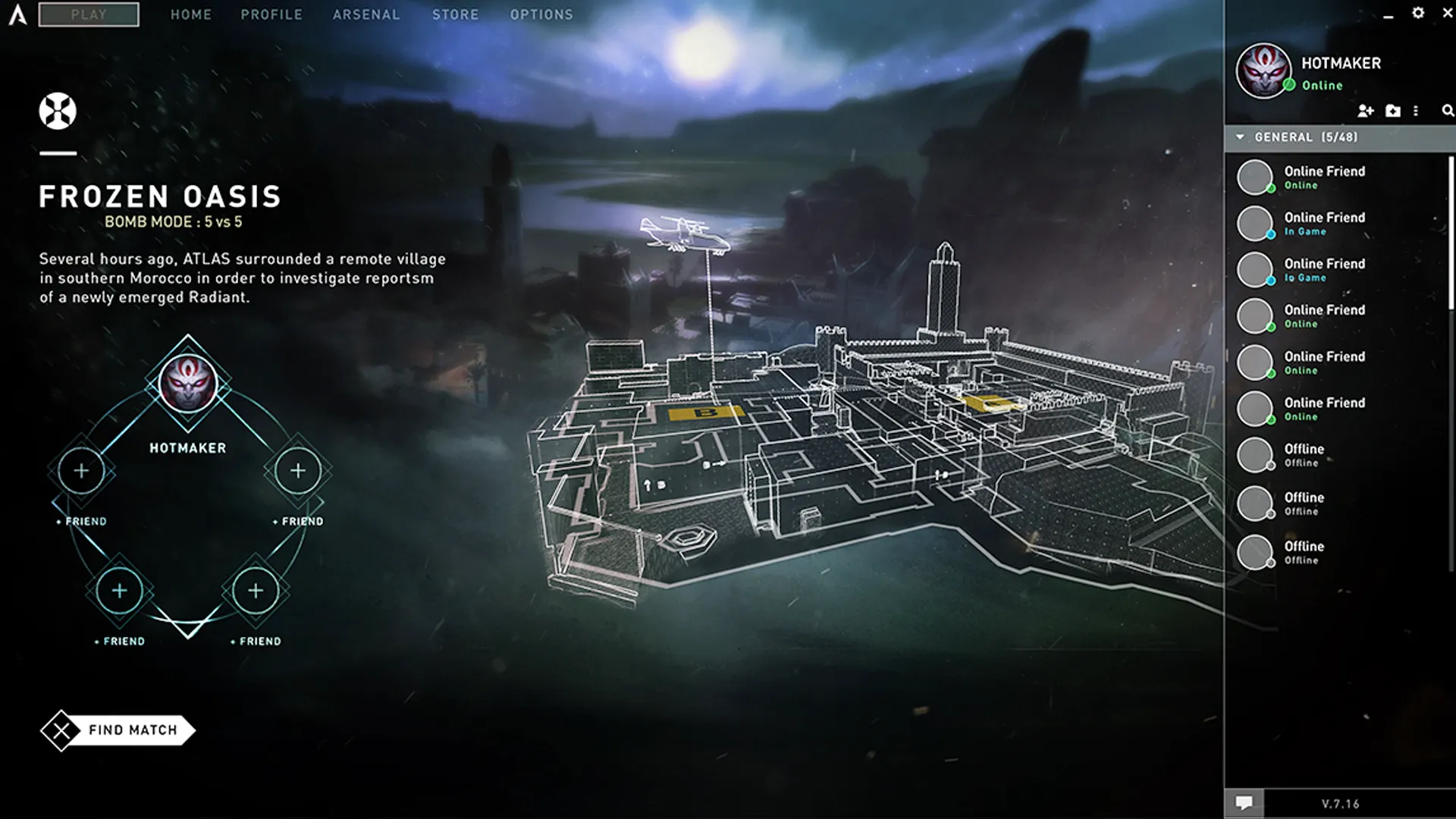
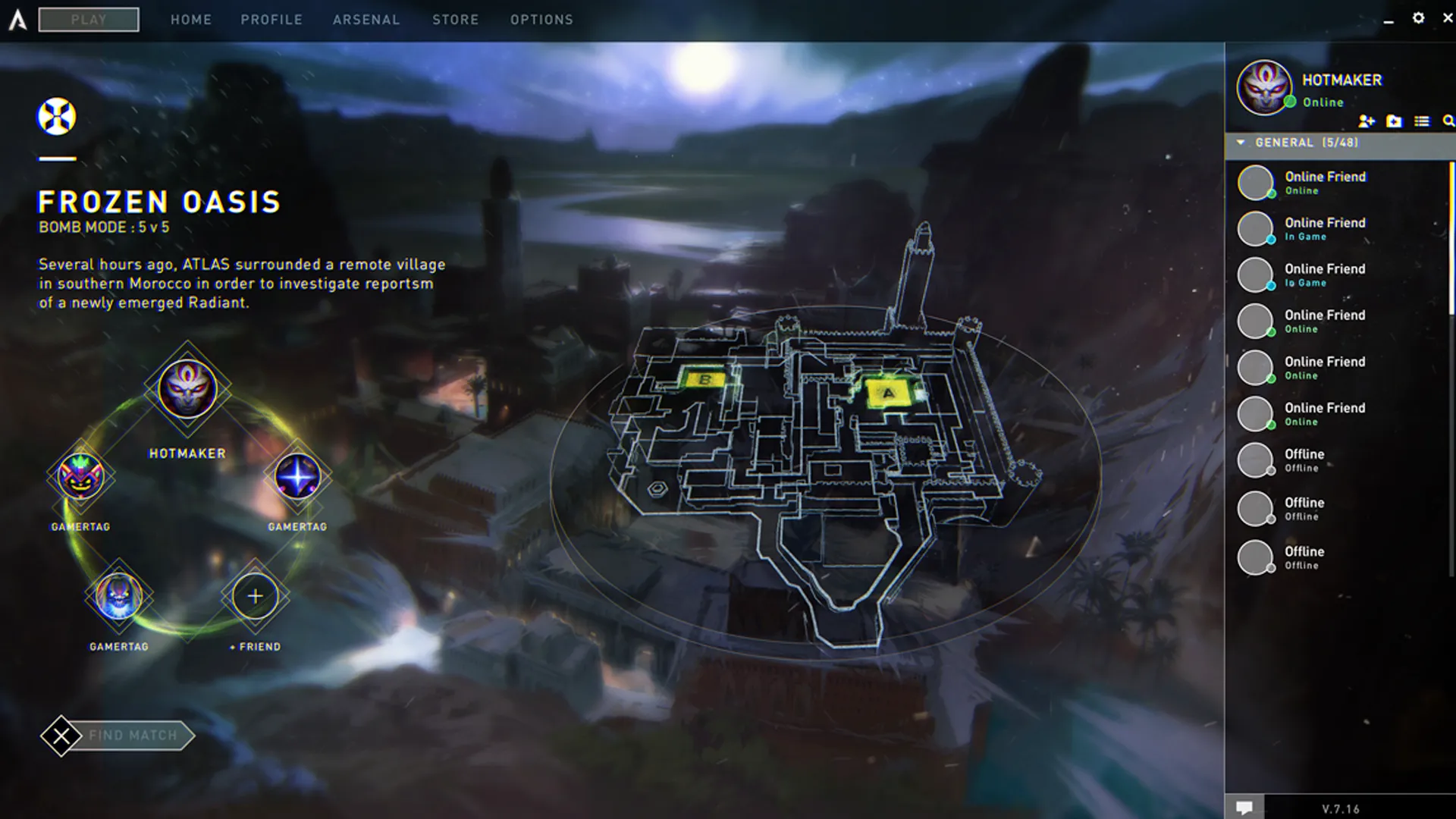
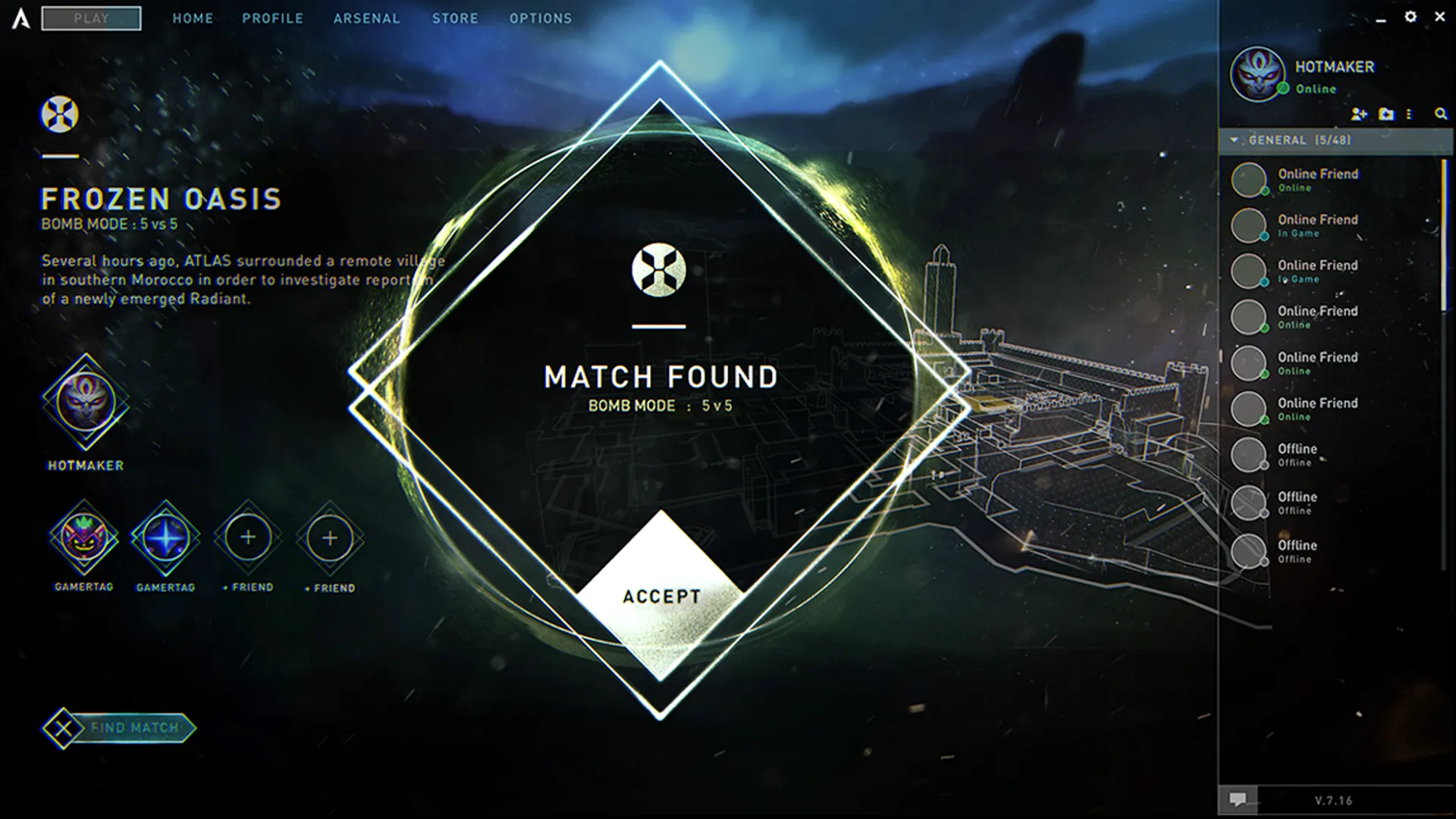
As the game's identity started to settle, the work shifted from structure to expression. The foundational questions were mostly answered, now it was about what the interface should feel like.
That meant running a lot of directions in parallel: type treatments, iconography, color, presentation logic. Most of it was exploratory, less about finding one right answer and more about helping the team develop shared taste. You learn a lot from the directions that don't make it.
R&D
-
/03
Exploration & Visual Evolution
-
As the game's identity started to settle, the work shifted from structure to expression. The foundational questions were mostly answered, now it was about what the interface should feel like.
That meant running a lot of directions in parallel: type treatments, iconography, color, presentation logic. Most of it was exploratory, less about finding one right answer and more about helping the team develop shared taste. You learn a lot from the directions that don't make it.
R&D
-
/03
Exploration & Visual Evolution
-
As the game's identity started to settle, the work shifted from structure to expression. The foundational questions were mostly answered, now it was about what the interface should feel like.
That meant running a lot of directions in parallel: type treatments, iconography, color, presentation logic. Most of it was exploratory, less about finding one right answer and more about helping the team develop shared taste. You learn a lot from the directions that don't make it.

(check CMS context / gallery slot)


(check CMS context / gallery slot)
Evolving the Interface Language
As the game matured, the interface had to move with it, new agents, new mechanics, a shifting competitive meta.
The explorations from this phase were less about defining a final look and more about building range: understanding what the UI could hold without losing coherence. The foundation stayed flexible because the early structural work gave it room to.
-
/03
Exploration & Visual Evolution
Evolving the Interface Language
As the game matured, the interface had to move with it, new agents, new mechanics, a shifting competitive meta.
The explorations from this phase were less about defining a final look and more about building range: understanding what the UI could hold without losing coherence. The foundation stayed flexible because the early structural work gave it room to.
-
/03
Exploration & Visual Evolution
Final Thoughts
-
Good interface work gives products room to evolve. The visual layer changes. Mechanics get rebuilt. Teams grow and shift over time. But the underlying structure, the hierarchy decisions, interaction patterns, and gameplay foundations established early, often continues shaping the experience long after the original work disappears into the product itself.
Introduction
-
What I took from Valorant was mostly process: how to build shared intuition on a fast-moving team, how to use prototypes to make decisions instead of just illustrating them, and how to create systems flexible enough to evolve without losing coherence.
Credits
+